
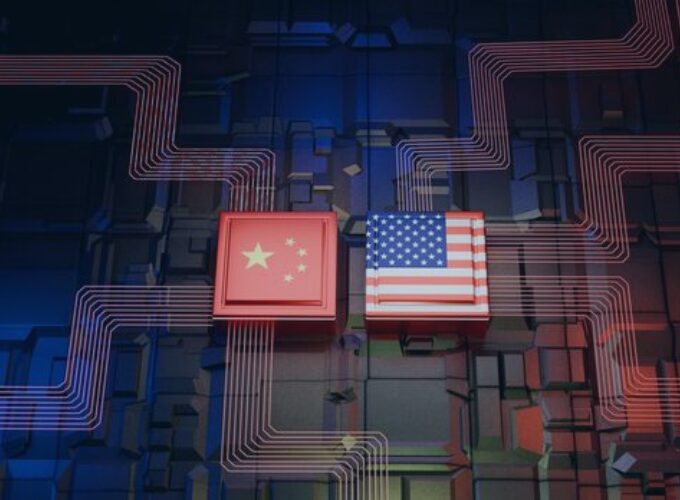


The United States has removed export licence requirements for semiconductor design software sales to China, following the finalisation of a new trade agreement aimed at easing tensions between the two countries.
The US Commerce Department notified three major software providers—Synopsys, Cadence Design Systems, and Germany’s Siemens—that they no longer need approval to sell their electronic design automation (EDA) software in China. The move also covers exports of ethane and jet engines, in exchange for Beijing’s commitment to accelerate approvals for critical mineral exports.
The agreement represents a partial thaw in trade relations that have been marked by tariffs and export controls since President Donald Trump’s return to office. However, the broader geopolitical rivalry remains in focus, as Washington continues to push allies in Asia and Europe to adopt stricter measures against what it views as China’s unfair trade practices.
One such measure includes Trump’s recent tariff agreement with Vietnam, targeting goods believed to be re-exported from China via minimal processing. Analysts at Bloomberg Economics have warned that such actions may prompt retaliatory measures from Beijing.
Despite these risks, signs of diplomatic optimism have emerged. Liu Jianchao, head of the Chinese Communist Party’s International Department, said this week that he was “optimistic” about future US-China relations, calling for a “friendly, good” relationship and warning that conflict between the two nations would be “unimaginable.” Nonetheless, he noted that Taiwan and the South China Sea remain sensitive flashpoints.
The easing of restrictions on EDA software marks a significant development for the global semiconductor industry, which has been heavily affected by escalating US-China tech tensions in recent years.
You Might Also Like
Latest Article
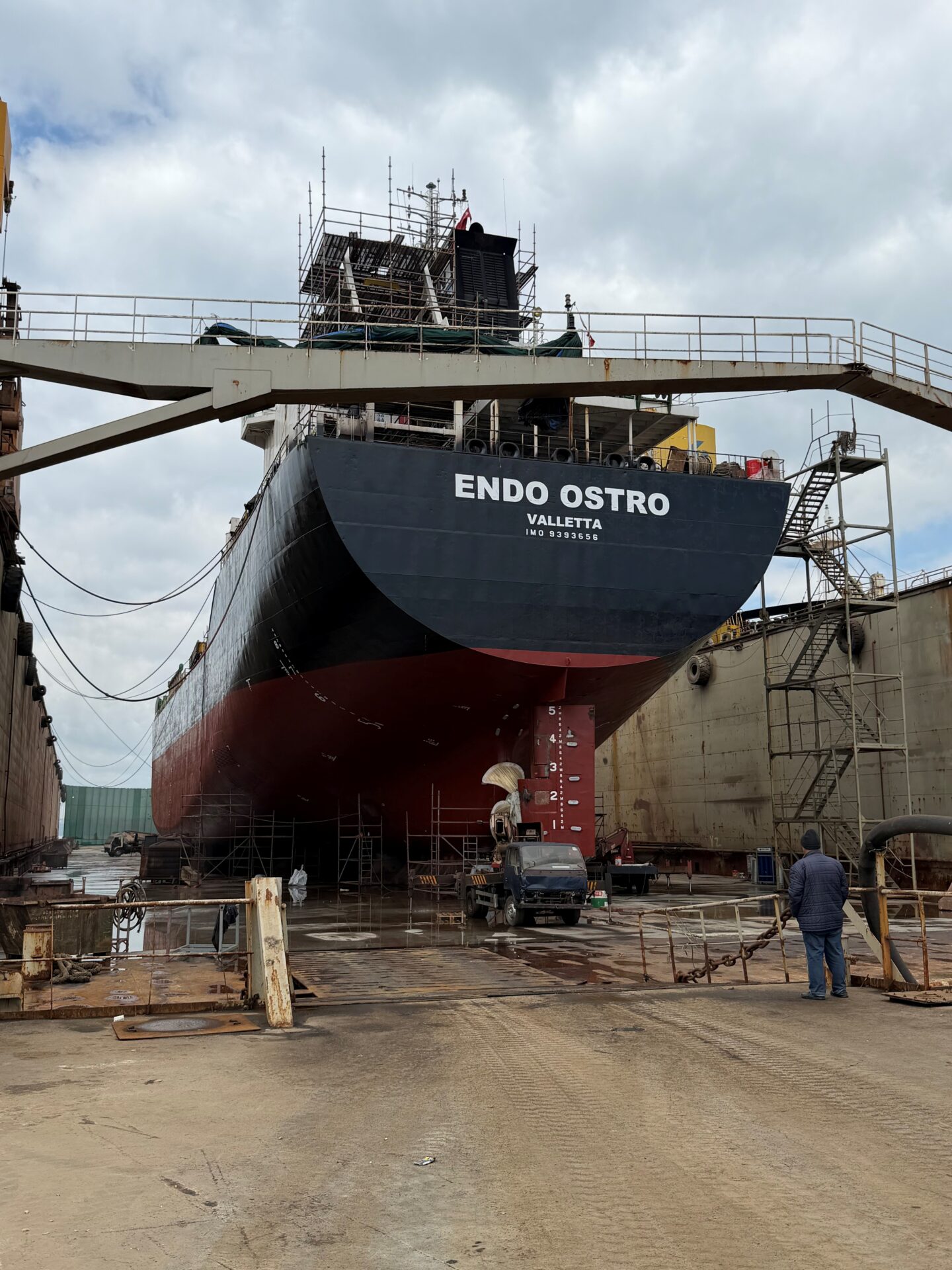
Endo Finance p.l.c. Launches €23 Million 5.75% Partially Secured Bond Issue
Malta-based Endo Finance p.l.c. (C 89481) has announced the launch of an issue of up to €23 million in 5.75% Bonds maturing in 2036, supporting the consolidation of the Endo Group’s financing structure and the continued development of its commercial vessel operations. The Bond Issue will be guaranteed by Endo Ventures Ltd and partially secured … Continued
|
24 July 2026
Written by Kim Vucinovic Cutajar

REVOLUT NAMED WORLD’S BEST DIGITAL BANK FOR 2026 AS REVENUE HITS £4.5 BILLION
|
24 July 2026
Written by Yannick Pace

GIANLUCA BORG NAMED CEO OF PG GROUP AFTER MORE THAN A DECADE IN SENIOR LEADERSHIP
|
23 July 2026
Written by Yannick Pace