

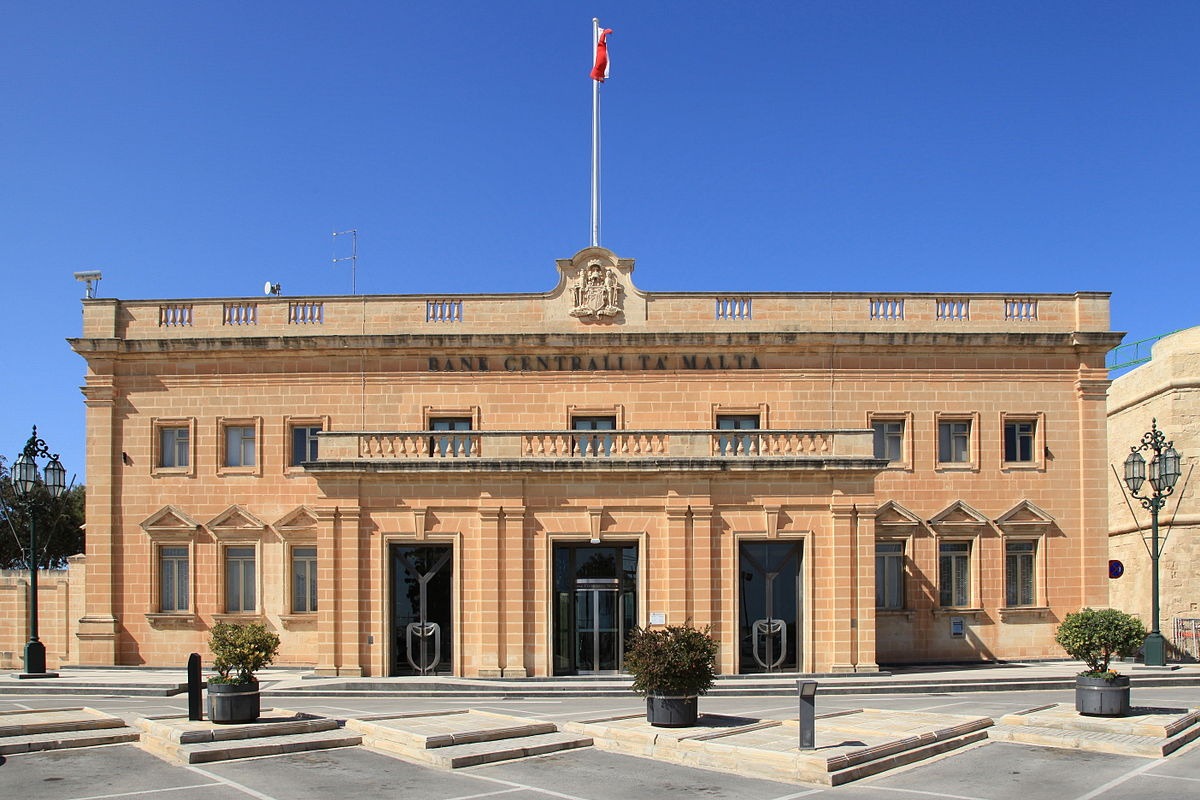


Malta’s unemployment rate has been stuck at 3.5% for five consecutive months, a full percentage point higher than a year ago and back at levels last seen in 2023, according to the Central Bank of Malta’s latest Economic Update.
The rate stood at 2.8% in May 2025 and bottomed out at 2.5% that July. It has climbed almost every month since, hitting 3.5% in January and staying there. Malta averaged 3.1% across 2025 and 3.2% in 2024.
The Jobsplus register tells the same story. There were 1,396 people registering for work in May, 346 more than a year earlier, a jump of a third in twelve months.
The odd part is that everything else in the labour market looks healthy. Hiring is up, terminations are down, and registered employment is still growing at over 4% a year. The numbers only add up one way: the labour force is growing faster than the jobs available to absorb it.
Meanwhile, Consumers Have Never Felt Better
Consumer confidence jumped to around its historic high in June, the first full month after the general election, with every component of the index improving.
The public also expects unemployment to fall, with expectations dropping below their historic average, despite the actual rate having risen for a year straight.
Inflation explains part of the mood. It fell to 2.0% in June, 0.8 points below the euro area average, with energy prices still frozen by government subsidies.
The Central Bank itself is less cheerful. Its Business Conditions Index slipped below its long-term average in June, dragged down by tax revenue.
The Manoel Island Bill Has Landed
In May, the Consolidated Fund swung from a €115.4 million surplus a year earlier to a €112.5 million deficit, a reversal of almost €228 million in a single month.
The Central Bank says the surge in capital spending mostly reflects payment for the termination of the Manoel Island and Fort Tigné concession. It is the first time the buyback of the MIDI concession, the land government has pledged to turn into a national park, shows up in the state’s monthly accounts.
On the revenue side, companies paid significantly less income tax than in May last year. The Bank puts this down to timing, noting that corporate tax inflows are volatile and depend partly on refunds claimed back on initial assessments.
For the year to May, the deficit stands at €178 million, up from €146.1 million over the same period in 2025.
Malta therefore enters the second half of 2026 with consumers at peak optimism, unemployment at a three-year high, the Manoel Island bill on the books and corporate tax receipts down on “timing”. At least one of those stories will have to give.
Do you feel better off than you did a year ago?
You Might Also Like

BNF BANK CHAIRMAN MICHAEL FRENDO RETIRES AFTER 13 YEARS AS BANK ALSO APPROVES €1.3 MILLION DIVIDEND
|
31 July 2026
Written by Yannick Pace

ENEMALTA REDUCES MEDIUM-VOLTAGE NETWORK DOWNTIME BY 76% COMPARED TO 2023 THROUGH €141 MILLION INVESTMENT PROGRAMME
|
31 July 2026
Written by Kim Vucinovic Cutajar