

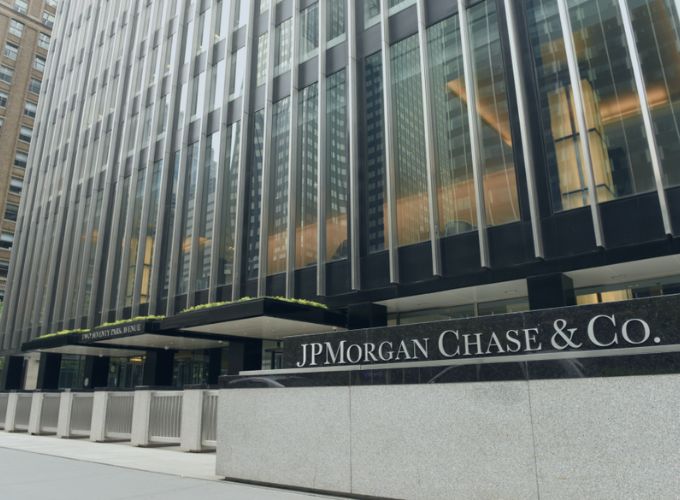


JPMorgan Chase has withdrawn almost $350 billion in cash from its account at the Federal Reserve since 2023, redirecting much of it into US government bonds as it prepares for an era of falling interest rates that could pressure bank profits.
According to banking data compiled by BankRegData and reported by the Financial Times, the US’s largest bank reduced its cash balance held at the Federal Reserve from $409 billion at the end of 2023 to just $63 billion by the third quarter of this year. Over the same period, JPMorgan increased its holdings of US Treasuries from $231 billion to approximately $450 billion.
The move reflects a strategic effort by the bank to lock in higher yields before the Federal Reserve continues cutting interest rates. After rapidly raising rates in 2022 and early 2023 to combat inflation, the Fed began easing monetary policy in late 2024 and has signalled further reductions ahead. Earlier this month, rates were cut to their lowest level in three years.
By shifting cash into Treasuries, JPMorgan is seeking to protect earnings that had benefited significantly from the high-rate environment. During the tightening cycle, banks earned interest on reserves parked at the Fed while paying relatively low rates to depositors. As rates fall, that advantage narrows.
“It’s clear JPMorgan is migrating money at the Fed to Treasuries,” BankRegData founder Bill Moreland told the Financial Times, noting that the bank is effectively front-running anticipated rate cuts. JPMorgan declined to comment on the strategy and does not publicly disclose the duration of its Treasury holdings or the extent to which it uses derivatives to hedge interest-rate risk.
JPMorgan’s cautious approach contrasts with some rivals. During the low-rate period of 2020 and 2021, the bank avoided heavy investments in long-term debt, unlike competitors such as Bank of America, which later faced large paper losses when rates rose sharply. That restraint left JPMorgan well positioned to benefit when rates surged, as its large and stable deposit base generated strong returns at the Fed.
The scale of JPMorgan’s cash withdrawals has been significant enough to offset movements by the rest of the US banking sector combined. Since the end of 2023, total bank deposits held at the Fed have fallen from about $1.9 trillion to roughly $1.6 trillion, with JPMorgan accounting for a substantial portion of that decline.
The issue has also reignited political debate over the Federal Reserve’s practice of paying interest on bank reserves, a policy in place since 2008. In 2024 alone, the Fed paid out $186.5 billion in interest to banks. Senator Rand Paul and other Republican lawmakers have criticised the system, arguing that it rewards banks for keeping money idle. A Senate proposal to ban such payments was voted down in October.
You Might Also Like

Latest Article
€640 Million In Household Income Left Malta In 2024, The Largest EU Share By GDP
Malta exported more household income in 2024 than ever before. According to the latest Eurostat data on personal transfers, a net €640 million left Malta last year, a figure that has increased six-fold in just two years and now represents the largest remittance outflow in the European Union when measured as a share of GDP. … Continued
|
17 December 2025
Written by MeetInc.

Malta’s Renewable Energy Share Climbs To 17.2%, Eurostat Figures Show
|
17 December 2025
Written by MeetInc.
JPMorgan Shifts $350 Billion From Federal Reserve Into US Treasuries Ahead Of Rate Cuts
|
17 December 2025
Written by MeetInc.