


WasteServ has concluded the procurement process for a new €75 million organic waste processing and renewable energy generation plant, marking a major milestone in the implementation of Malta’s long-term waste management strategy.
The award follows a procurement process launched in March 2025 and comes just days after record levels of renewable energy generation from organic waste were announced. The project represents a significant expansion of Malta’s waste infrastructure as organic waste volumes continue to rise.
According to WasteServ, organic waste collection reached a record 30 million kilogrammes in 2025, reflecting growing participation by households and businesses in waste separation initiatives introduced over recent years. The new facility is designed to respond to this upward trend and provide the capacity needed to process increasing volumes efficiently.
Once operational — expected within the next two years — the plant will be capable of processing around 74,000 tonnes of organic waste annually. This material will be converted into renewable energy in the form of electricity, as well as high-quality compost, reinforcing Malta’s shift towards a more circular economic model.
Richard Bilocca, Chief Executive Officer of WasteServ, said the investment reflects the company’s continued commitment to modernising the country’s waste management infrastructure and supporting national environmental targets. He noted that the project builds directly on the waste separation efforts made by the public and the business community in recent years.
WasteServ already operates an organic waste treatment facility that produces both renewable energy and compost. That plant currently generates enough electricity to power approximately 1,200 households for an entire year. The new facility is expected to significantly expand this capacity, increasing both energy generation and compost output.
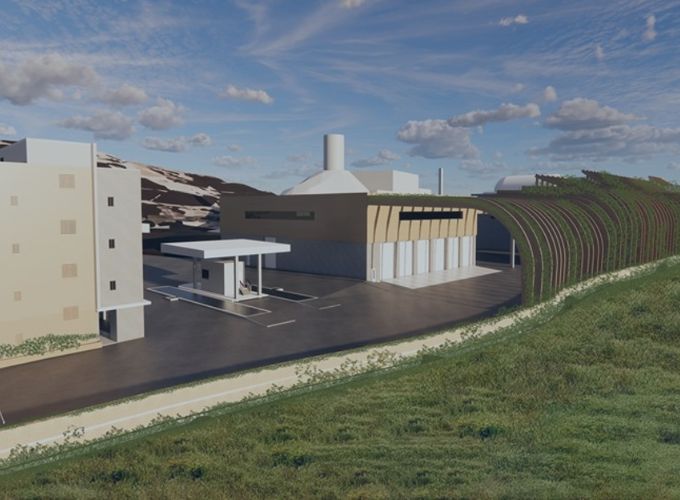
Beyond processing performance, the project has been designed with environmental integration in mind. Plans include architectural features aimed at ensuring the facility blends into its surrounding environment, alongside purpose-built administrative offices and a dedicated laboratory. These additions are intended to enhance operational oversight and ensure compliance with environmental and regulatory standards.
The project is being co-financed through the EU Cohesion Fund, which is expected to contribute approximately €45 million towards the overall investment. The funding underscores the project’s alignment with broader European objectives around sustainability, renewable energy and waste reduction.
With construction now moving closer, the new plant is set to play a central role in Malta’s efforts to improve waste management outcomes while expanding domestic renewable energy generation.
You Might Also Like
Latest Article
WasteServ Confirms €75m Investment In New Organic Waste Energy Plant
WasteServ has concluded the procurement process for a new €75 million organic waste processing and renewable energy generation plant, marking a major milestone in the implementation of Malta’s long-term waste management strategy. The award follows a procurement process launched in March 2025 and comes just days after record levels of renewable energy generation from organic … Continued
|
2 February 2026
Written by MeetInc.

Chiliz To Announce ‘Biggest Bet Since 2018’ As Part Of Its Vision 2030
|
2 February 2026
Written by MeetInc.

Dollar Rises And Gold Slides As Markets Signal Approval Of Next Fed Chair
|
2 February 2026
Written by MeetInc.