


The US dollar strengthened sharply while gold and silver prices slid after markets reacted positively to the nomination of a new chair for the Federal Reserve, signalling growing investor confidence in the future direction of US monetary policy.
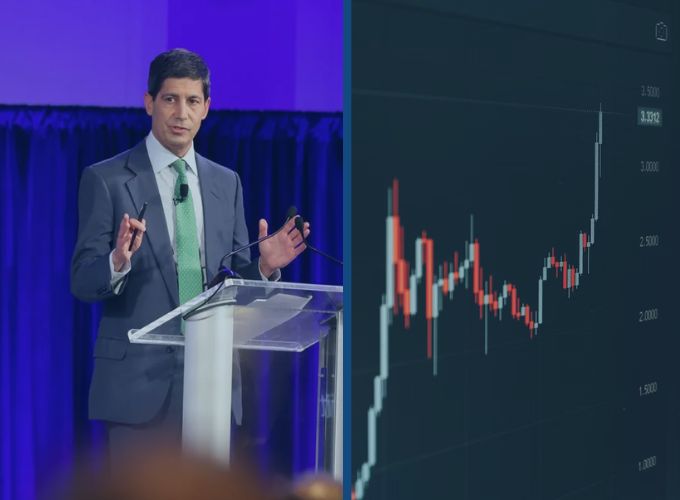
The move followed confirmation from Donald Trump that he intends to nominate former Federal Reserve governor Kevin Warsh to lead the central bank when Jerome Powell’s term ends later this year. Markets appeared reassured by the pick, viewing it as a signal of continuity and institutional experience at a time of heightened sensitivity around central bank independence.
Currency markets responded first. The dollar index rose as investors reduced bets against the US currency, a move often associated with expectations of more orthodox or disciplined monetary leadership. At the same time, traditional safe-haven assets came under heavy pressure.
Spot gold fell sharply, extending losses that began late last week, while silver recorded one of its steepest declines in decades. The sell-off suggested investors were rapidly unwinding defensive positions that had been built up amid political uncertainty and concerns about inflation, fiscal policy and global risk.
Warsh previously served on the Fed’s Board of Governors from 2006 to 2011, a period that included the global financial crisis. Since leaving the central bank, he has been a vocal critic of its expanded balance sheet and prolonged accommodative stance, while more recently aligning himself with calls for lower interest rates.
Despite that shift, markets generally view him as a more conventional and predictable figure than other potential candidates, reducing fears of direct political influence over interest-rate decisions. Importantly, monetary policy is set by the Federal Open Market Committee rather than the chair alone, limiting the scope for abrupt changes.
The ripple effects were felt across global markets. US equities ended last week lower, led by technology stocks, while cryptocurrencies also sold off sharply, with bitcoin falling below $80,000 for the first time in months. Asian markets opened the week under pressure, with sharp losses in South Korea triggering a temporary trading halt, while Hong Kong and Japan also declined.
Oil prices moved lower as well, though that decline was partly linked to easing geopolitical tensions following comments suggesting progress in diplomatic talks with Iran.