
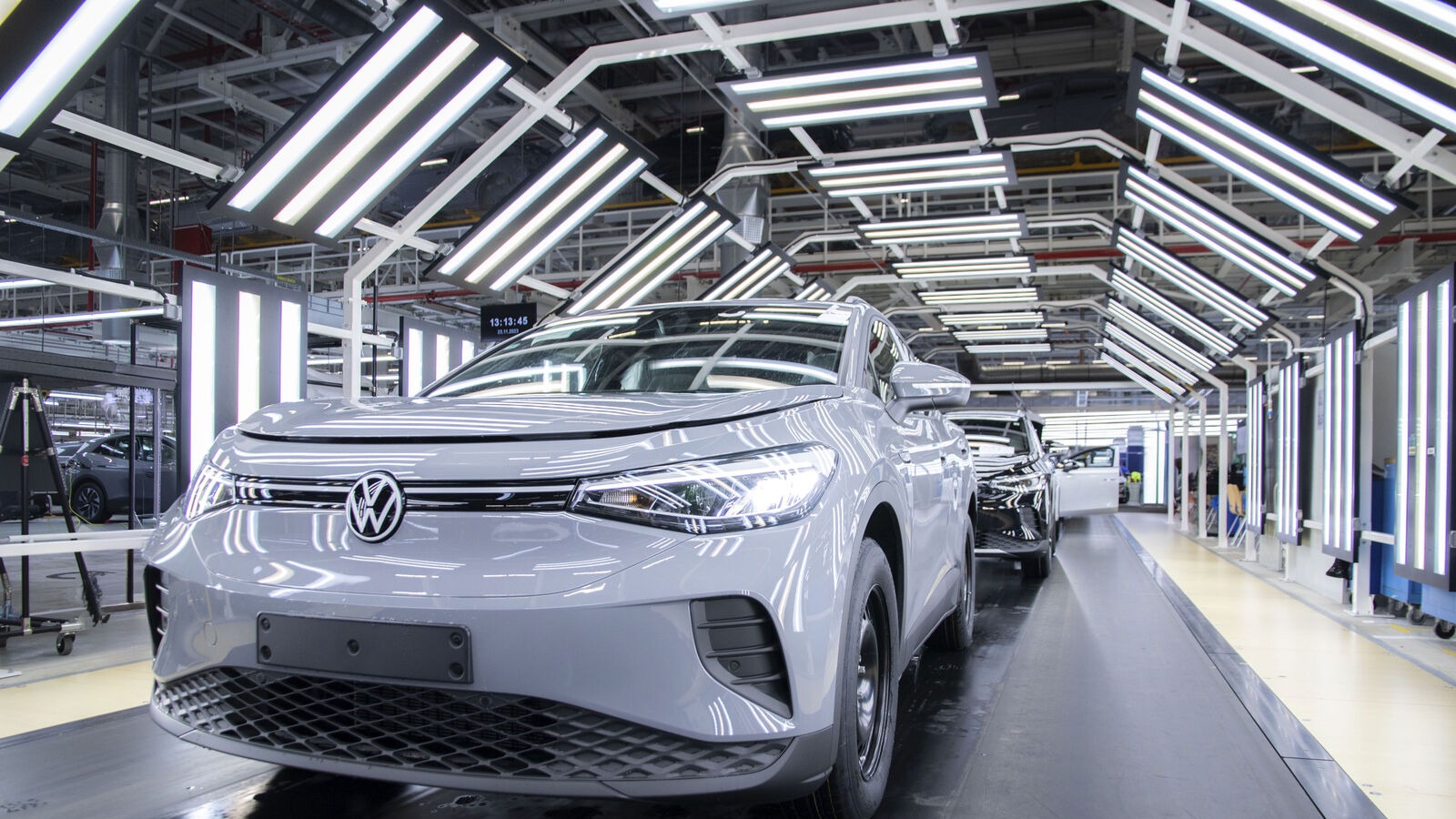


Volkswagen’s board has approved a plan to cut a further 50,000 jobs, bringing the total number of roles the German carmaker intends to shed by 2030 to 100,000. It is the most sweeping restructuring in the group’s nearly ninety-year history and it touches every layer of the business, from the factory floor to the management suite.
The first round of 50,000 reductions was announced in March. Thursday’s decision confirms an equivalent second wave, completing a transformation that VW’s chief executive Oliver Blume had flagged as a possibility as early as last July. Blume framed the move as an act of stewardship rather than retreat, stating in a company release that it represented a strong signal for the firm’s future and that leadership was taking responsibility for the entire workforce.
The group also confirmed it would halve the number of models it produces by 2035 and reduce the complexity of its overall offering by three-quarters. The logic is straightforward: fewer models, higher volumes of each one, lower costs per unit. VW will focus resources on what it described as its most compelling vehicles.
Four German plants sit at the centre of the wider restructuring conversation: Emden, Zwickau, Hanover and Neckarsulm. All four are reported to carry production capacity that outstrips current demand and VW says alternative uses for those facilities are under active assessment.
The pressures behind the overhaul are not new, but they have intensified. Sales in China, once one of VW’s most important markets, have fallen sharply. US import tariffs introduced under the Trump administration have added further strain. And Chinese rivals, BYD foremost among them, have expanded aggressively into European, British and South-East Asian markets, combining newer technology with substantially lower production costs.
Markets appeared to welcome the decisiveness. Shares climbed roughly seven per cent on the Frankfurt exchange on Friday morning, a signal that investors prefer a clear plan to continued uncertainty.
Christianne Benner, president of IG Metall and deputy chair of VW’s Supervisory Board, acknowledged the weight of the moment, noting that the carmaker had fought hard to reach workable solutions to what she described as a genuine crisis situation. As of 2025, the group, whose brands include Audi, Porsche, Skoda, Seat, Bentley and Lamborghini, employed more than 660,000 people worldwide. That number is now set to fall significantly.