


SpaceX delivered its first earnings report as a public company on Tuesday, facing an uncomfortable question from investors: how does a 1.4-trillion-dollar company justify its valuation when the stock has already shed more than 500 billion dollars in market capitalisation since its debut on 12th June?
The shares are trading more than 50 per cent below their intraday high and have notched four consecutive weeks of losses, making this one of the most striking post-IPO slides for a high-profile technology listing in recent years. The closest comparison cited by market watchers is Facebook’s troubled 2012 float, though the scale differs sharply. Facebook’s total market capitalisation after its first trading day was roughly 100 billion dollars, or about one-fifth the value SpaceX has erased since its initial peak.
As CNBC has reported, short sellers have moved aggressively into the stock. According to Matthew Unterman, head of research at S3 Partners, bearish positions had accumulated roughly 8.3 billion dollars in paper profits by the close of last week, with Unterman describing the build as among the most aggressive seen in a mega-cap name heading into a first post-IPO earnings report.
Not everyone is bearish. Ben Harwood, an analyst at New Street Research, noted in a client communication that the pullback looks like an attractive entry point for longer-term investors, pointing to what he described as enormous growth potential and one of the widest competitive moats in the market. New Street had initiated coverage just before the IPO with a 165-dollar target; the shares closed Friday at 108.37 dollars.
The financial fundamentals remain a stretch by conventional measures. SpaceX’s price-to-sales ratio on trailing revenues sits in the 70s, the business is burning billions of dollars each quarter and debt stands at nearly twice its cash holdings. Of all its operating segments, only Starlink, its satellite internet connectivity business, is currently profitable.
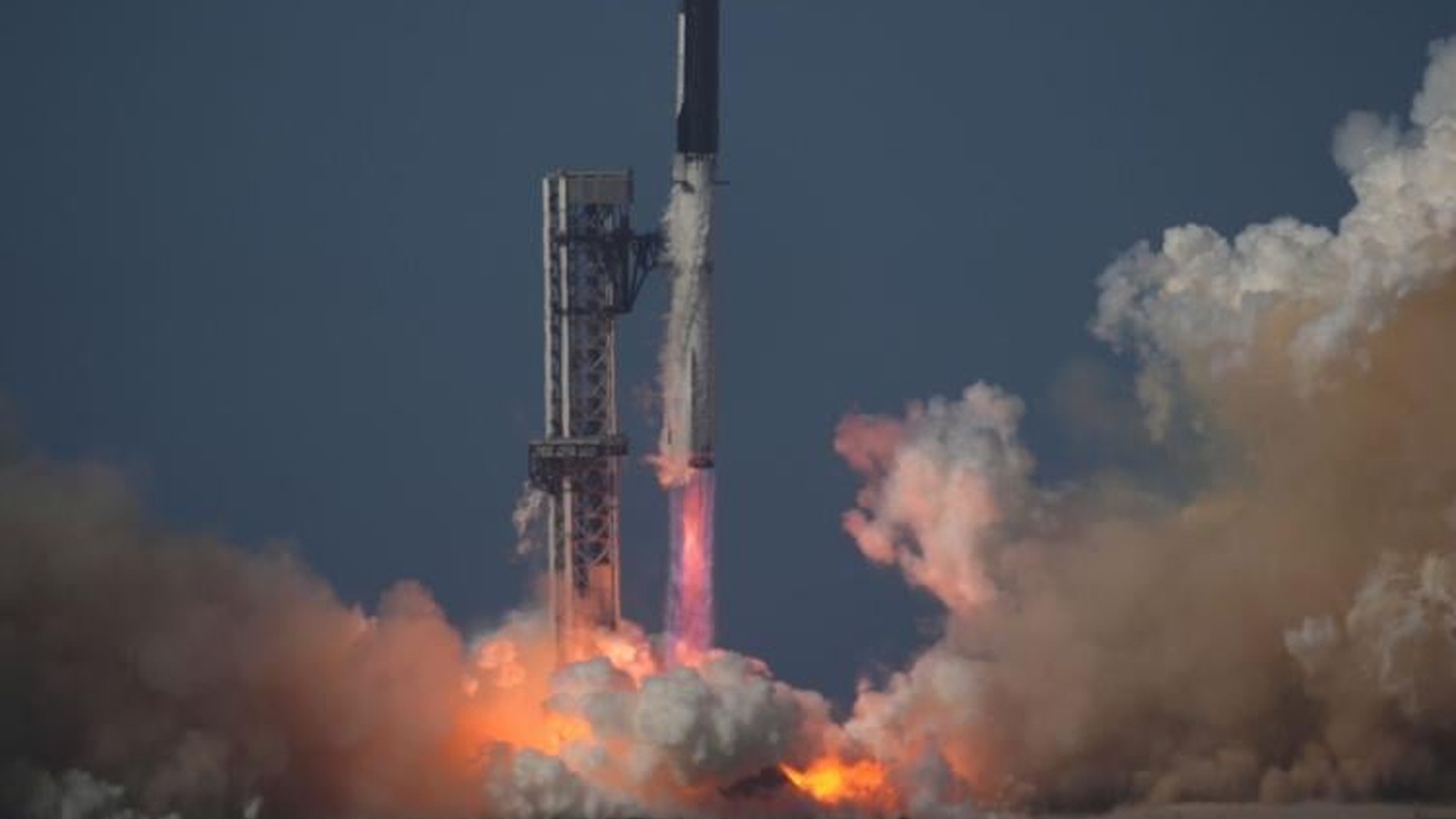
The bullish case rests heavily on Starship, SpaceX’s next-generation fully reusable rocket. The programme completed its 13th test flight on 24th July, though the Super Heavy booster experienced an imperfect landing after only a portion of its engines successfully ignited during the descent burn. Analysts at Bernstein, who carry a buy rating and a 239-dollar price target, have flagged Starship progress, semiconductor supply, regulatory approvals and compute capacity as the four key questions investors will want addressed.
On the artificial intelligence side, the February merger with Elon Musk’s x AI has drawn scrutiny, particularly as its Grok chatbot faces legal and regulatory challenges in Europe and the United States following controversy over deepfake content generated by its image tools. SpaceX has moved to offset those pressures by leasing excess data centre compute capacity, including a deal with Google worth 920 million dollars a month alongside agreements with Anthropic and Reflection AI. Analysts at Cantor, holding a 246-dollar price target, suggested ahead of Tuesday’s report that strong hosted-compute revenues could meaningfully ease investor anxiety.
Investors will also be watching for an update on SpaceX’s planned 60-billion-dollar acquisition of AI coding startup Cursor, which is expected to close in the third quarter pending regulatory clearance.