




A behavioural trend among South Korean Gen Z is drawing wider attention: fake e-commerce platforms, known as “dopamine sites”, that replicate the entire online shopping experience without charging users or delivering anything at all.
Visitors to these platforms can browse products, read reviews, add items to a cart and track a simulated courier completing a delivery – all at no cost. The sites mirror real retail apps closely, down to promotional banners and star ratings, creating a convincing replica of the purchase cycle with none of the financial outlay.
The psychological logic behind the format is fairly well established. Psychology professor Kim Heon-sik notes that anticipation – specifically the act of tracking a package – frequently triggers a stronger dopamine response than actually receiving the product. These platforms are built around that effect deliberately, packaging the ritual of shopping as an end in itself rather than a precursor to a transaction.
For young Koreans managing high living costs and persistent consumption pressure, the appeal is straightforward: the emotional satisfaction of shopping without the debt that typically follows. One observer captured the dynamic as “online shopping karaoke – all the performance, none of the consequences.”
The format is not without its sceptics. Critics question whether simulated shopping genuinely disrupts compulsive spending patterns or simply redirects them into a different channel. The transparency question is harder still: who operates these platforms and what they do with users’ session data – even fake shopping sessions – remains unknown.
Both concerns are legitimate, but neither has so far dampened the format’s momentum within its home market. The stronger open question may be whether dopamine sites can travel. South Korea’s particular combination of high consumption culture, tech-fluent youth and acute cost-of-living pressure created the conditions for the trend. Whether those conditions are sufficiently universal – or whether, as one reading suggests, the 2 a.m. impulse-buy urge is universal enough on its own – will likely determine whether the concept remains a Korean curiosity or finds an audience elsewhere.
You Might Also Like
Latest Article
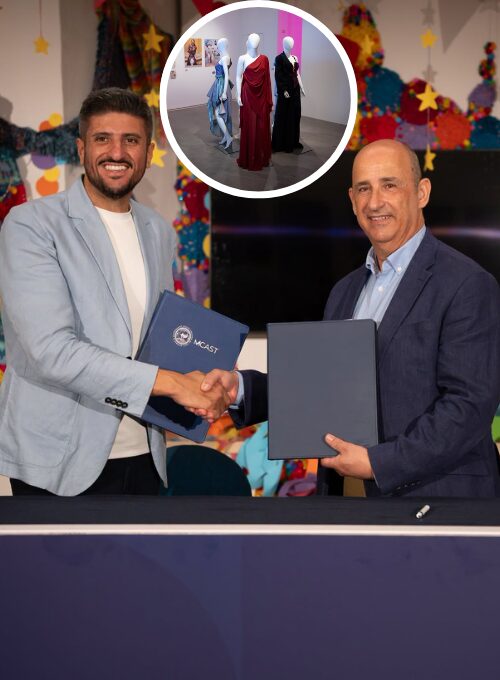
MALTA ARTS COUNCIL AND MCAST INSTITUTE FOR THE CREATIVE ARTS SIGN COLLABORATION AGREEMENT
The Malta Arts Council and the MCAST Institute for the Creative Arts (ICA) have signed a collaboration agreement aimed at strengthening the link between education and Malta’s cultural and creative sectors. The agreement, signed during the 10th edition of the MCAST ICA Festival, seeks to encourage greater participation in culture, support the professionalisation of the … Continued
|
30 July 2026
Written by Kim Vucinovic Cutajar
MEDIRECT POSTS €2.4 MILLION PROFIT IN FIRST HALF SINCE BANKA CREDITAS ACQUISITION
|
30 July 2026
Written by Yannick Pace

BANK OF VALLETTA POSTS €119.8 MILLION PROFIT BEFORE TAX IN FIRST HALF OF 2026
|
30 July 2026
Written by Yannick Pace



MALTA HOUSING AUTHORITY HELPED 339 FAMILIES BUY HOMES IN 2025
|
30 July 2026
Written by Yannick Pace