

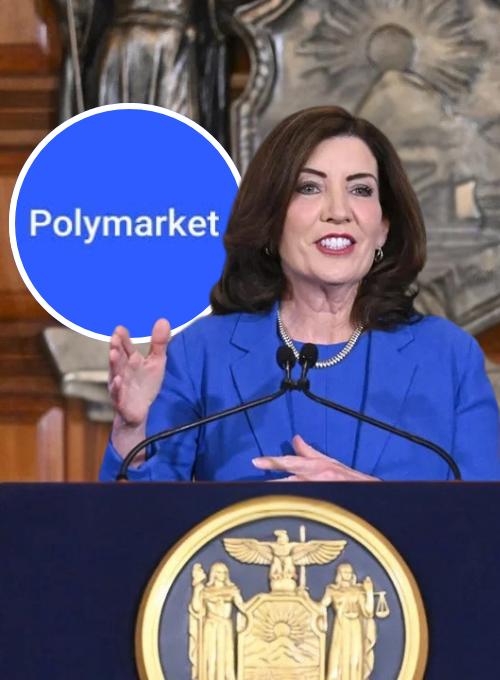
New York has sued Polymarket U.S. in state court, alleging that the prediction market platform operates an unlicensed gambling service in breach of state law. The case puts one of the best-known names in prediction markets squarely in the crosshairs of state regulators, at a moment when the sector’s legal status remains genuinely contested.
The state is seeking penalties of three times any profits Polymarket made, an additional $100,000 for each sports wager offered to New York residents and full disclosure of trades, user losses and company earnings. Those are significant numbers and the breadth of the disclosure demands suggests the attorney general’s office wants a clear picture of exactly how the platform has been operating.
According to a post on Instagram, Polymarket’s chief legal officer Neal Kumar indicated the company plans to fight the action on behalf of its users, characterising the lawsuit as a recycled effort by the attorney general’s office. The company’s broader legal argument is that its event contracts are swaps, regulated federally by the Commodity Futures Trading Commission and therefore outside the reach of any individual state authority.
Attorney General Letitia James framed the suit as a consumer protection matter, arguing that Polymarket targets vulnerable people while denying New York families access to critical services and support. The language is deliberately pointed, casting a tech platform that often attracts sophisticated traders in a rather different light.
The action arrives roughly two months after New York filed a comparable suit against Kalshi, Polymarket’s main rival in the prediction market space. That pattern is hard to ignore. The CFTC is also separately engaged in litigation with several states over precisely who holds regulatory authority over prediction markets, meaning this particular courtroom dispute sits inside a much larger jurisdictional argument that has yet to be resolved.
For Polymarket, the stakes extend well beyond New York. A finding against it in state court could embolden other jurisdictions to pursue similar claims, while a successful federal pre-emption argument would effectively shield the platform from state-level enforcement across the board. The outcome, whenever it arrives, will carry weight across the sector.
You Might Also Like

Latest Article
CODESPRINTMT 2026 CELEBRATES MALTA’S CODING TALENT AND COMMUNITY
The national coding competition concluded its eighth edition with a historic first, more than €10,000 in prizes and plans to bring its community together throughout the year. For the second year running, MeetInc is the official media partner of CodeSprintMT, as the 2026 edition brought Malta’s coding community together for its eighth edition, with students … Continued
|
28 September 2026
Written by Kim Vucinovic Cutajar

NVIDIA LAUNCHES OPEN SAFETY PLATFORM TO CONTAIN AI AGENTS WITHIN ASSIGNED BOUNDARIES
|
28 September 2026
Written by Yannick Pace

MALTA’S AGRICULTURAL OUTPUT REACHES €141.8 MILLION IN 2025 DESPITE MARGINAL DECLINE
|
28 September 2026
Written by Kim Vucinovic Cutajar


NEW WORK SUES POLYMARKET OVER UNLICENSED GAMBLING CLAIMS
|
28 September 2026
Written by Yannick Pace