


Nasdaq chief executive Adena Friedman has said that blockchain tokenisation could release tens of billions of dollars currently locked up as collateral across global financial markets, while opening a path toward round-the-clock trading for institutional investors.
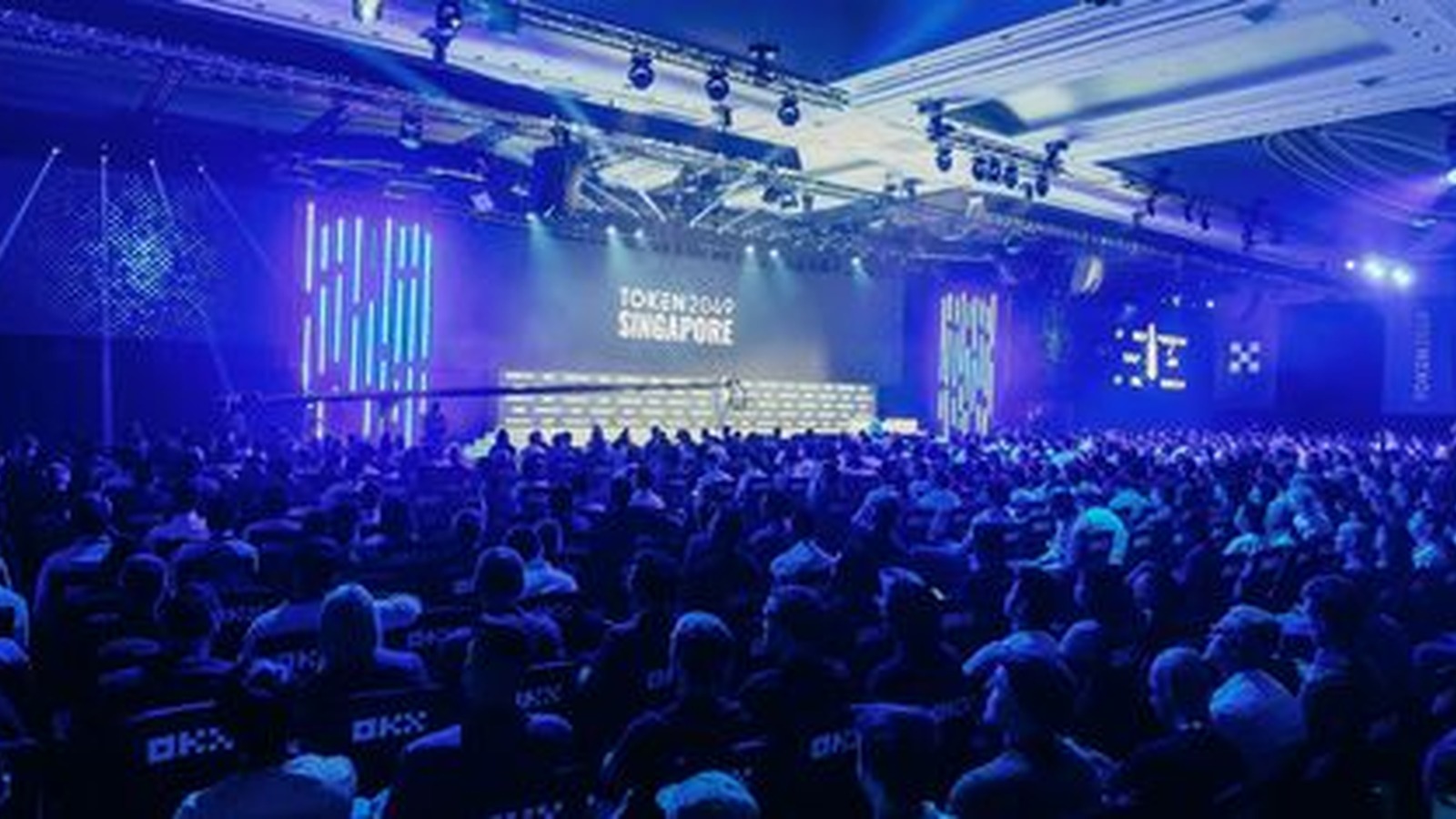
Friedman made the remarks at TOKEN2049 in Singapore, where she described how converting assets such as Treasury securities, equities and money market funds into digital tokens could make collateral significantly more fluid. She argued that tokenising both the underlying assets and the money used to settle transactions would improve the way banks and other financial institutions manage their collateral obligations. "If you tokenize all those instruments along with the flow of money, then the collateral becomes very fluid," she said.
The assessment reflects the logistical friction that currently exists in collateral management. Banks and trading firms routinely pledge Treasury securities, shares and money market instruments to support trades, loans and other financial obligations. Moving that collateral between counterparties typically involves separate custodians, clearing systems and settlement procedures. Friedman's position is that blockchain-based representations of those assets could streamline the process considerably, freeing up capital that would otherwise remain tied to existing arrangements.
Friedman noted that institutional interest in tokenisation had grown substantially over the preceding year. She linked part of that shift to the passage of the US GENIUS Act, which established a federal regulatory framework for payment stablecoins, and suggested that tokenised money could give institutions an additional mechanism for settling transactions involving tokenised securities.
Nasdaq has been moving in this direction with some concrete steps. In September, the company's investment arm agreed to put $100 million into Payward, the parent company of cryptocurrency exchange Kraken, as part of a partnership focused on tokenised equity infrastructure. The two companies plan to introduce Nasdaq Equity Tokens during the second quarter of 2027, connecting regulated stock markets with blockchain networks while aiming to preserve shareholder rights and market transparency.
The broader market for tokenised securities is also developing elsewhere. Securitize announced on 8 October the launch of blockchain-based representations of 12 US stocks, including Apple, Microsoft, Nvidia, Tesla and Amazon, through its regulated brokerage platform, initially on the Solana network. The products are available to eligible investors in the US, the European Union and other permitted markets.
On the question of continuous trading, Friedman was measured. She acknowledged that retail investors had been seeking access to markets outside traditional hours for years, describing them as roughly a decade ahead of institutions in their expectations. Keeping an exchange's matching engine running, she noted, is only part of the challenge. Banks and brokers must also monitor positions, calculate risk exposure and manage collateral in real time, functions that have historically been performed during market closures. She identified artificial intelligence as important to building those capabilities and pointed to Nasdaq's existing digital agents within its risk management platform as an early step in that direction. She also cautioned that not every asset carries sufficient liquidity to support a fully continuous market environment.