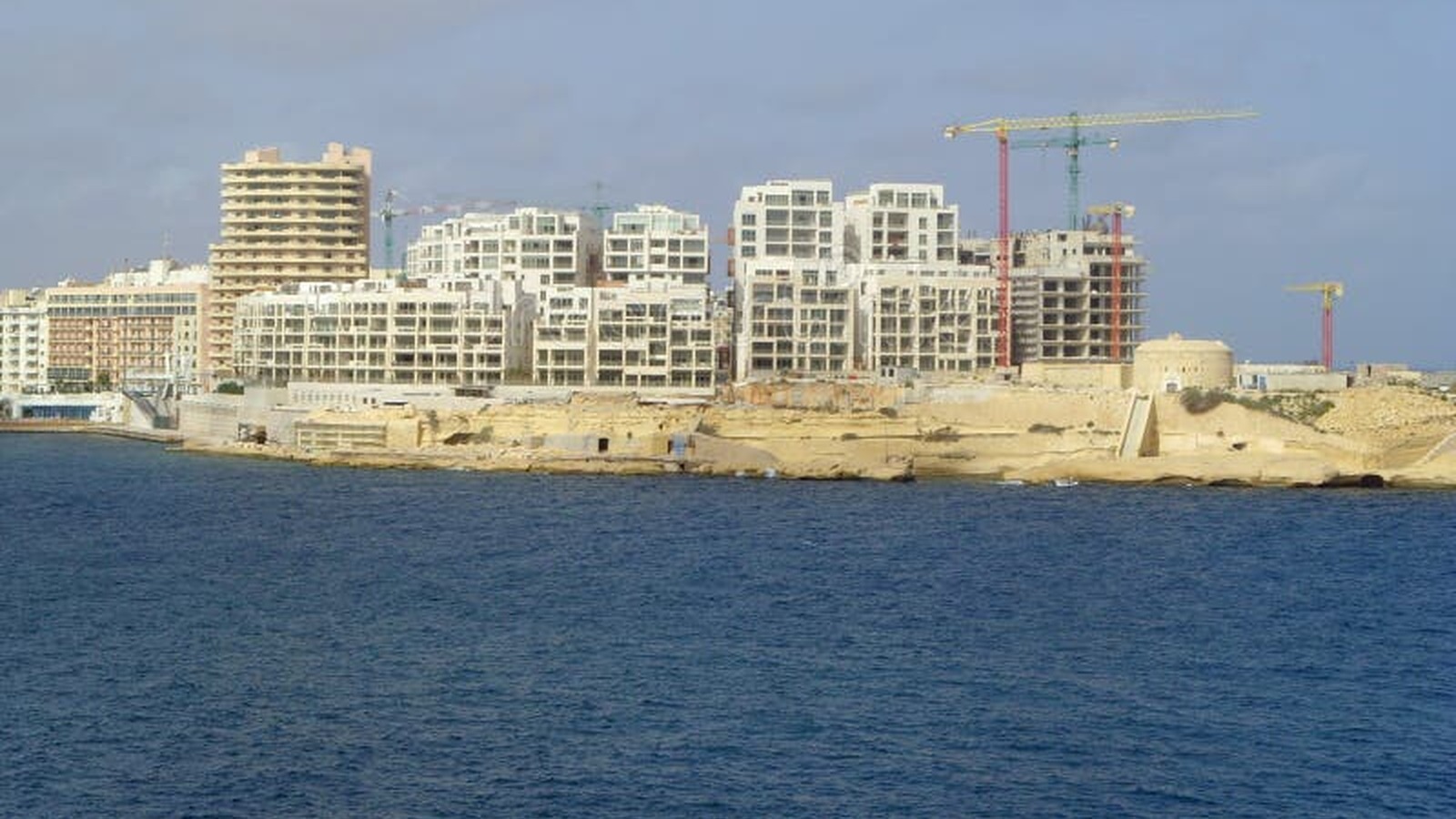


Malta’s planning appeals tribunal has cut the time it takes to rule on a case by more than half in five years, but it is still nowhere near the 30-day first hearing the government wants to write into law. That is the finding from Pedament, which read through every one of the 9,343 planning appeals logged on the Environment and Planning Review Tribunal’s register since 2000.
The reform behind the comparison was launched on 21st July 2026, with consultation running to 18th August. It would make an appeal freeze a permit by default, halting construction, demolition, excavation or any change of use until the tribunal or the Court of Appeal after it, has ruled. The tribunal would have to open a first sitting within 30 days and decide within six months. The Court of Appeal would get four months, stretchable once by up to two more. As the law stands, lodging an appeal does not stop a permit on its own, although the tribunal can suspend one if asked. The bill had its first reading on 27th July and both main parties pledged the freeze during the May election.
On speed, the tribunal is partway there. A case decided in 2025 took a median of 7.8 months counted from its first hearing, against 18.2 months back in 2020. The clearer measure follows appeals from that first sitting: 72% of those first heard in the second half of 2025 were resolved inside six months, up from 8 per cent of those heard in early 2019. The figure sat flat for five years before climbing sharply from late 2024.
The first hearing is where ambition and reality part ways. Appeals filed since 2022 waited a median 47 days before their opening sitting, and only 17% got one inside 30 days. That wait has not budged.
The backlog, by contrast, has collapsed. At the close of 2020, 914 appeals were still awaiting a verdict. By the end of 2025 that had fallen to 328. Across 2021 to 2025 the tribunal cleared more cases each year than came in.
On outcomes, the public now wins almost as often as it loses. Between 2021 and 2025, third-party appeals succeeded in full or in part 238 times and failed 254 times, while developers and owners contesting a refusal lost three for every two they won. The public’s success rate climbed from 13% in 2014 to 44% in 2025, though most of those wins are now partial: 45 of 56 successful third-party appeals in 2025 were partial, against two of five in 2014.
Sliema drew the heaviest objection, with 70 third-party appeals from 2020 to 2025, more than double the 32 each recorded in St Julian’s and St Paul’s Bay. In 2025, 413 appeals were lodged, 257 against refusals and a record 138 by third parties. Fewer than two in every 100 permits granted that year attracted a third-party appeal.
You Might Also Like

Latest Article
9H LAUNCHES EXPERT-LED ADVISORY SERVICE TO BRIDGE GAP BETWEEN STRATEGY AND EXECUTION
Malta-based technology and creative group 9H has launched 9H Expert-Led Advisory, a new operator-led service designed to help businesses address growth and transformation challenges by combining strategic advice with hands-on implementation. The service works directly with CEOs, boards and senior leadership teams, bringing together specialist teams with practical experience in developing and delivering technology-driven solutions. … Continued
|
23 October 2026
Written by Kim Vucinovic Cutajar
GOVERNMENTS PATCH PHP FLAWS AFFECTING 70% OF WEBSITES WORLDWIDE
|
23 October 2026
Written by Yannick Pace

BSS OPENS €930,000 EU CO-FUNDED OLIVE PROCESSING FACILITY IN RABAT
|
23 October 2026
Written by Yannick Pace

META PARTNERSHIP ADS GROW MORE THAN 97% YEAR ON YEAR IN Q3
|
22 October 2026
Written by Yannick Pace