


Maltese MEPs from both the Nationalist and Labour parties have tabled separate sets of amendments to the EU's Emissions Trading System, each pushing for island-specific exemptions that would ease transport costs for Malta.
Nationalist MEP Peter Agius filed 86 amendments proposing an "Islands Derogation": a temporary 50 per cent reduction in ETS charges on air and maritime transport to and from islands. Speaking at the European Parliament plenary in Strasbourg, Agius argued that the current framework takes no meaningful account of Malta's near-total dependence on sea and air connections, and the resulting pressure on the cost of living. He estimated the derogation could save Malta around 60 million euros annually. The proposal carries the co-signature of the European People's Party secretary general and the EPP coordinator on the Parliament's environment and health committee.
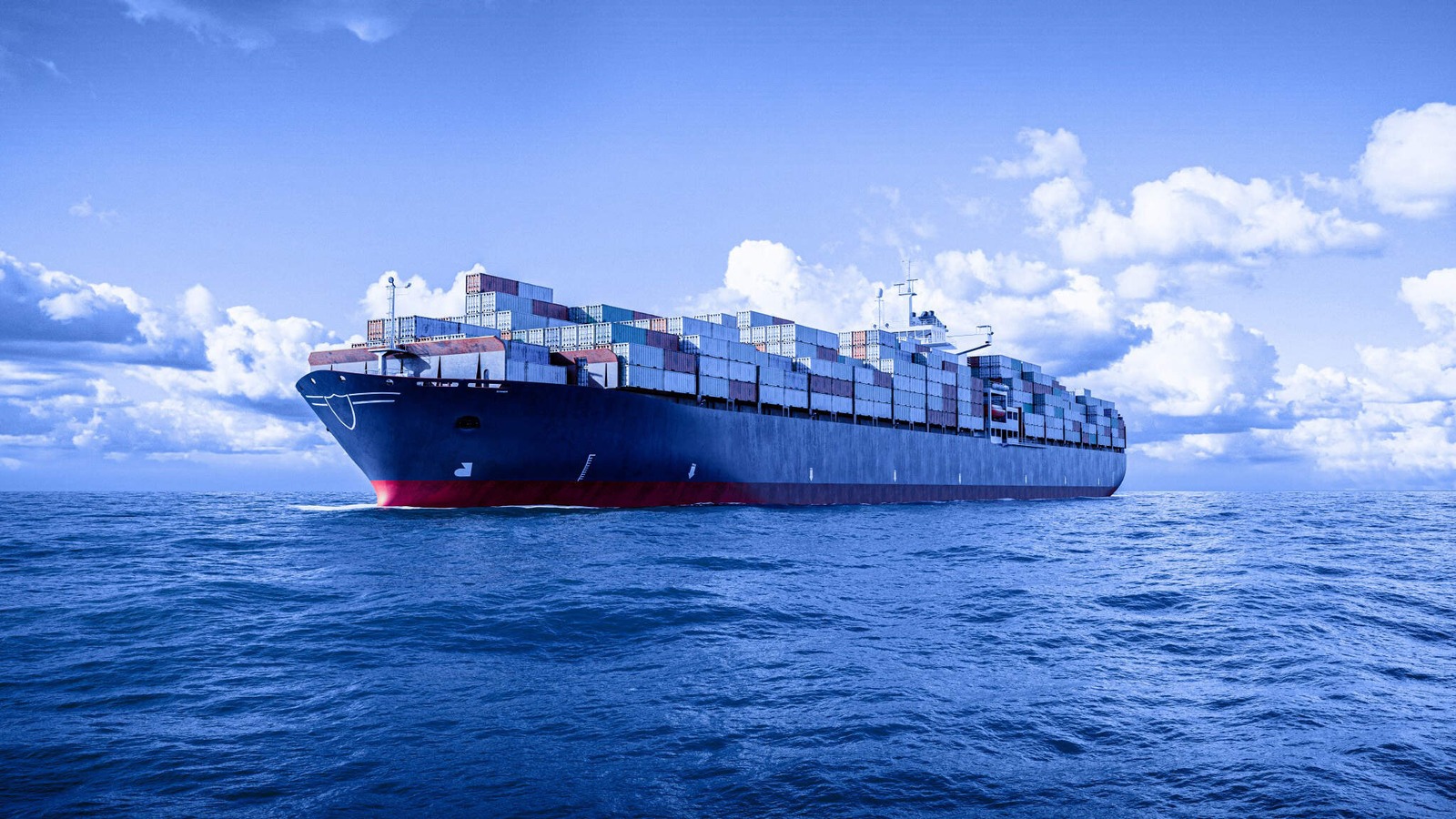
As reported by Times of Malta, freight data from industry body ATTO and the Malta Chamber suggests roughly 67,000 containers move by sea to and from Malta each year, with the ETS levy adding approximately 530 euros per trailer or container. The Central Bank of Malta has separately put the additional annual burden on Malta's aviation sector at 88 million euros. Agius's amendments would hold the 50 per cent relief in place until 2040, alongside measures to incentivise green maritime investment and tighten transparency over how ETS revenues are spent.
Labour MEPs Alex Agius Saliba, Daniel Attard and Thomas Bajada put forward a complementary but distinct package, covering maritime transport, aviation, energy production, waste management, and connectivity between Malta and Gozo. One notable proposal addresses the cargo imbalance on island routes: vessels frequently arrive full and depart largely empty, and the Labour MEPs proposed that ETS obligations on direct EU-to-island routes be calculated on actual cargo capacity used per voyage rather than theoretical maximums.
Their package also calls for at least 20 per cent of the maritime sector support mechanism's resources to be reserved for smaller operators, ferry services, and vessels serving island and peripheral routes. On aviation, they want sustainable fuel support extended to 2040 with substantially expanded quotas, and in some cases propose covering the full price gap between green and conventional fuels rather than the current proposed ceiling of 30 per cent.
The Labour amendments additionally seek access to European industrial decarbonisation funding for electricity generation facilities, targeted assistance for smaller projects under the Innovation Fund, and transitional provisions for new waste management infrastructure. Across both camps, the core argument is consistent: EU climate rules, as presently drafted, place a disproportionate burden on island economies and need adjusting before they bite.