

The European Union is preparing to impose a cap on Chinese hybrid electric car imports, with trade commissioner Maroš Šefčovič flying to Beijing this week for two days of talks aimed at securing voluntary limits before Brussels moves to enforce them through formal quotas or safeguards.
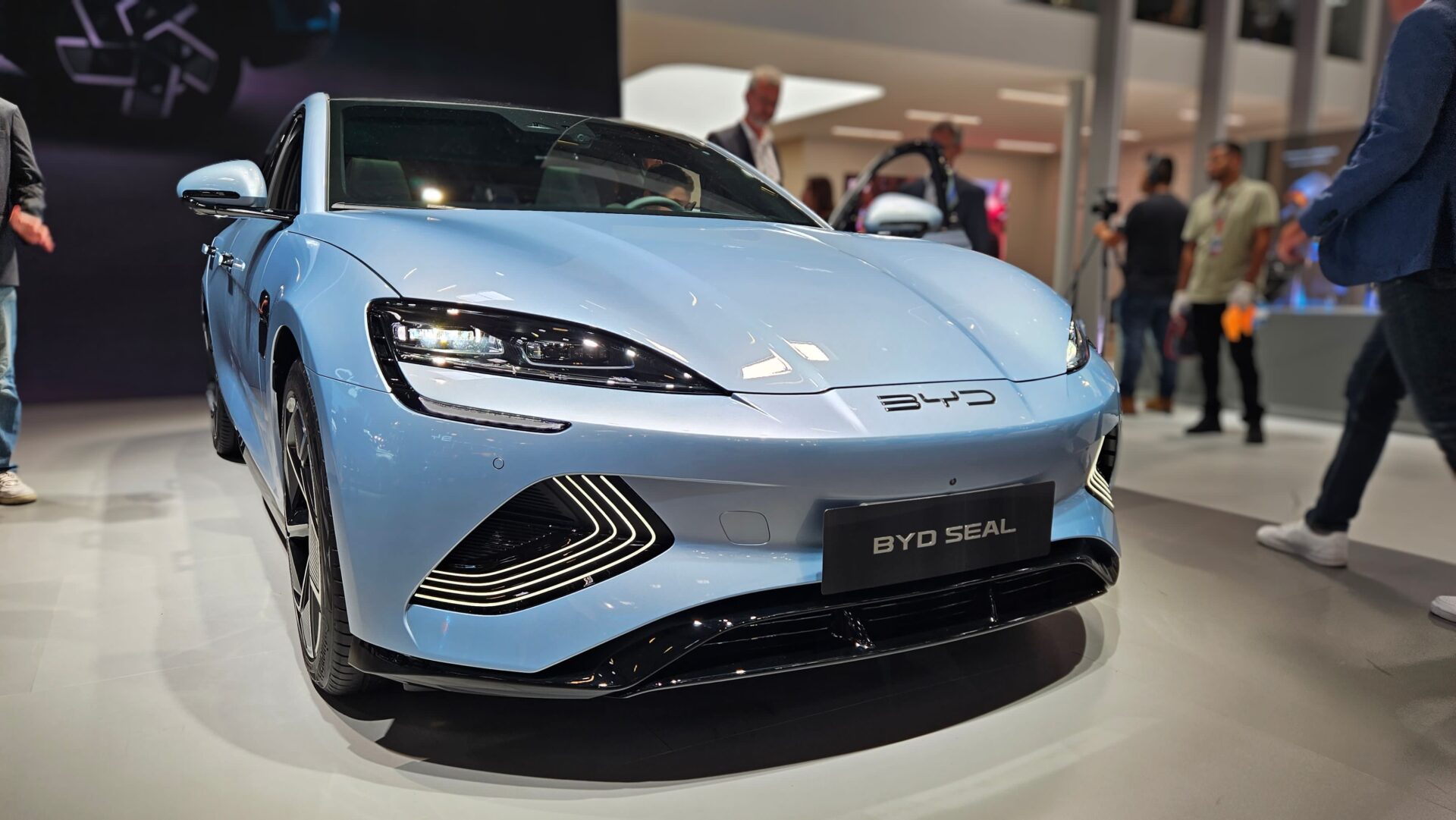
The push follows a familiar pattern: after the EU imposed tariffs on Chinese electric vehicles in October 2024, Chinese manufacturers rapidly pivoted to hybrids, which fell outside those measures and promptly flooded European markets. Last month, Brussels formally asked Beijing to voluntarily limit hybrid exports, warning that binding quotas could follow if it refused. Those warnings are now being backed with direct diplomatic pressure.
The immediate goal, according to sources close to the talks, is a "tangible, meaningful and measurable" pilot agreement in the automotive sector — a proof of concept that could be extended to other industries — before EU leaders convene in Brussels the following week, where China sits firmly on the agenda.
The talks arrive at a moment of genuine political shift inside the EU. Germany's Chancellor Friedrich Merz aligned himself this week with French President Emmanuel Macron in backing a new trade instrument that would allow Brussels to restrict single-market access at short notice when trading partners are seen to be undercutting fair competition. A joint paper from Paris and Berlin described what the two governments called "a massive industrial shock" hitting sectors central to the European industrial model, including pharmaceuticals, aerospace, automotive, machine tools, and chemicals.
The proposed instrument, informally referred to in Brussels as a "kill switch", stems partly from frustration that the EU's existing anti-coercion mechanism has never actually been deployed, despite repeated pressure, particularly from France, to use it. Germany's business newspaper Handelsblatt characterised the policy shift as nothing less than an economic turning point.
Whether it translates into concrete commitments from Beijing remains the core question. Andrew Small, Asia director at the European Council on Foreign Relations, cautioned that China's most effective play may be to keep talks moving just enough to delay meaningful EU action, without addressing the structural export advantages at the root of the dispute. Šefčovič's task this week is to demonstrate that Europe's patience with that approach has its limits.