

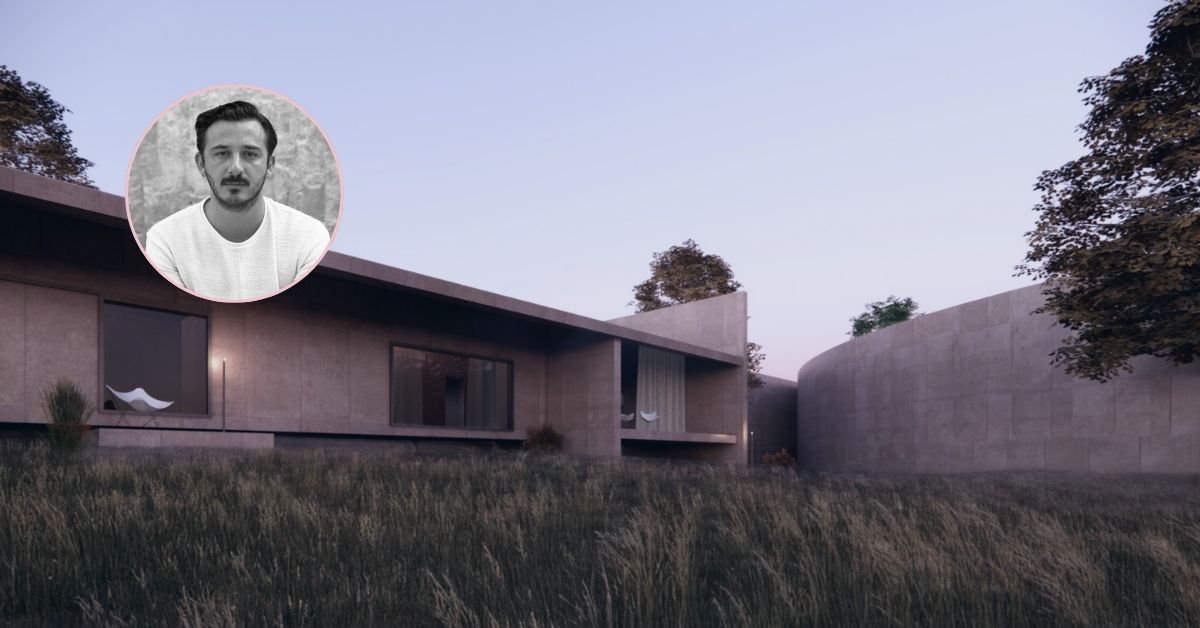


Malta is building at an unprecedented scale.
This is not an opinion but a measurable condition.
Permits multiply. Cranes rise. Land moves from field to plot, plot to asset, asset to built mass. The island is increasingly treated as a financial instrument, and architecture is expected to behave accordingly.
The result is very little deliberation. Planning minimums become design targets. Important questions have been displaced: What belongs here? What does this street need? What will remain when the building is complete?
This pattern is global, but Malta feels it more intensely. On a small island, density amplifies consequences. Much of what is built today reflects a sole fixation on square metres rather than lived experience.
I have often heard this being called efficiency. True efficiency, however, aligns climate, use, material and longevity. What we see around us is in fact momentum with zero strategy or vision.
Buildings are treated as products rather than frameworks for daily life. Yet space shapes behaviour whether we acknowledge it or not. Light determines how long spaces are used for. Width determines how people move through. Materials determine how long places remain relevant.
These are facts, routinely disregarded to facilitate short-term return. Living rooms, corridors, stairs and entrances comply, but they are rarely designed as places. The result is a built environment that works on paper and disappoints in daily use.
Beauty in the built world is difficult to define because it is experienced, not explained. It is felt when a place makes sense. People recognise it instinctively, even without vocabulary. Space works like music in this way. It affects you without permission.
Malta already knows this. Traditional village cores manage light, shade, and sociability with precision. Valletta controls mass and void with a discipline no single planning document could replicate. Even modest rural buildings show decisions shaped by climate and terrain rather than yield alone. These are not relics. They are lessons.
The buildings and spaces Malta continues to value over time share a common quality. They allow ideas, materials, and use to align. Time plays a role here. It does not slow good projects down. It reveals them. What survives that test is what we later recognise as quality.
Beauty operates within this alignment. It is not a matter of taste. It is spatial intelligence.
So where do we go from here?
Malta will continue to develop. The question is what kind of life that development will support. The system already contains the tools to raise standards, if it insists on contribution and value as clearly as it insists on compliance.
Large projects should be required to demonstrate not only how they comply with regulation, but how they contribute to the streets and places they join: how they handle light, how they shape arrival, how they organise daily movement. This would not delay projects. It would clarify them.
Planning policy can also realign incentives. If deeper setbacks, better public space, adaptive reuse, or improved daylight standards made projects more viable, the market would respond accordingly. Regulation has shaped quantity for decades. It is about time that it shapes quality too.
Design scrutiny must also move beyond paperwork and into expertise. Many cities operate independent design review panels that assess major projects not to frustrate development or reduce margins, but to raise the baseline of urban life. Such panels influence massing, street presence, materials, and public space in ways numerical rules cannot. Malta could adopt a similar mechanism, consistent, transparent, and rooted in local realities.
Delivery must carry equal weight. What is approved on paper must be realised on site. Post-completion inspections, enforceable defect liability, and fit-for-purpose certification would ensure that responsibility extends beyond approval. These measures are not radical. They simply insist on care at the moments where decisions have long-term consequences.
Progress announced through images and promises is easy. Progress measured through lived reality is harder. It is also the only kind that lasts.
What we build today becomes the context we will live within tomorrow. The island will not remember the arguments or the renders. Only the results.
The capacity to build with care already exists. It exists in architects engaged in serious thought. In planners who recognise the long view. In builders who understand the difference between speed and craft. The system applies pressure, but it does not remove choice.
Malta’s development is not inevitable in its quality. It is shaped by what we reward, what we permit, and what we refuse. Standards are not abstract ideals. They are decisions repeated until they become normal.
Ultimately, the future will not be decided by glossy visions. It will be defined by meaningful ideas and the standards we refuse to lower.
Before co-founding, EBEJER BONNICI, Anthony Bonnici studied Architecture at Kinston University and at the Academia di Archittetura di Mendrisio in Switzerland. His recent project “URNA” achieved a historic first for Malta, winning the London Design Biennale.