
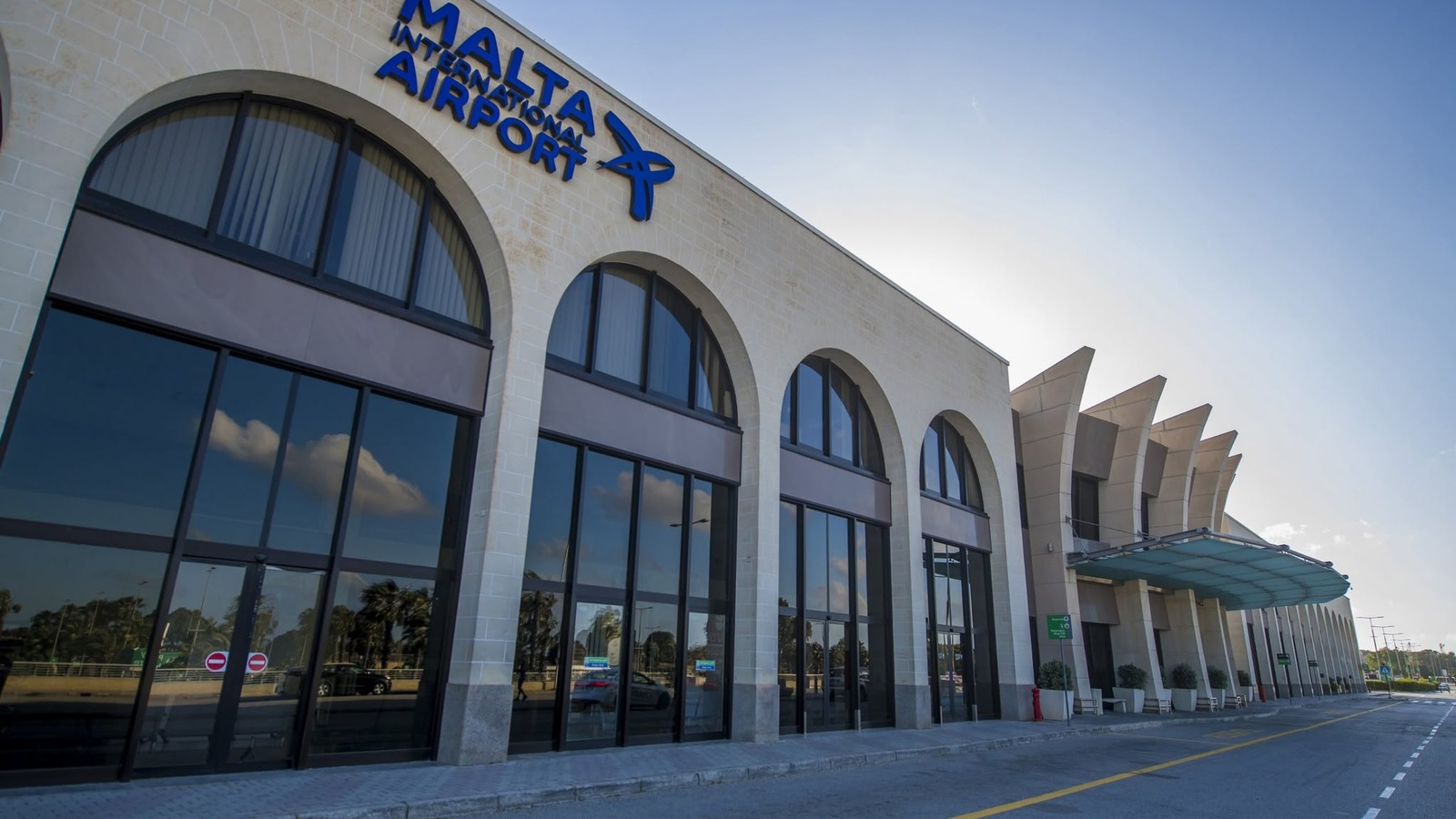


Malta International Airport recorded 1,109,789 passengers in September 2026, representing year-on-year growth of 12 per cent compared with the same month in 2025, according to traffic figures released by the company on 12 October.
The passenger increase was supported by a 12.6 per cent rise in aircraft movements and a 15.8 per cent expansion in seat capacity. The seat load factor for the month averaged 87.7 per cent, a marginal decrease of three percentage points on the prior year figure, suggesting that capacity growth is running slightly ahead of demand absorption.
The United Kingdom, Italy, Poland, Germany and France together accounted for 63 per cent of September's passenger traffic. The first four markets each recorded growth over the period, while France was the notable exception, posting a decline of 10.7 per cent in passenger numbers. The airport did not provide an explanation for the French market's underperformance in the announcement.
With the summer season drawing to a close, Malta International Airport has launched its winter flight schedule, offering connections to 31 markets. The transition from summer to winter programming typically brings a reduction in both frequency and destination breadth, though the disclosure of 31 markets signals a degree of year-round connectivity that management will likely regard as an indicator of the network's underlying resilience.
The September figures build on a broader growth trajectory for the airport. In 2025, Malta International Airport crossed the ten million passenger threshold for the first time, operating connections to 111 airports across 37 markets through 34 airline partners.
The company also has a multi-year capital investment programme under way, aimed at expanding infrastructure capacity, broadening its retail and property portfolio, and reducing its environmental footprint as traffic volumes continue to climb. On the environmental side, the airport recently advanced to Level 3+ neutrality under Airports Council International's Airport Carbon Accreditation programme. It also became the first airport in the European Union to obtain ISO 45003:2021 certification, recognising its efforts to support the psychosocial wellbeing of its workforce.