


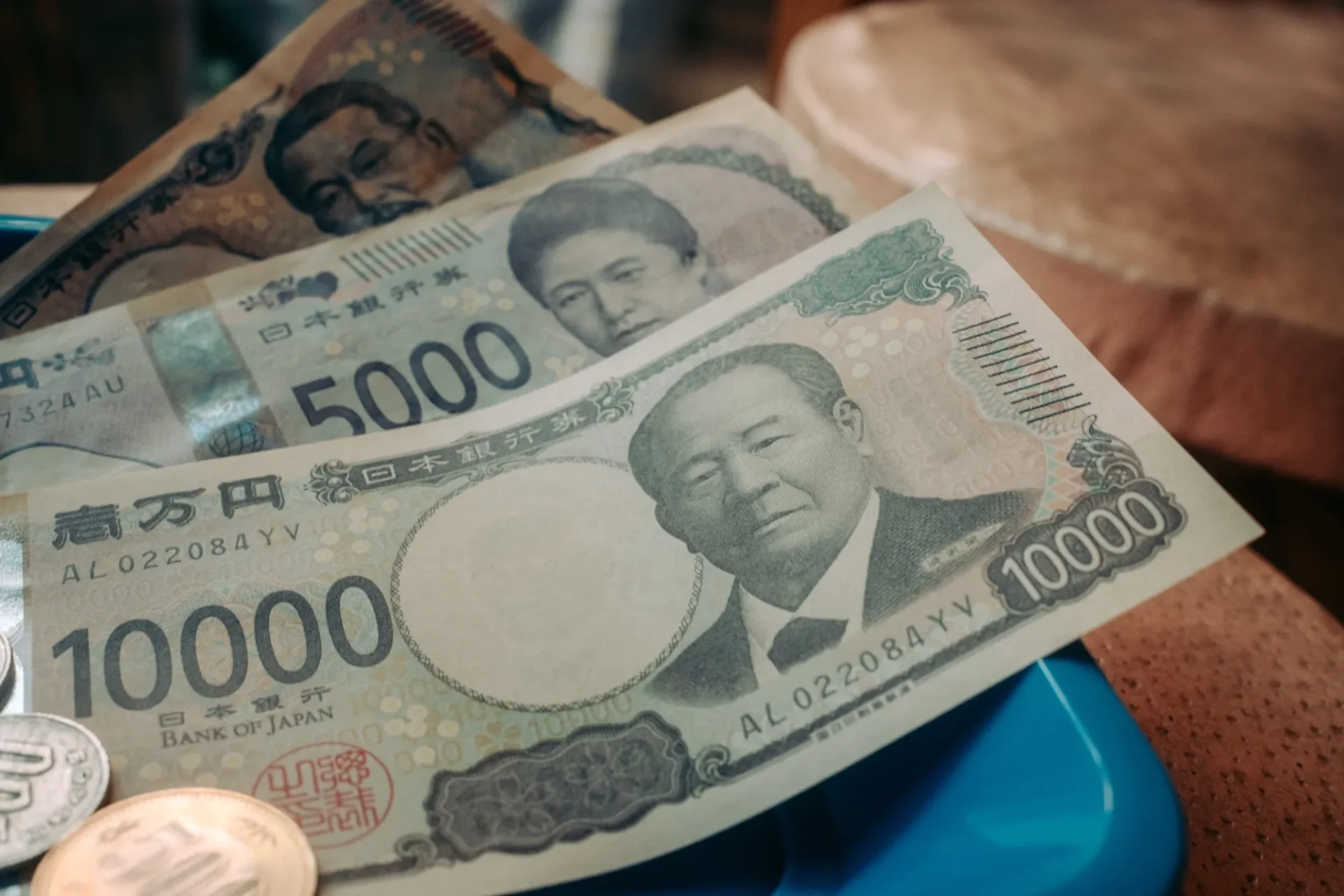
Japan and the United States have carried out a rare coordinated yen-buying intervention, Japan’s finance ministry confirmed on Monday, marking the first bilateral currency action of its kind since 2011 and signalling that both governments are prepared to act again if conditions demand it.
The yen had fallen to fresh 40-year lows before Friday’s joint operation with the US Treasury Department, which the ministry described as a response to ‘excessive volatility and disorderly movements’ in the currency over recent months. Tokyo confirmed it remains in close communication with Washington and will not hesitate to intervene again.
US Treasury Secretary Scott Bessent separately confirmed Washington’s participation, stating that the United States ‘strongly supports Japan’s decisive market and monetary steps to correct the substantial undervaluation of the yen’ and would not rule out joining further action. He also renewed calls for additional interest rate rises by the Bank of Japan.
President Donald Trump framed the move in notably informal terms on Sunday, describing it as the United States helping Japan ‘as a sign of friendship and to help the world economy.’ The remarks underscored the degree of political backing behind what would ordinarily be treated as a technical market operation.
Japan’s top currency diplomat, Atsushi Mimura, called the joint action ‘the culmination of Japan’s alliance with the United States’ and said currency policy would continue to align with the Bank of Japan’s monetary stance. The BOJ kept rates on hold last week but has signalled a possible hike as early as September.
The dollar fell 0.6 per cent against the yen following the confirmation, touching an intraday low of 156.50 during the Asian morning session.
Analysts note the intervention addresses immediate volatility but may struggle to shift the structural forces bearing down on the yen, including wide Japan-US interest rate differentials and rising fuel costs tied to Middle East tensions. Tokyo’s solo operations in April and May produced only a brief rebound and the BOJ’s June rate rise to a 31-year high of 1 per cent gave the currency little lasting support.
In a further sign of coordination, Bessent indicated the US would consider expanding the Federal Reserve’s repurchase facility, which allows Japan to raise dollar liquidity without selling US Treasuries outright. That would potentially reduce the funding burden of any future joint intervention, offering both sides a more sustainable toolkit should the yen come under pressure again.
You Might Also Like

Latest Article
SME CHAMBER INVITES BUSINESSES TO JOIN EU-FUNDED CIRCULAR ECONOMY PROJECT
The Malta Chamber of SMEs is inviting SMEs operating in the agri-food and textile sectors to express their interest in participating in the GO4CIRCULAR Project, an initiative funded through the Interreg VI-A Italy–Malta Programme. Participating businesses will receive free specialised training, technical support and tailored guidance to help accelerate their transition towards more sustainable and … Continued
|
3 August 2026
Written by Kim Vucinovic Cutajar
JAPAN AND US CONFIRM FIRST JOINT YEN INTERVENTION SINCE 2011
|
3 August 2026
Written by Yannick Pace

SAUDI ARABIA AND SIX OPEC+ MEMBERS RAISE OIL OUTPUT BY 188,000 BARRELS PER DAY FROM SEPTEMBER
|
3 August 2026
Written by Yannick Pace