
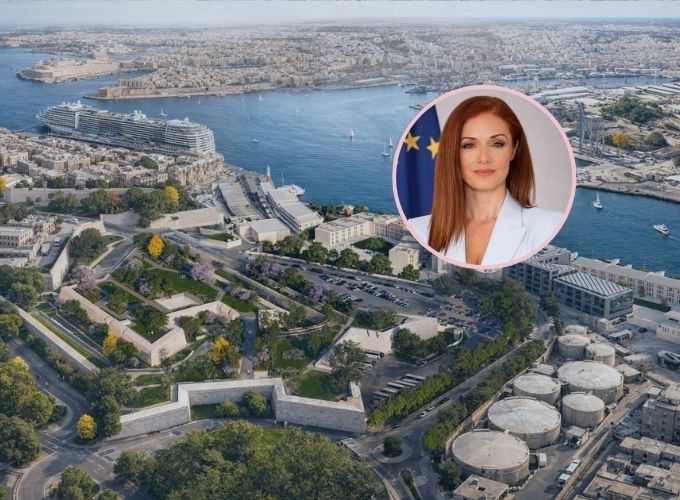


Large projects demand long horizons. Nowhere is that more true than about the Grand Harbour, a place that carries centuries of economic, cultural, and social influence. Decisions taken here are essentially decisions about Malta’s most important waterfront functions for decades to come.
That is the context in which, together with Prime Minister Robert Abela, we launched the Grand Harbour Revival Plan. What has been presented is a proposal in a structured process aimed at shaping the future of the harbour in a deliberate and transparent way, taking anboard feedback, and suggestions by the general public.
The focus is on the areas around Marsa and Floriana, building on the 2022 plans and on regeneration already delivered by the GHRC and other public entities in Valletta and the Three Cities. This revival plan does not treat the harbour as a blank canvas, as we are well aware that the Grand Harbour is a working environment, with layered heritage and established communities. Any serious plan must start from that reality.
Ideas for the Grand Harbour are not new. Over the years, different proposals and visions have been discussed. As Government we are putting forward early concepts and inviting feedback. The images and concepts released should be understood in that light. They are meant to show possible directions and not to prescribe outcomes. This is precisely why a public consultation has been launched — to allow people to engage while there is still room to adapt, refine and improve.
The aim is to revive the Grand Harbour waterfront as a mixed-use district of international quality, while respecting its maritime character. Priorities include better public access to the water, higher-quality economic activity, cultural and creative uses that fit the setting, housing designed at a scale appropriate to the area, and stronger physical and maritime connections between communities.
At a deeper level, this is about the kind of country we want to be comfortable planning for the long term. Too often, debate around major projects gets stuck between fear of change and pressure for speed.
Neither serves the public interest. The Grand Harbour deserves a more mature conversation — one that recognises that safeguarding heritage and enabling growth are not opposites, but responsibilities that must be balanced deliberately. Doing nothing is also a decision, and in places like Marsa, it is one that carries a cost for communities that have waited far too long to be fully included in national progress.
This is not being approached as a tourism-led project either. The underlying assumption is that places designed to work well for residents tend also to attract sustainable investment and higher-quality visitors. The emphasis is on long-term function rather than short-term impact.
Of course, before launching the public consultation, significant preparatory work took place. The Grand Harbour Regeneration Corporation (GHRC), together with Chapman Taylor, assessed constraints, infrastructure, heritage considerations and market conditions. This included engagement with operators and stakeholders active in the harbour. The consultation now allows that work to be tested more widely. The next step would be the Preliminary Market Consultation; a standard step in complex projects, allowing government to understand market capacity, delivery models and risk before procurement begins. It also helps ensure that public interest considerations are built into the project from the outset.
The plan is phased, reflecting the scale and complexity of the harbour. The initial focus is on the Marsa waterfront and the former power station site, where there is significant opportunity for regeneration. Later phases extend along the harbour and towards Floriana Bastion, with adaptive reuse of industrial heritage and improvements to public space and connectivity. While details will evolve, the overall direction remains consistent.
There is a clear policy choice underpinning this approach. The removal of the Marsa power station marked a shift away from accepting environmental harm as the cost of economic activity. Regeneration now tests whether growth can be delivered in a way that creates opportunity while respecting communities and place.
Malta is in a position to plan beyond immediate cycles. That brings both opportunity and responsibility. Large projects require discipline, sequencing and openness. They require Government to set the framework, guide the process and safeguard the public interest, while engaging with the private sector in a transparent way.
Residents, local councils, operators and investors are being asked to engage with the process. Views will differ, as they should. What matters is that the outcome is a Grand Harbour that functions better than it does today, and that reflects both Malta’s heritage and its future ambitions.
Miriam Dalli is Malta’s Minister for Environment, Energy and Enterprise
You Might Also Like
Latest Article
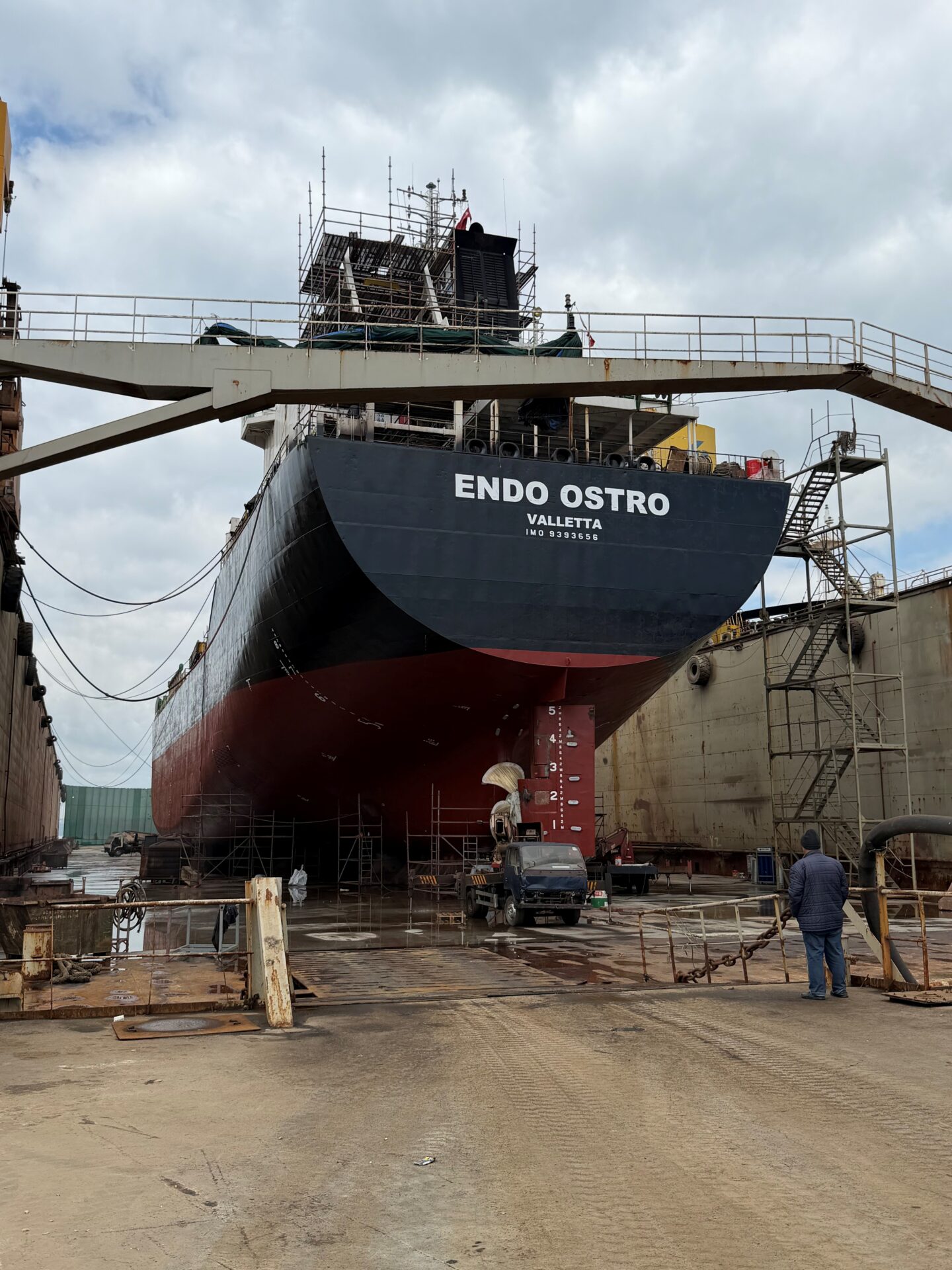
Endo Finance p.l.c. Launches €23 Million 5.75% Partially Secured Bond Issue
Malta-based Endo Finance p.l.c. (C 89481) has announced the launch of an issue of up to €23 million in 5.75% Bonds maturing in 2036, supporting the consolidation of the Endo Group’s financing structure and the continued development of its commercial vessel operations. The Bond Issue will be guaranteed by Endo Ventures Ltd and partially secured … Continued
|
24 July 2026
Written by Kim Vucinovic Cutajar
REVOLUT NAMED WORLD’S BEST DIGITAL BANK FOR 2026 AS REVENUE HITS £4.5 BILLION
|
24 July 2026
Written by Yannick Pace
GIANLUCA BORG NAMED CEO OF PG GROUP AFTER MORE THAN A DECADE IN SENIOR LEADERSHIP
|
23 July 2026
Written by Yannick Pace