
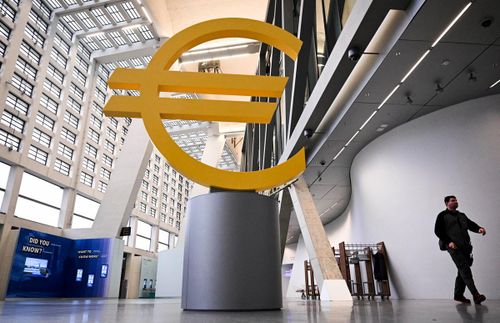


The European Parliament has given its backing to the development of a digital euro, paving the way for negotiations on creating a virtual version of the currency. The move aims to reduce the EU's reliance on US payment systems such as Visa and Mastercard, which lawmakers have described as an "addiction".
Lawmakers voted overwhelmingly in favour of establishing a digital euro, with many arguing that it would give Europeans more control over their financial transactions and promote greater economic sovereignty within the EU. The European Central Bank has been working on the project for years but first needs to agree on the legal framework underpinning the virtual currency before it can be made available.
The introduction of a digital euro is expected to take several years, with negotiators from the parliament and EU capitals aiming to reach a deal by 2026. If this timeline is met, the European Central Bank hopes that the digital euro will be available to citizens in 2029. A pilot programme is also planned for mid-2027 to test how the currency would work in practice.
EU lawmaker Fernando Navarrete Rojas has insisted that the digital euro is "an alternative, not a requirement", adding that concerns about it being used as a tool of control are unfounded. He stressed that there will be "the highest privacy standards" in place for users.
The development of a digital euro has been driven by a desire to reduce the EU's reliance on US payment systems, which many argue come with significant costs and risks for European consumers. The introduction of a digital euro is seen as a way to promote greater economic sovereignty within the EU and give Europeans more control over their financial transactions.
Negotiators from the parliament and EU capitals are set to meet this month to start talks on reaching a deal by 2026, with a pilot programme planned for mid-2027. The European Central Bank hopes that once agreed upon, the digital euro will be available to citizens in 2029.