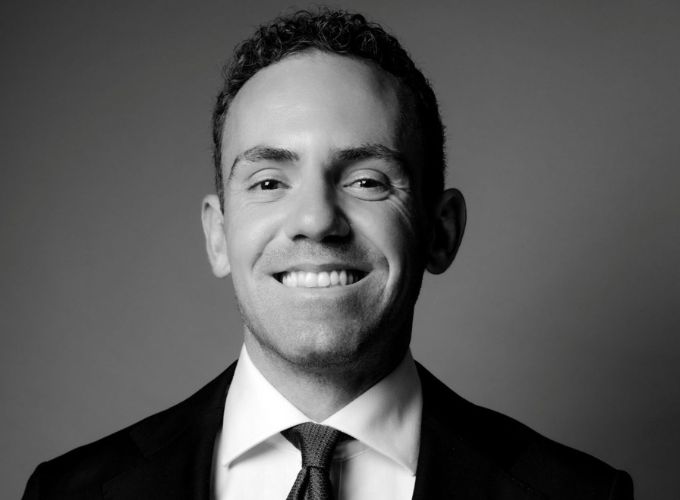

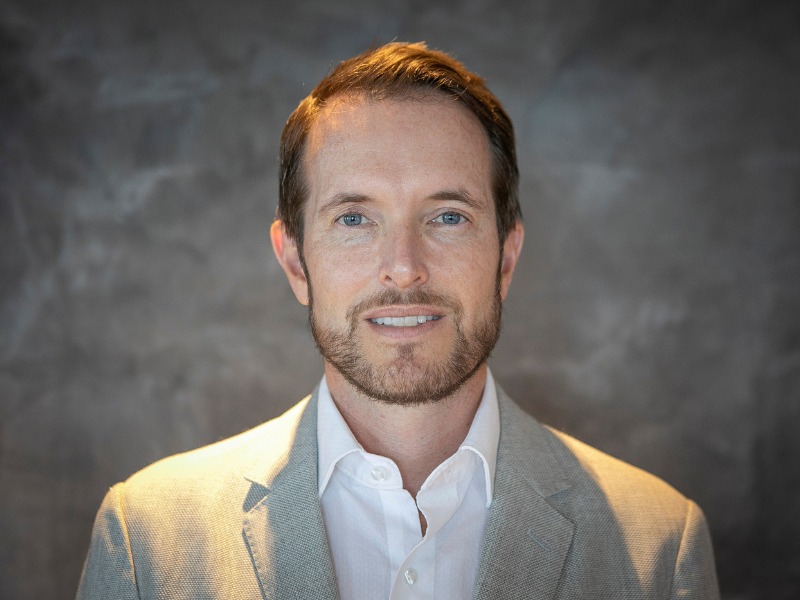


Malta’s economy continues to stand out as one of Europe’s strongest performers, and according to HSBC Bank Malta CEO Geoffrey Fichte, the country’s sustained economic resilience presents an increasingly compelling proposition for businesses and investors looking towards the future.
In his latest analysis of Malta’s economic outlook, Fichte paints an optimistic picture of an economy that has successfully navigated global uncertainty while continuing to outperform many of its European counterparts. The message is clear: strong economic fundamentals are translating into greater opportunities for businesses, entrepreneurs and international investors alike.
“The Maltese economy continues to lead Europe in economic growth,” Fichte notes, pointing to a combination of thriving industries including financial services, information technology, tourism, maritime services and online gaming that continue to drive expansion.
That momentum is reflected in the numbers.
Malta recorded GDP growth of 4.0% during 2025, with growth expected to remain at approximately 3.7% throughout 2026 – comfortably ahead of the European average and reinforcing the country’s position as one of the continent’s fastest-growing economies.
Yet for Fichte, the story extends well beyond headline growth figures.
One of Malta’s greatest strengths remains its exceptionally resilient labour market. With unemployment hovering around just 3%, the country continues to enjoy one of the lowest unemployment rates anywhere in Europe.
“The labour market remains exceptionally strong,” he explains, highlighting the confidence this provides both businesses seeking talent and investors assessing the country’s long-term economic stability.
Tourism also continues to play a central role in Malta’s success story. Visitor numbers have remained robust, supported by healthy consumer spending and continued demand for the islands as a Mediterranean destination. Combined with the strength of Malta’s internationally focused services economy, this has helped sustain growth despite ongoing geopolitical and economic uncertainty across global markets.
Equally important, however, is the strength of Malta’s public finances.
Fichte points to government debt that “remains moderate”, while noting that its overall burden is expected to reach its lowest level in three decades. At the same time, the country’s budget deficit continues to narrow, remaining comfortably below the European Union’s 3% threshold.
These fiscal indicators, coupled with consistent economic expansion, provide investors with an increasingly stable environment in which to plan long-term growth.
Real estate is another sector that continues to demonstrate resilience.
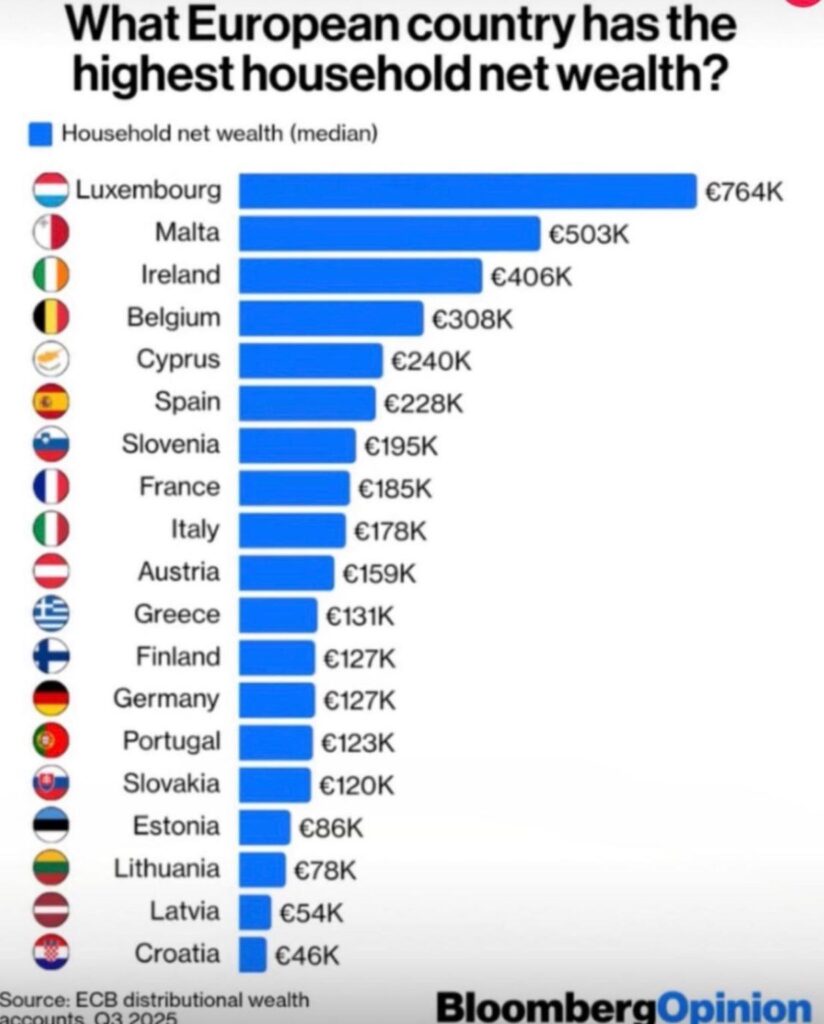
Fichte highlights “steady long-term price appreciation” alongside what remain some of the lowest mortgage rates in Europe, creating favourable conditions for both residential buyers and property investors. Meanwhile, Malta also ranks as having the second-highest median household net wealth in Europe – another indicator of the country’s underlying economic strength and financial stability.
While reflecting on Malta’s current performance, Fichte is equally focused on the opportunities that lie ahead.
He believes continued investment in digital innovation, green technologies, high-value industries and modern infrastructure will be essential in maintaining Malta’s competitive edge over the coming years.
“The country’s strategic location, skilled workforce and business-friendly environment position it well to attract international investment and create high-quality jobs,” he says.
Sustainable development and innovation, he argues, should now become the next chapter of Malta’s growth story – not simply maintaining momentum, but improving productivity while enhancing the quality of life for residents.
Taken together, Fichte’s analysis presents Malta as an economy that has successfully combined resilience with ambition.
Strong growth, low unemployment, prudent public finances and a diversified services economy have created a solid platform from which the country can continue attracting investment and supporting business expansion. Looking ahead, the challenge will be ensuring that innovation, sustainability and productivity remain at the heart of Malta’s economic strategy.
As Fichte concludes, “Malta’s economy remains one of Europe’s strongest performers, with promising opportunities to sustain growth through innovation, investment and long-term economic resilience.”
His closing message is a simple invitation to businesses looking towards Malta’s future:
“We’re open to business. How can we help you invest and grow in Malta?”
To discover more conversations and insights from Malta’s leading business voices, visit MeetInc and explore our growing library of interviews, analysis and executive perspectives.
discover.connect.meet.
You Might Also Like
Latest Article
Malta’s Economic Momentum Creates New Opportunities For Investment And Growth, Says HSBC Malta CEO Geoffrey Fichte
Malta’s economy continues to stand out as one of Europe’s strongest performers, and according to HSBC Bank Malta CEO Geoffrey Fichte, the country’s sustained economic resilience presents an increasingly compelling proposition for businesses and investors looking towards the future. In his latest analysis of Malta’s economic outlook, Fichte paints an optimistic picture of an economy … Continued
|
8 July 2026
Written by Kim Vucinovic Cutajar
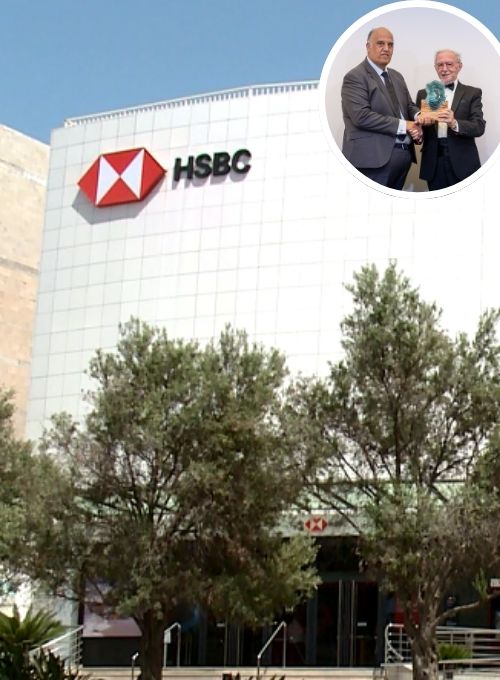
HSBC Malta Foundation Wins 2026 ERA Corporate Award For Environmental Innovation And Sustainability
|
8 July 2026
Written by Yannick Pace
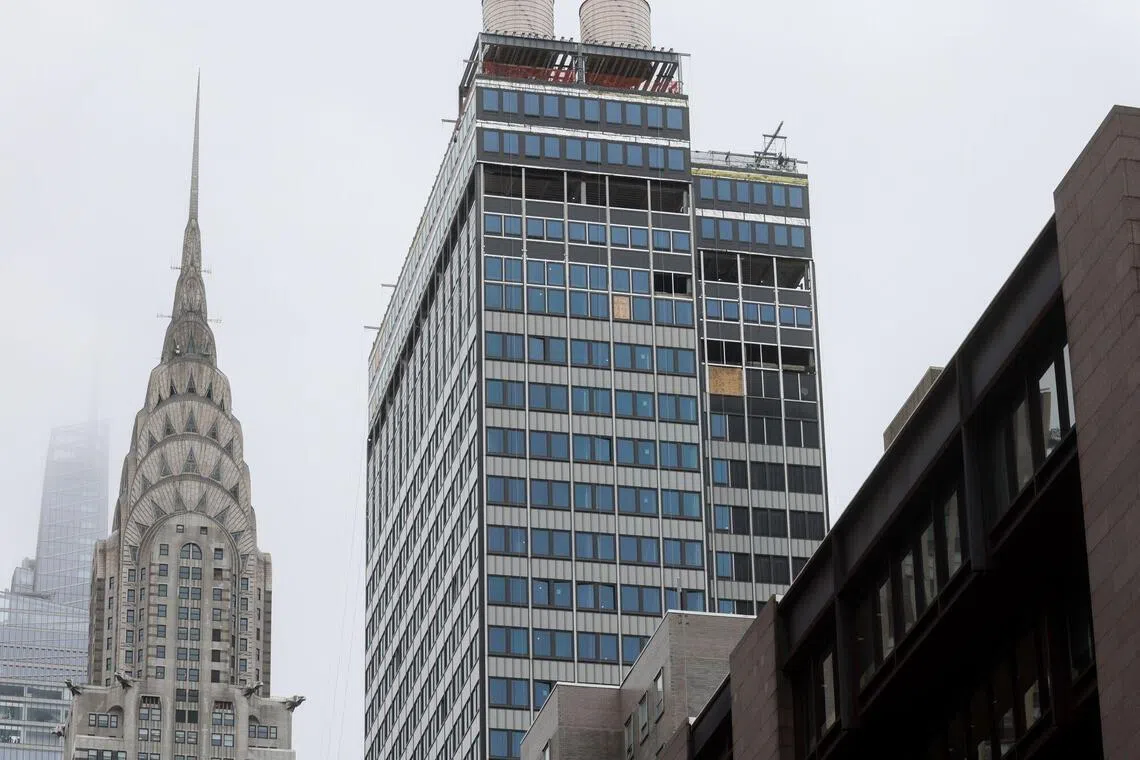
Manhattan Skyscraper Reportedly At Risk Of Collapse, Evacuations Underway
|
8 July 2026
Written by Yannick Pace