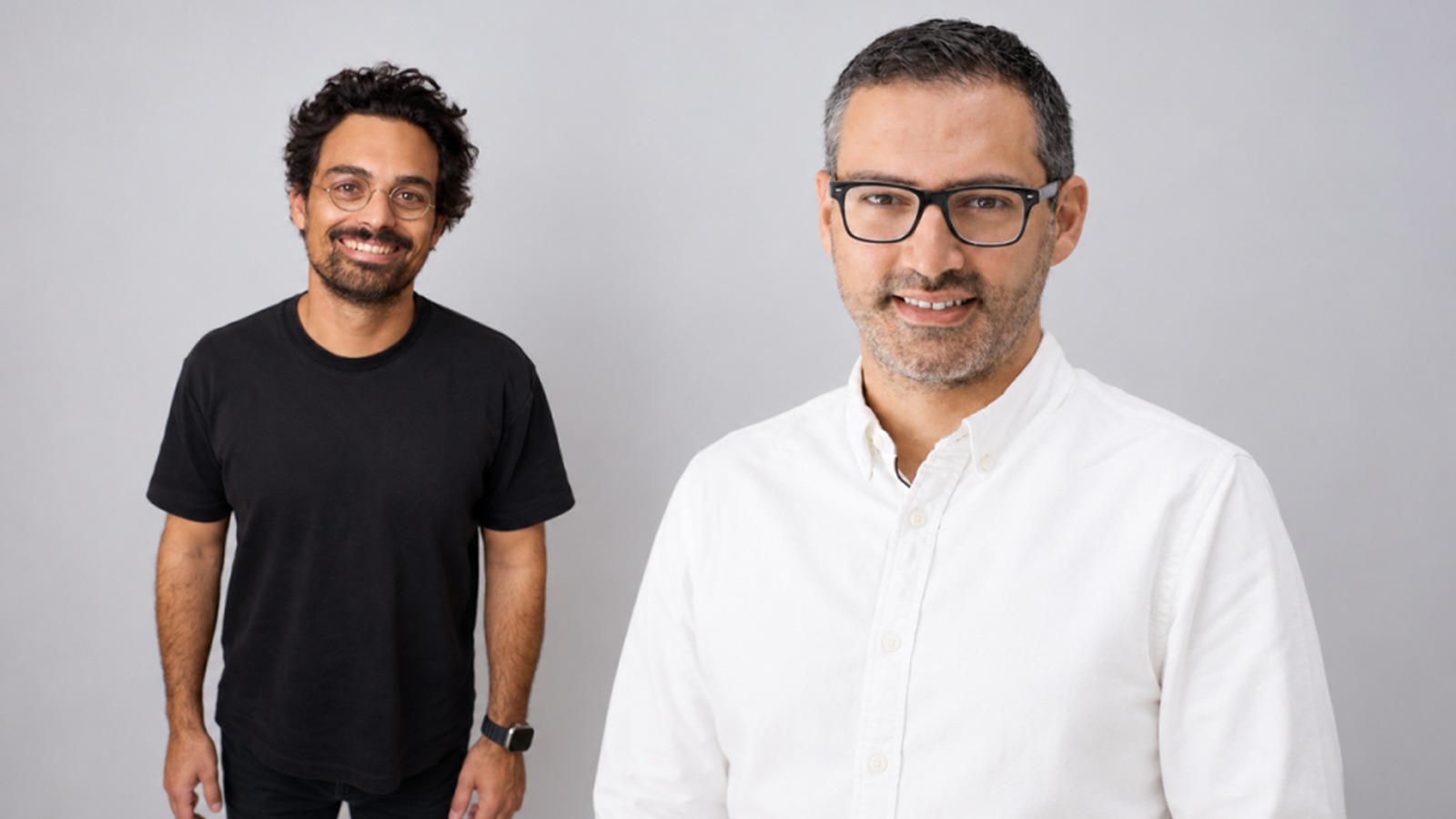




Robert Debono, chief executive of db Group Malta, has set out the leadership principles that have shaped his tenure since taking the role in 2020, placing proximity and presence at the centre of how the company approaches culture and staff retention.
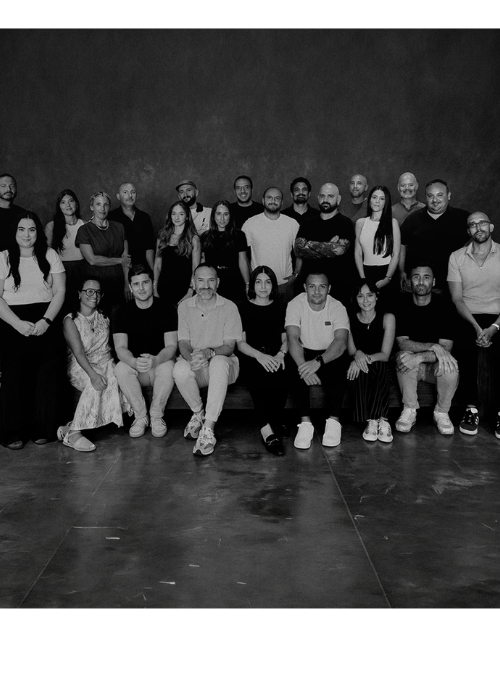
Debono grew up watching his father build the business from a single Maltese guesthouse in 1984 into an organisation that now employs more than 1,000 people across hospitality, real estate development, and lifestyle brands. What struck him most was not the scale of that growth but how the culture held its shape throughout it. The founder maintained an open-door policy and kept the distance between senior leadership and the group’s brands deliberately short and those are precisely the habits Debono says he has worked to protect as the company has continued to expand under his stewardship.
Debono observed that scale erodes closeness on its own, through additional management layers, fuller diaries and a comfortable assumption that everything is ticking along. The consequences, he argued, tend to fall hardest on retention: when leaders stop being genuinely present and visible, the people carrying the most operational weight begin to feel overlooked and the strongest among them start to look elsewhere.
That last point matters particularly in hospitality, where retention is one of the most persistent operational pressures. Debono’s position is that the businesses holding on to their best people longest are those where leadership remains reachable at every level, not just in principle but in daily practice. Culture, in his view, does not travel through policy or organisational structure. It travels through behaviour and employees consistently notice whether the daily effort is being made.
The post drew a strong response, with several commenters drawing on their own management experience to affirm the same conclusion: that people rarely leave cultures where they feel genuinely seen and valued. For db Group, now more than four decades on from its origins in a single property, the consistent argument from its current chief executive is that leadership presence has been as central to what the company has built as any commercial or strategic decision along the way.