


Every country can produce a vision document.
Far fewer can successfully translate long-term ambition into measurable progress that survives political cycles, economic disruption and changing global realities.
That is precisely the challenge behind Malta Vision 2050, the country’s long-term roadmap setting out where Malta aims to be over the next quarter of a century. But while much of the public conversation has focused on the vision itself, the more important question is what happens after the document is published.
How does a national strategy become a living framework rather than another report gathering dust?
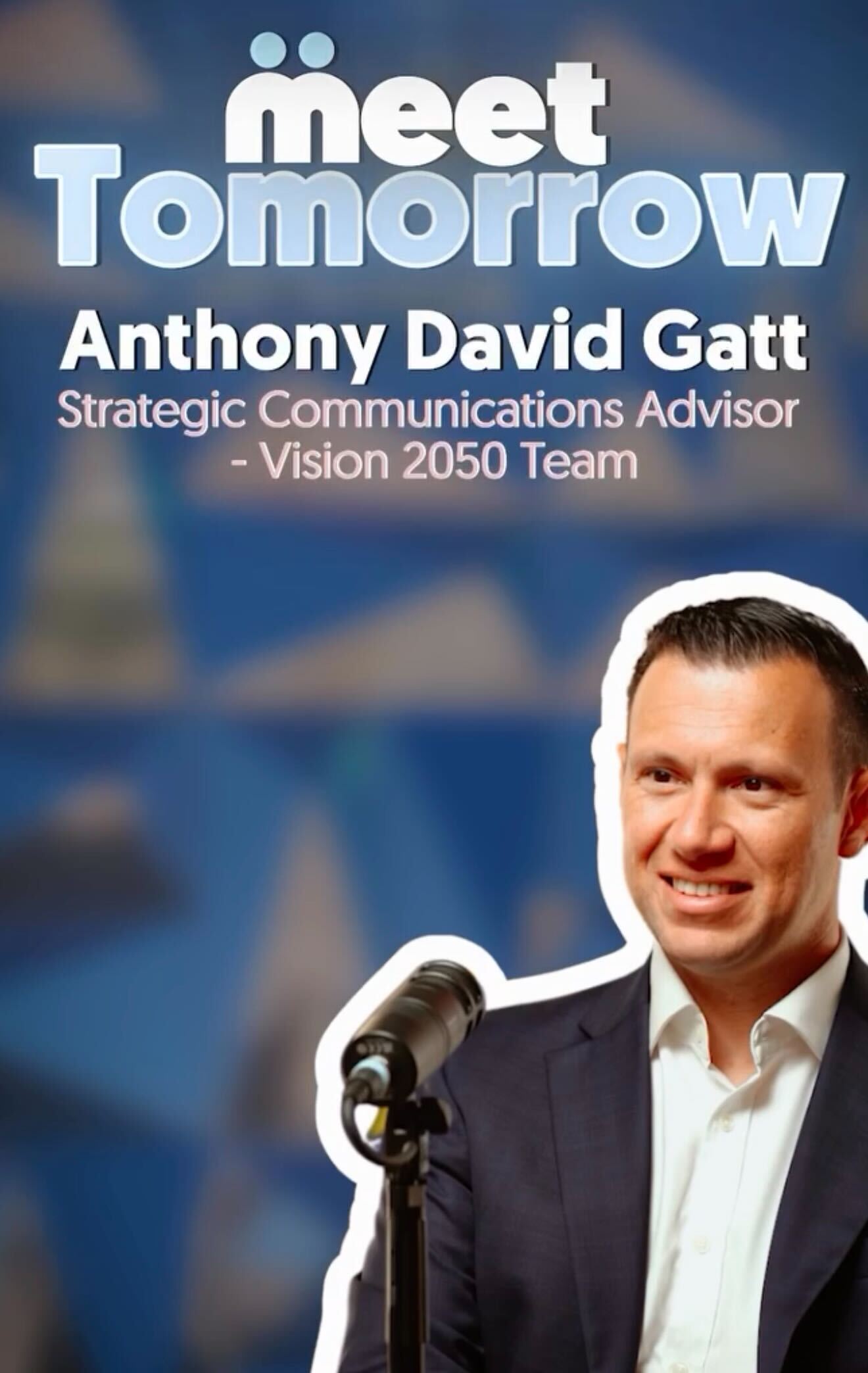
That question forms the starting point of Meet Tomorrow, MeetInc’s new four-part editorial series produced in collaboration with Malta Vision 2050, exploring not only the ambitions behind the roadmap but, more importantly, the people responsible for turning those ambitions into reality.
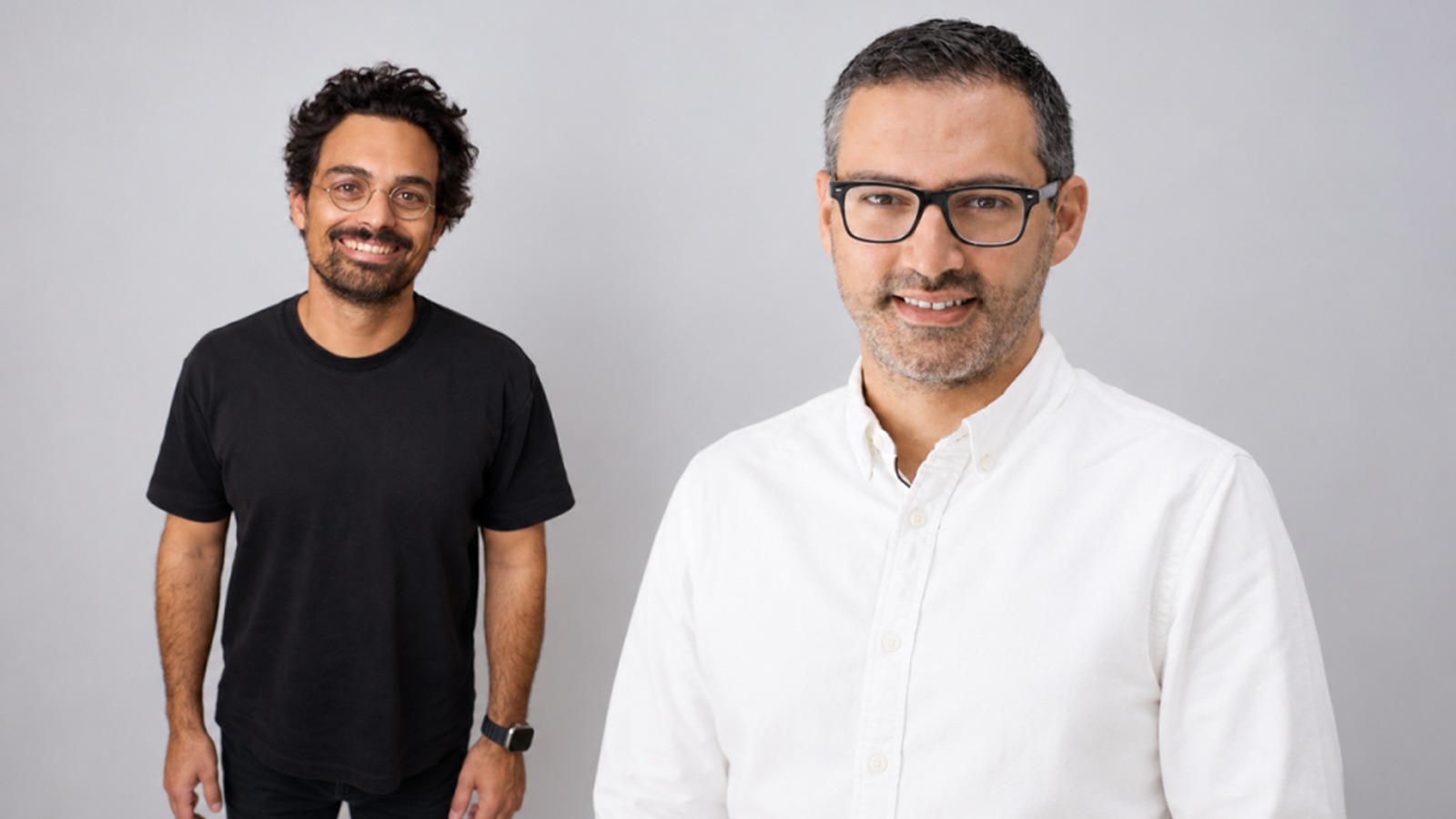
In this opening episode, we sat down with Anthony David Gatt, Strategic Communications Advisor within the Vision 2050 team, to understand why implementation—not aspiration—will ultimately determine the project’s success.
One of the first misconceptions Gatt is keen to address is that Vision 2050 is not intended to be the government’s vision alone.
Instead, it has been designed as a national framework developed through extensive consultation across political parties, social partners, business leaders, civil society and institutions. Given its 25-year timeframe, the project is deliberately intended to outlive any single administration.
“The vision belongs to the country,” Gatt explains, stressing that long-term planning only succeeds when ownership extends well beyond government.
That philosophy has shaped both the consultation process and the governance model behind the strategy.
Rather than relying solely on political leadership, dedicated implementation structures are being established to oversee delivery, monitor progress and adapt the roadmap as global circumstances evolve. A Permanent Secretary-led office, a Programme Implementation Office and a steering committee will collectively ensure the strategy remains active rather than static.
It reflects an important recognition: no 25-year plan can anticipate every geopolitical shift, technological breakthrough or economic disruption. Success depends on maintaining clear direction while remaining flexible enough to evolve.
“The only way a vision remains relevant is if it continues responding to the realities around it,” Gatt suggests throughout the discussion.
That adaptability also explains why Vision 2050 moves beyond traditional economic planning.
While economic growth remains fundamental, the roadmap deliberately broadens its focus to include resilience, environmental sustainability, digital transformation, infrastructure, public services and overall quality of life.
The objective is not simply to build a larger economy, but a stronger society.
Examples are already beginning to emerge.
From the regeneration of major public spaces and national parks to long-term infrastructure investment, renewable energy initiatives and the continued digitalisation of public services, many of the projects now entering public discussion align with the wider direction established by the roadmap.
Equally significant is the vision’s emphasis on preparing Malta for challenges that cannot yet be fully predicted.
Future health emergencies, energy security, technological disruption and changing demographic trends all require planning that extends well beyond traditional electoral cycles.
This future-focused approach also influences Malta’s economic strategy.
Rather than relying solely on sectors that have driven growth over recent decades, Vision 2050 identifies industries capable of creating greater value through innovation, advanced manufacturing, technology, digital services and knowledge-intensive employment.
For Gatt, the conversation is no longer simply about growing the economy.
It is about improving the quality of that growth.
Higher value industries, smarter infrastructure, more efficient public services and stronger environmental stewardship ultimately contribute to something far more tangible: a better quality of life for the people who call Malta home.
Perhaps the greatest challenge, however, is maintaining public engagement over a project designed to unfold across an entire generation.
Unlike election manifestos, long-term visions cannot rely on immediate political wins. They require transparency, accountability and continuous communication that allows citizens to track progress, understand changing priorities and remain invested in the journey.
That may ultimately become Vision 2050’s defining test.
Producing an ambitious roadmap is only the first step. Building the institutions, partnerships and public trust required to deliver it over the next 25 years is considerably harder.
It is also considerably more important.
As Malta begins that journey, one thing is becoming increasingly clear: Vision 2050 should not be judged by the quality of its ambitions alone, but by the consistency of its implementation.
And that conversation is only just beginning.
Meet Tomorrow is MeetInc’s four-part editorial series produced in collaboration with Malta Vision 2050, exploring the people, ideas and initiatives driving the implementation of Malta’s long-term national roadmap. Through conversations with policymakers, industry leaders and key stakeholders, the series examines how Vision 2050 is being translated from strategy into action.
Discover more exclusive interviews and business insights at www.meetinc.com.mt — discover. connect. meet.