




Hailey Borg
Amazon is bringing employees back to the office full-time, ending its hybrid work arrangement. Starting in January, CEO Andy Jassy announced in a memo that staff will return to the office five days a week. Jassy explained that this move will help employees “better invent, collaborate, and stay connected,” mirroring the pre-Covid work setup. While Jassy has been skeptical of remote work, Amazon previously allowed staff to work from home two days per week.
The decision has sparked tension within the company, which employs over 1.5 million people worldwide. Last year, Seattle headquarters employees protested when Amazon tightened its remote work policy. The protest’s organizer was later fired, leading to claims of unfair retaliation now under review by labor authorities.
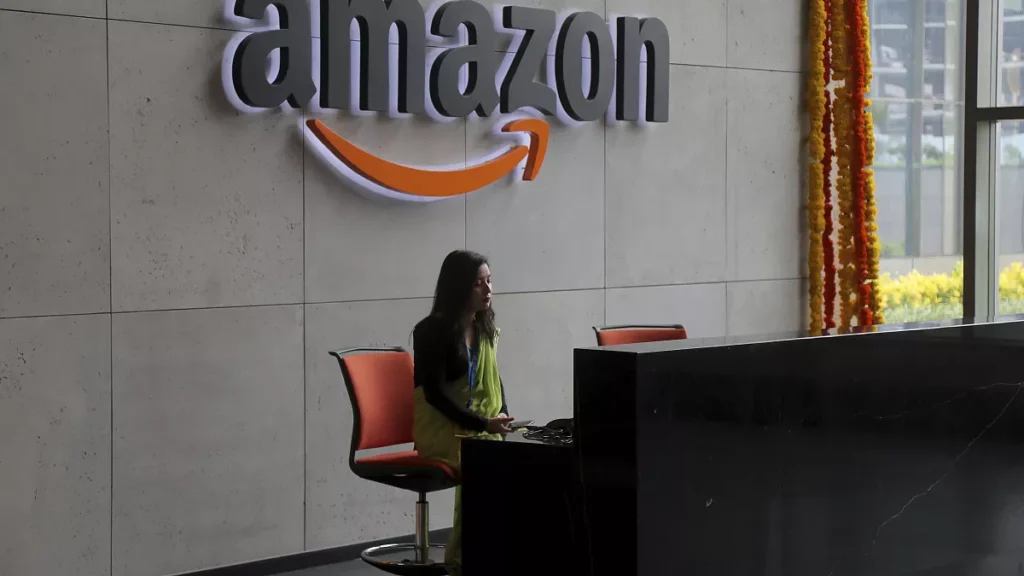
In his Monday memo, Jassy expressed concern that Amazon’s corporate culture was becoming diluted due to remote work and increased bureaucracy. He announced a new “bureaucracy mailbox” where staff can report unnecessary rules, and hinted that managerial restructuring could result in job cuts.
Along with returning to the office, Amazon will eliminate hot-desking in the US, though it will continue in most of Europe. Remote work will only be allowed in special circumstances, such as caring for a sick child or home emergencies, similar to the pre-pandemic policy. Jassy emphasized that outside of these exceptions, the expectation is full-time office attendance.
In contrast, the UK government is moving towards more flexible working, with a new employment rights bill set to make flexible work a default option from day one. Business Secretary Jonathan Reynolds highlighted the benefits of remote work, arguing it could help businesses attract a broader talent pool.
Graeme, a Northumberland resident, shared his view that working from home significantly boosts productivity compared to office work, where distractions are more frequent. However, he acknowledged that the social aspect of office life remains important.
The return to office work has been uneven since the pandemic. While some companies like JP Morgan and Dell are demanding full-time office attendance, the trend is not universal. Economist Nicholas Bloom of Stanford University notes that, despite high-profile announcements, the time spent in offices has been stable over the past year. Many companies continue to expand remote work, even if it garners less media attention.
You Might Also Like

Latest Article
Beyond The Vision: Why Malta’s Next 25 years Will Be Defined By Implementation
Every country can produce a vision document. Far fewer can successfully translate long-term ambition into measurable progress that survives political cycles, economic disruption and changing global realities. That is precisely the challenge behind Malta Vision 2050, the country’s long-term roadmap setting out where Malta aims to be over the next quarter of a century. But … Continued
|
4 July 2026
Written by Kim Vucinovic Cutajar

Ford Rehires Human Engineers After AI Falls Short
|
3 July 2026
Written by Yannick Pace

Nike’s Stock Plummets To Levels Not Seen Since 2014
|
2 July 2026
Written by Yannick Pace