
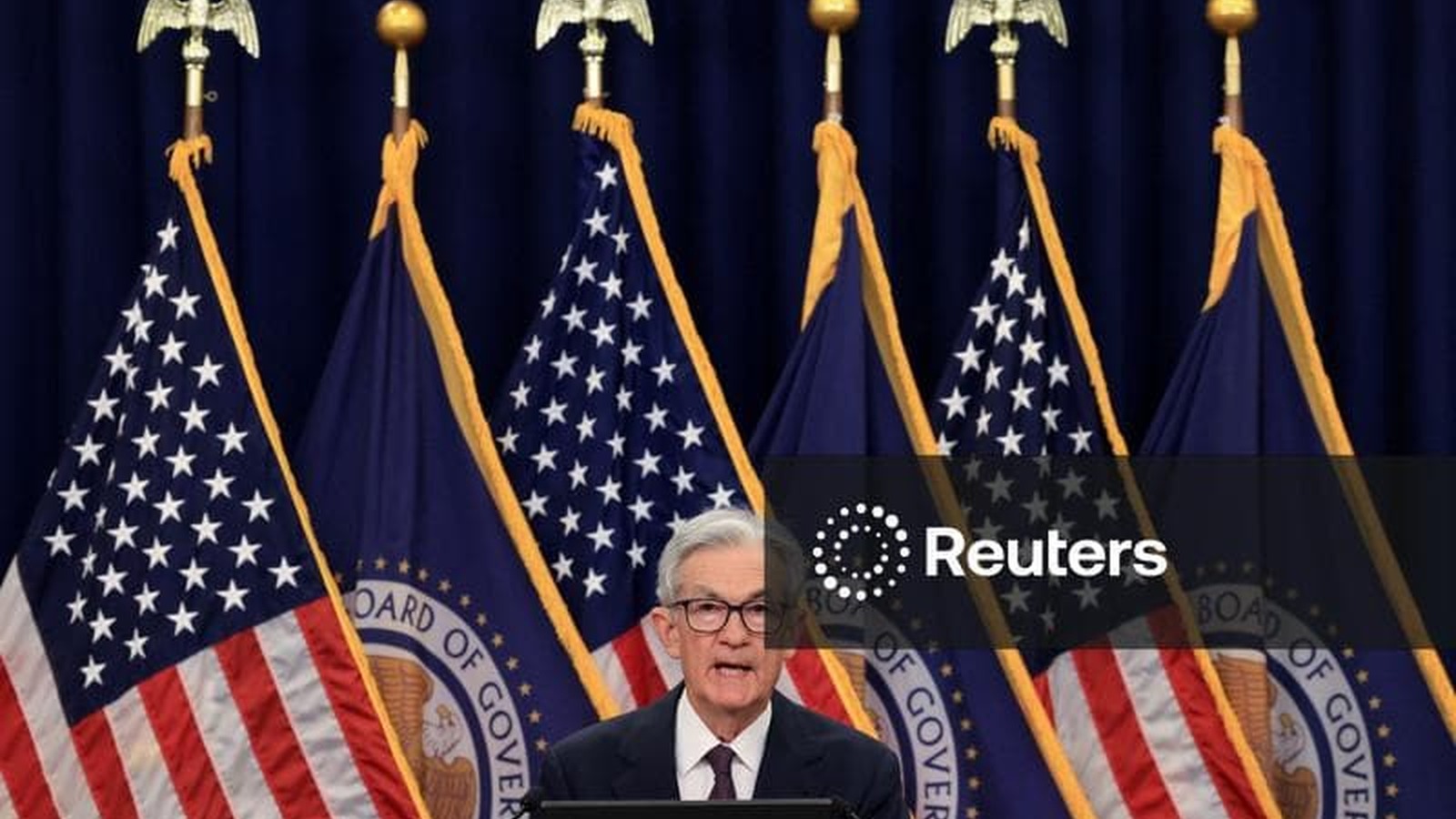


Alan Greenspan, the economist who served as chairman of the Federal Reserve under four US presidents, has passed away at the age of 100. His wife, Andrea Mitchell, confirmed his death on Monday due to complications from Parkinson's Disease.
Greenspan's tenure as Fed chair coincided with a period known as the Great Moderation, marked by low inflation, stock market gains and strong economic growth from the mid-1980s until 2007. However, his reign was also punctuated by several financial crises, including the 1987 stock market crash and the bursting of the dot-com bubble in the early 2000s.
In 1996, Greenspan famously coined the phrase "irrational exuberance" to describe bubbles fueled by investor optimism, alluding to the craze for internet company stocks at the time. His legacy is also linked to the 2008 global financial crisis and the ensuing Great Recession, although the economic collapse occurred after he ended his final term as Fed chair in early 2006.
Critics have pointed to Greenspan's "loose money" policies in the preceding years as contributing to the subprime housing crisis that ultimately caused the greatest US economic collapse since the Great Depression. In response, Greenspan defended his decisions leading up to the Great Recession, telling Fortune Magazine in 2007 that he was the victim of "revisionist history".
Greenspan's time at the Fed also saw him champion greater transparency by central bankers, pushing for more informative statements to avoid surprising markets unnecessarily. He was known for offering gnomic economic commentary that lawmakers, economists and investors scrambled to interpret.
Born on March 6, 1926, in New York City, Greenspan studied economics at New York University, where he eventually earned a bachelor's, master's and doctoral degree. He went on to serve as chairman of the President's Council of Economic Advisers under President Gerald Ford and as a member of President Ronald Reagan's Economic Policy Advisory Board.
Greenspan was appointed Fed chair in 1987 by President Reagan, a role he held under three other presidents: George H.W. Bush, Bill Clinton and George W. Bush. He retired from the Federal Reserve Board in 2006, leaving behind a complex legacy that continues to be debated by economists and policymakers today.
As one of the longest-serving Fed chairs in US history, Greenspan's impact on monetary policy and global markets is undeniable. His tenure was marked by both periods of stability and significant financial crises, highlighting the challenges of navigating economic uncertainty.
You Might Also Like

Minister Quashes Speculation Over Retirement Age Or Social Security Contributions
|
23 June 2026
Written by Yannick Pace

Uber Expands Into European Coastal Market With Launch Of Uber Boat
|
23 June 2026
Written by Yannick Pace

Delta Air Lines Highlights Malta As Europe’s Best-Kept Secret
|
23 June 2026
Written by Yannick Pace