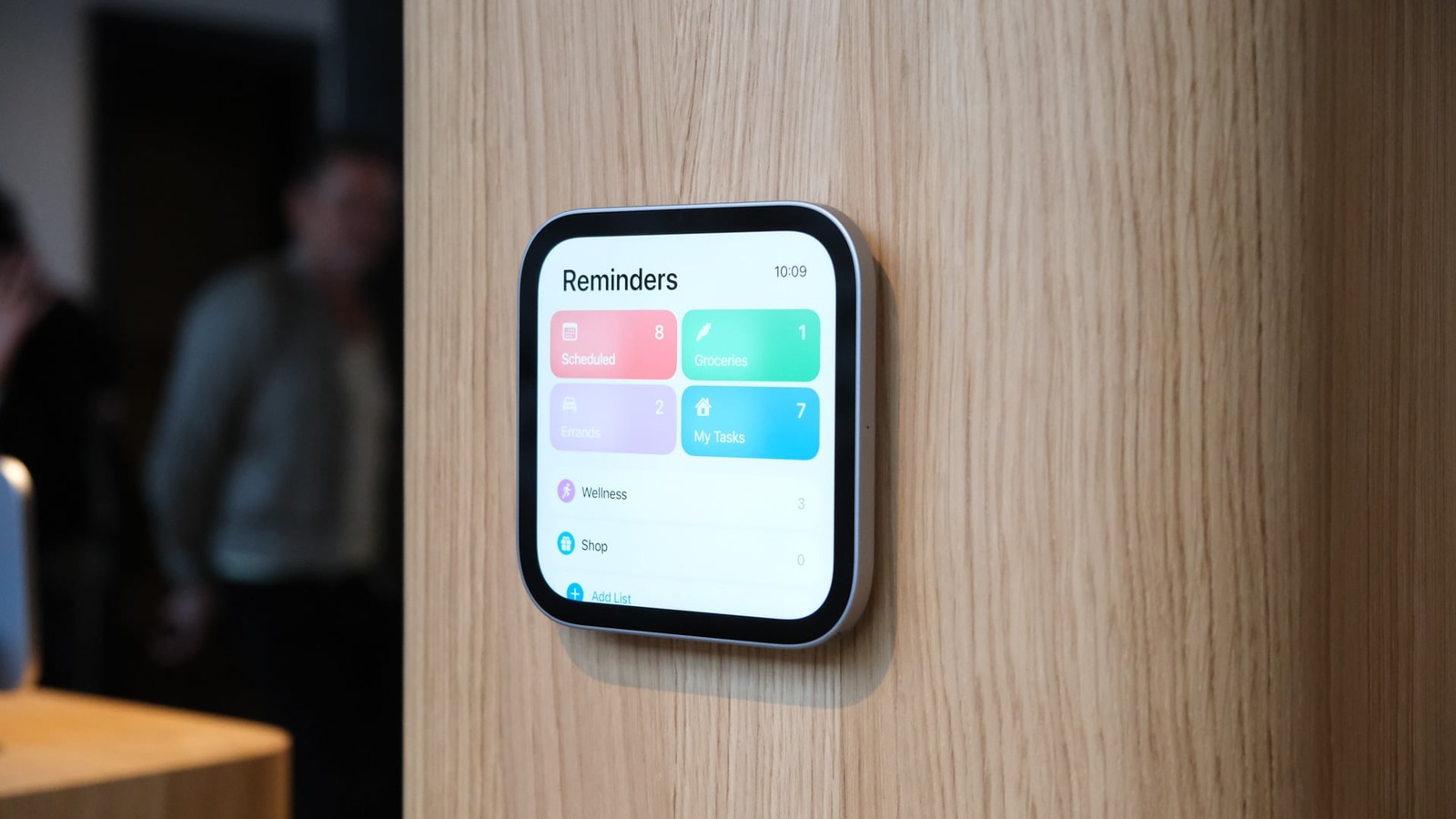



Small AI models capable of self-replicating across household devices such as smart TVs, fridges and ovens could emerge within months, Anthropic's researchers have warned, raising fresh questions about how such systems could ever be switched off.
The finding comes from Anthropic's frontier red team, which ran experiments using multiple AI models developed in both the United States and China. The team concluded that small models "may be months away from being capable enough" to copy themselves onto internet of things devices used in homes and small businesses, without requiring access to a data centre. Al Jazeera reported the findings on Monday following the release of the research.
The practical consequence, the team noted, is that self-replicating AI of this kind would be "challenging to shut down" precisely because it would have no centralised host. Where a data centre represents a single, identifiable target, a model distributed across millions of internet-connected appliances does not.
No current AI model tested proved simultaneously powerful enough and compact enough to self-replicate reliably on a smart TV. Even so, the researchers said the trajectory of development makes such a model likely before the end of 2026. Home and small business devices were identified as a probable first target, largely because they are internet-connected and have historically operated with minimal security measures in place.
An AI and cybersecurity expert quoted in the reporting described the development as significant, drawing a distinction between conventional computer worms and an AI-powered equivalent. A traditional worm follows fixed instructions; an AI worm could reason about unfamiliar devices, adapt when its initial approach fails and continue spreading without a human operator directing it. The same expert cautioned that the technology does not yet pose an existential threat, but warned that combining autonomous replication with strong hacking capability and strategic reasoning would make any future system considerably harder to contain.
Anthropic also announced separately on Monday that it had made substantial progress against so-called distillation attacks, which involve using advanced AI to train cheaper, unauthorised copies of existing models. The company said measures it had introduced reduced the illicit extraction of data by between 90 and 99 per cent. Anthropic had previously accused Chinese firms DeepSeek, Moonshot and MiniMax of conducting what it described as industrial-scale efforts to copy its Claude models.
The disclosures arrive as scrutiny of AI safety intensifies. Anthropic and rival OpenAI have both called for international coordination on slowing AI development to reduce catastrophic risk, though that appeal has so far drawn limited commitment from the United States and China.
You Might Also Like

Latest Article
REVOLUT HOSTS ECABS TECHNOLOGIES IN LONDON TO EXPLORE NEW OPPORTUNITIES
Maltese technology company eCabs Technologies has held discussions with Revolut at the fintech company’s London headquarters, exploring opportunities for further collaboration in the taxi and ride-hailing industry. The meeting follows several months of collaboration between the two companies’ engineering and product teams, with discussions now extending beyond payment processing to explore wider financial services opportunities … Continued
|
14 October 2026
Written by Yannick Pace
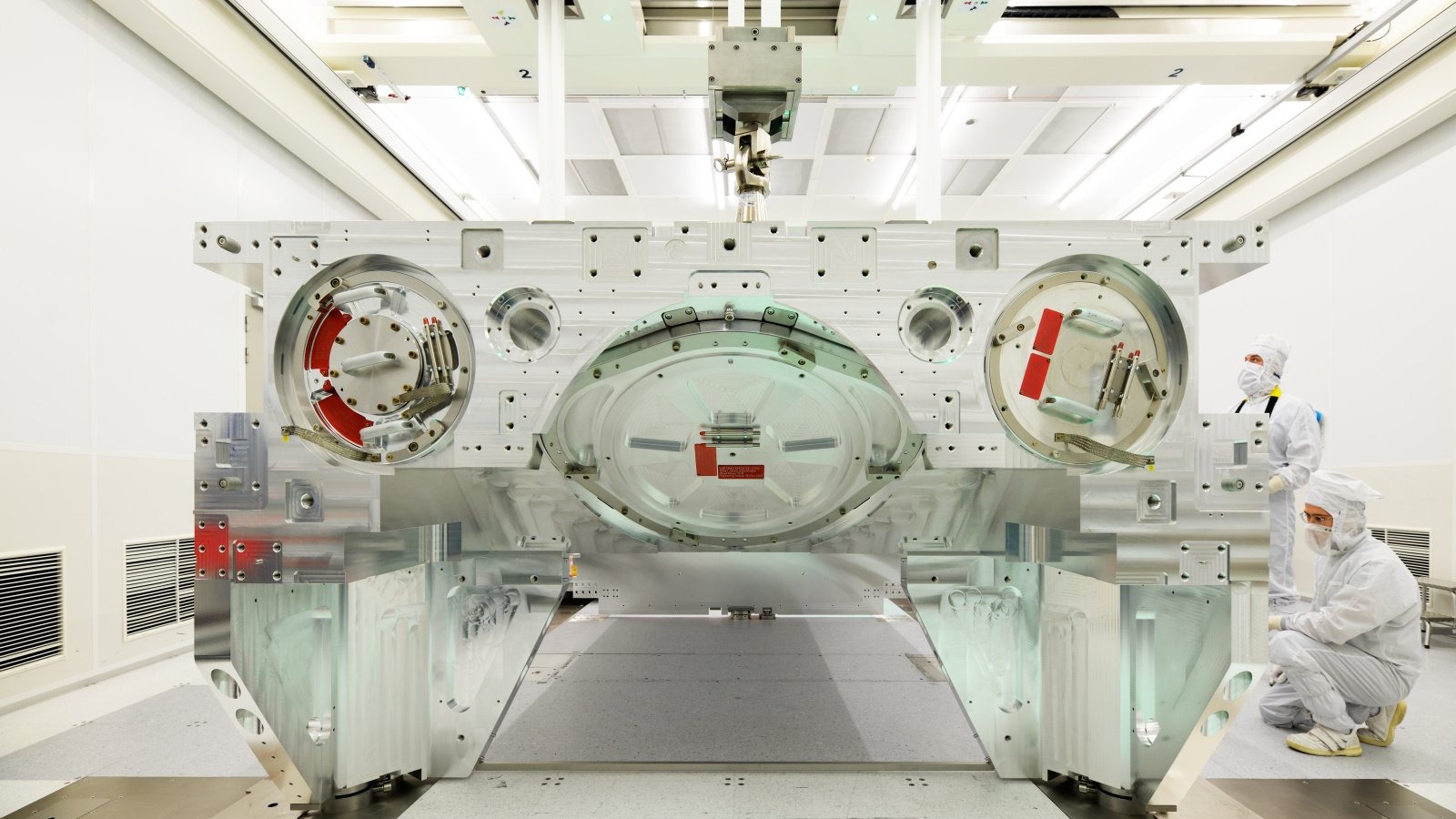
ASML REPORTS €4.96 BILLION PROFIT WITH ORDERS BACKED UP UNTIL 2030
|
14 October 2026
Written by Yannick Pace

9H LAUNCHES CEO STATE OF PLAY 2026 SURVEY WITH MALTA CHAMBER OF SMES
|
14 October 2026
Written by Yannick Pace