
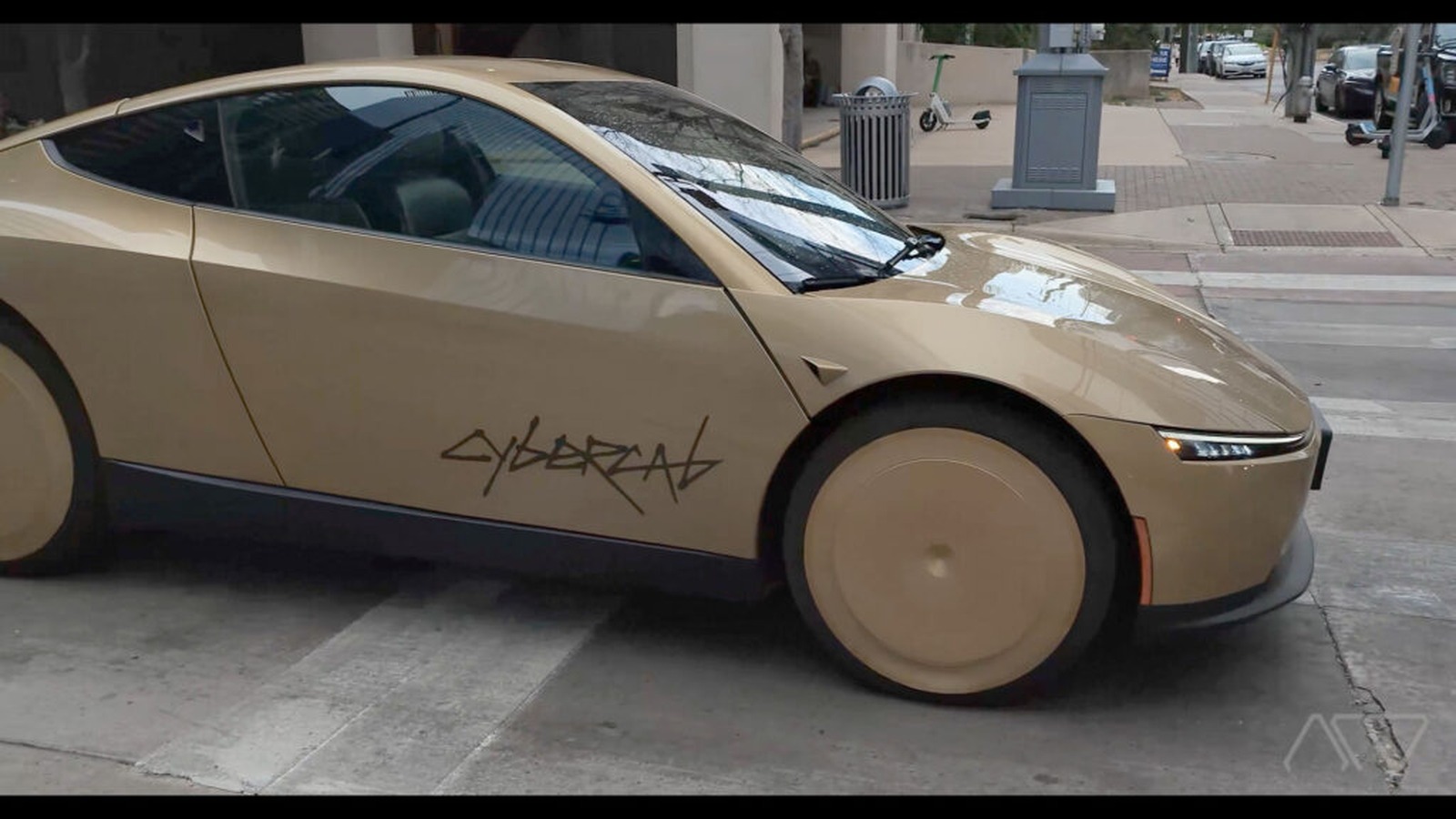


Tesla’s Cybercab made its commercial debut on the streets of Austin, Texas, only to attract an immediate federal investigation into whether the vehicle complies with US safety regulations requiring manual controls such as brake pedals and steering wheels.
The National Highway Traffic Safety Administration opened the inquiry within hours of the first Cybercabs entering public roads. The vehicles are designed without those controls entirely, which puts Tesla in a regulatory grey zone: the Department of Transportation has proposed removing the requirement for autonomous vehicles but that rule change has not yet been finalised. Tesla chose to self-certify the Cybercabs, a standard route for conventional human-driven vehicles but the NHTSA moved quickly to signal its scrutiny. Tesla may continue operating during the investigation and there is precedent for exactly this kind of standoff running in parallel with a live deployment.
The Austin launch event drew a notably muted reaction, both in atmosphere and on Wall Street. Elon Musk did not attend, a conspicuous absence given his years of positioning autonomous driving and robotics as the core of Tesla’s long-term value. Texas’s automated vehicle tracker showed 45 Cybercabs registered in the state at the time of reporting, a figure that illustrates how far the service sits from the scale of rival Waymo, which simultaneously began opening its robotaxi service to the public in Denver, San Diego and Tampa.
Waymo used the timing of Tesla’s launch to go on the offensive, arguing that fully autonomous vehicles cannot be built safely on pure end-to-end AI alone and require a combination of sensor types.
Tesla published operational guides alongside the launch confirming several details about the service, including that the Cybercab is not available to children.
Elsewhere in the sector, Uber confirmed it is cutting approximately 3,300 roles, around ten per cent of its global workforce, as part of a restructuring that will consolidate its engineering, science and delivery divisions and reduce management layers. Delivery Hero’s board also recommended shareholders approve Uber’s separate 15 billion dollar takeover offer for the company.
On the funding side, Easy Aerial raised 20 million dollars in a Series B for its autonomous tethered drone surveillance systems and Newlight, which is developing a hydrogen injection system for cargo ships, closed a nine million dollar seed round backed by a range of deep-tech and energy-focused investors.
You Might Also Like
Latest Article
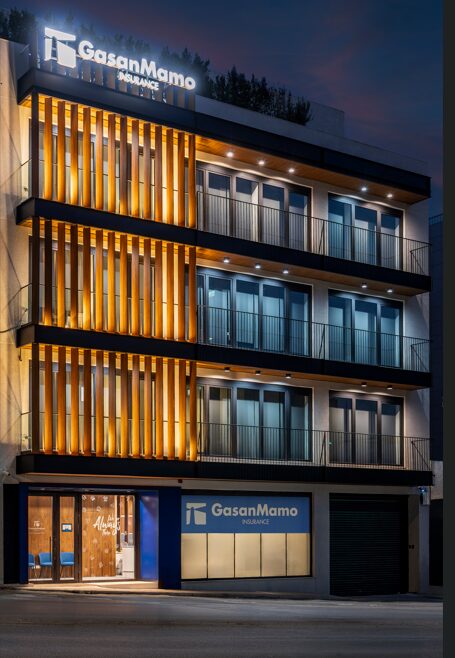
INSIDE GASANMAMO INSURANCE’S NEW HEAD OFFICE
After decades based across several buildings in Gżira, GasanMamo Insurance has moved into a new Head Office on Mill Street, Ħal Qormi. In the most recent interview on MeetInc, Malta’s fastest-growing business platform, we sat down with GasanMamo Insurance Managing Director Julian Mamo to discuss why the move happened now, what has changed inside the … Continued
|
9 September 2026
Written by Kim Vucinovic Cutajar

OIL TOPS $100 A BARREL AFTER US STRIKES ON IRANIAN TANKERS ESCALATE GULF CONFLICT
|
9 September 2026
Written by Yannick Pace
LIV GOLF FILES FOR BANKRUPTCY AS SAUDI-BACKED LEAGUE FOLDS
|
9 September 2026
Written by Yannick Pace