

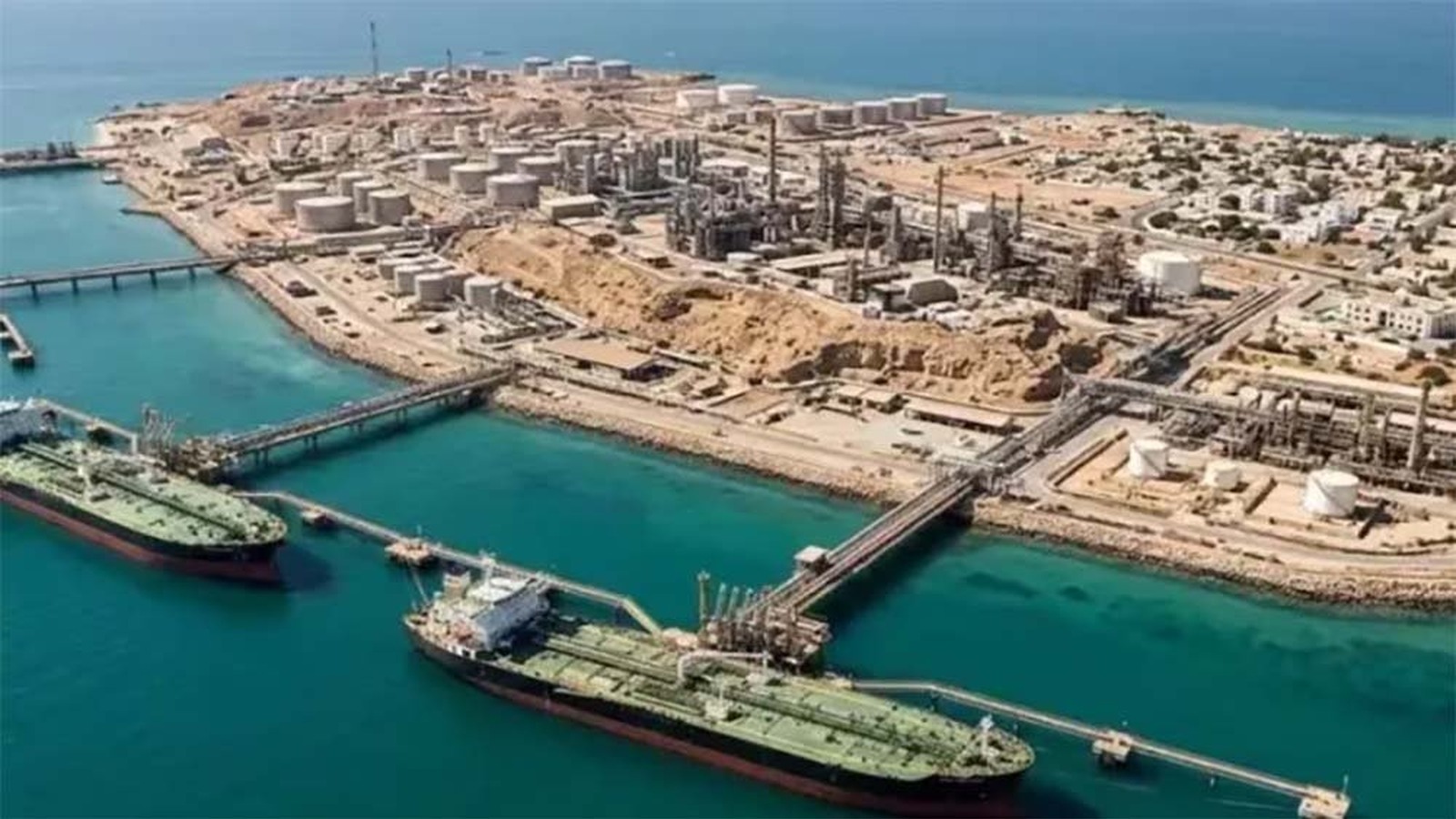


Oil prices crossed $100 per barrel for the first time since July on Wednesday, after US forces struck five Iranian crude oil tankers in the Persian Gulf and Iran responded by launching ballistic missiles at American bases in Jordan, sharply escalating the conflict between the two nations.
Brent Crude futures briefly surpassed $100 before settling at $99.71 per barrel, a level representing a 40% increase on pre-war prices of around $70. The figure remains below the $120 peak recorded earlier in the conflict, but the latest surge signals that markets are pricing in a meaningful risk of further disruption to global oil supplies.
Reporting from Bitcoinethereumnews puts the immediate trigger as a CENTCOM announcement confirming that US forces had destroyed five Iranian oil carriers following missile launches by Iran’s Islamic Revolutionary Guard Corps targeting a US Navy warship. Four of the tankers were located in the Gulf of Oman; a fifth was struck near Kharg Island, Iran’s principal oil export terminal. The IRGC subsequently launched ballistic missiles at US military bases in Jordan, widening the exchange considerably.
The ripple effects are landing hard at the pump and across supply chains. The national average price of petrol in the United States reached $4.22 per gallon on Wednesday, up from roughly $4 a month earlier. Prices had briefly dipped below that threshold in June following an interim peace agreement between Washington and Tehran, before climbing again through July as tensions reignited. The current average remains below the $4.50 seen during the May spike, though it sits well above the pre-war average of around $2.90.
More pressing for businesses dependent on logistics and freight is the diesel picture. US diesel prices hit a record $5.94 per gallon on Wednesday, a 60% rise from pre-war levels of $3.71. Diesel powers the trucks, construction equipment and agricultural machinery that underpin physical supply chains, giving sustained price pressure at this level a direct route into the cost of everyday goods, from groceries and retail products to building materials.
With no immediate diplomatic resolution in sight, energy traders and businesses are watching the Persian Gulf closely. Any further disruption near Kharg Island, which handles a substantial share of Iranian crude exports, could push Brent toward and potentially beyond its previous peak.