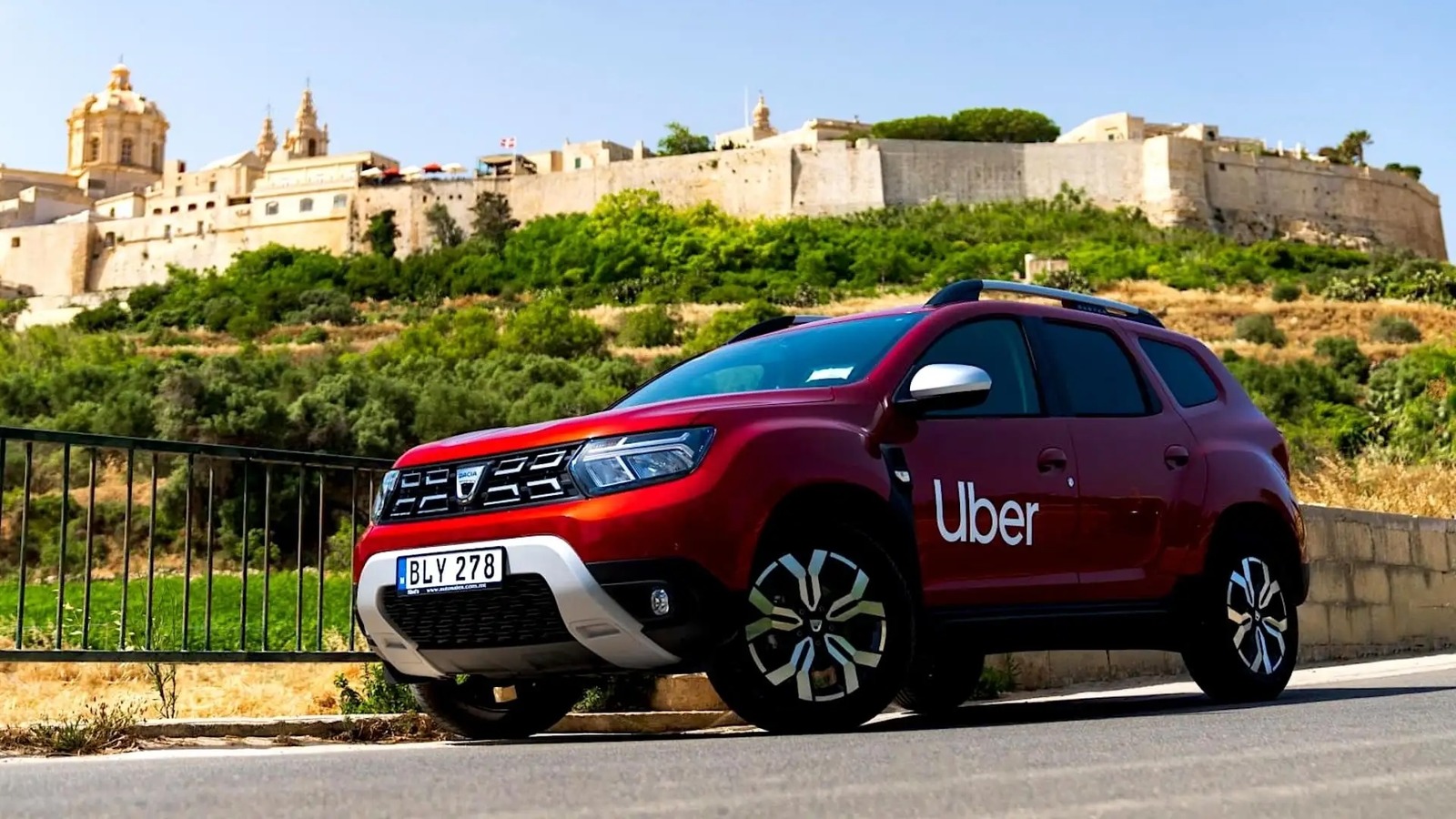


Self-employed drivers suspended from Uber’s platform in Malta have regained access after the ride-hailing company and the Light Passenger Operators Association (LPOA) reached what both sides are calling an ‘amicable solution’, the association confirmed.
The LPOA, which represents Y-plate cab drivers, announced the resolution on Facebook, saying Uber had agreed to compensate drivers affected by the temporary suspension and was working to introduce a new fare transparency feature required under recently enacted legislation. Uber said it expected the feature to be live ‘in the coming days’, having told local media earlier that full compliance would follow within two weeks.
The dispute centred on Legal Notice 171 of this year, which requires ride-hailing platforms to give self-employed drivers full details of a trip’s destination and pricing before they accept a fare. The provision was due to come into force last Wednesday as part of a broader overhaul of Y-plate operator rules, but Uber failed to implement the necessary technical changes in time.
Sustainable Mobility Minister Chris Bonett had warned that Uber’s operating licence in Malta could be suspended over the lapse, pointing out that the company had been involved in drafting the legislation and had had months to prepare. When Uber subsequently suspended the accounts of self-employed drivers on its platform, Bonett criticised the move as excluding small operators and the self-employed “without any legal basis”.
Uber acknowledged the delay. A company spokesperson said that despite fully supporting the new requirements, ‘a local operational transition’ had prevented the changes from being completed by the deadline.
The LPOA thanked Transport Malta and the Sustainable Mobility Ministry for their role in brokering the agreement. Rival platforms Bolt and eCabs are understood to have already introduced the required changes.
The fare transparency requirement is one of several reforms that followed concern over driver welfare and road safety. Other measures include a 12-hour daily driving limit and a facial recognition log-in every three hours to confirm the registered driver is the person at the wheel. The overhaul came in the wake of an incident in which an unlicensed and allegedly drunk Y-plate driver was involved in a crash that left a man with life-changing injuries, with separate reports surfacing of some drivers working shifts of up to 16 hours.
You Might Also Like

Latest Article
9H LAUNCHES EXPERT-LED ADVISORY SERVICE TO BRIDGE GAP BETWEEN STRATEGY AND EXECUTION
Malta-based technology and creative group 9H has launched 9H Expert-Led Advisory, a new operator-led service designed to help businesses address growth and transformation challenges by combining strategic advice with hands-on implementation. The service works directly with CEOs, boards and senior leadership teams, bringing together specialist teams with practical experience in developing and delivering technology-driven solutions. … Continued
|
23 October 2026
Written by Kim Vucinovic Cutajar
GOVERNMENTS PATCH PHP FLAWS AFFECTING 70% OF WEBSITES WORLDWIDE
|
23 October 2026
Written by Yannick Pace

BSS OPENS €930,000 EU CO-FUNDED OLIVE PROCESSING FACILITY IN RABAT
|
23 October 2026
Written by Yannick Pace

META PARTNERSHIP ADS GROW MORE THAN 97% YEAR ON YEAR IN Q3
|
22 October 2026
Written by Yannick Pace