



A US federal judge has blocked the Trump administration from taking action against Anthropic, marking a significant development in an escalating dispute over the use of artificial intelligence in military operations.
According to reporting by the Financial Times, the administration had designated Anthropic a “supply chain risk” after the company refused to allow unrestricted use of its AI technology in warfare applications.
Judge Rita Lin of the Northern District of California issued a temporary injunction preventing US agencies from enforcing the designation, warning that the move could cause severe financial and reputational damage to the company.
The court found that the government’s action was likely “arbitrary and capricious” and potentially unlawful, noting that such a designation is typically reserved for companies linked to foreign adversaries rather than domestic firms.
The ruling follows a breakdown in negotiations between Anthropic and the Pentagon, after the company declined to support certain uses of its AI technology, including applications related to lethal autonomous weapons and mass surveillance.
Anthropic’s Claude model had previously been used in classified military operations, highlighting the growing integration of AI tools into defence systems.
Following the dispute, the US administration moved to restrict government agencies from doing business with Anthropic and signalled that defence contractors should reconsider their commercial relationships with the company.
Anthropic challenged the designation in court, arguing that it would result in significant financial losses and harm its standing in the technology sector.
The company also received support from several major technology firms, which filed legal briefs warning that the measure could have broader implications for the industry.
Judge Lin stated that while the Pentagon has discretion over which technologies it adopts, branding a US company as a security risk for disagreeing with government policy raised serious legal concerns.
The ruling gives the administration seven days to appeal before the injunction takes effect.
The case highlights growing tensions between governments and AI companies over how advanced technologies should be deployed, particularly in defence and national security contexts.
As AI systems become increasingly central to military and geopolitical strategy, disputes over control, ethics and commercial access are likely to intensify.
You Might Also Like
Latest Article
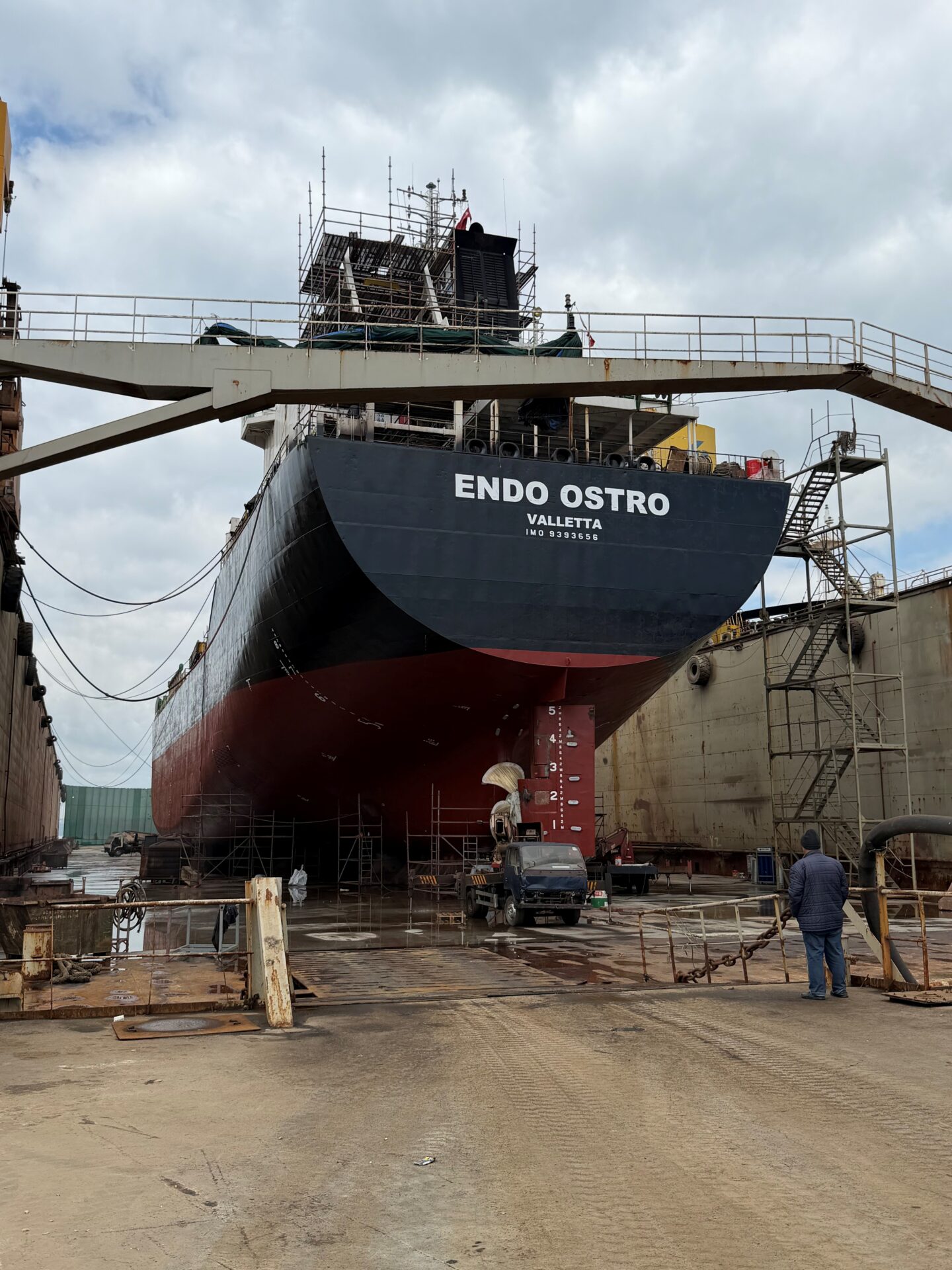
Endo Finance p.l.c. Launches €23 Million 5.75% Partially Secured Bond Issue
Malta-based Endo Finance p.l.c. (C 89481) has announced the launch of an issue of up to €23 million in 5.75% Bonds maturing in 2036, supporting the consolidation of the Endo Group’s financing structure and the continued development of its commercial vessel operations. The Bond Issue will be guaranteed by Endo Ventures Ltd and partially secured … Continued
|
24 July 2026
Written by Kim Vucinovic Cutajar

REVOLUT NAMED WORLD’S BEST DIGITAL BANK FOR 2026 AS REVENUE HITS £4.5 BILLION
|
24 July 2026
Written by Yannick Pace

GIANLUCA BORG NAMED CEO OF PG GROUP AFTER MORE THAN A DECADE IN SENIOR LEADERSHIP
|
23 July 2026
Written by Yannick Pace