


Yannick Pace
A trial starting next week will test whether the FTC can force Meta to unwind two of the biggest tech deals of the past decade.
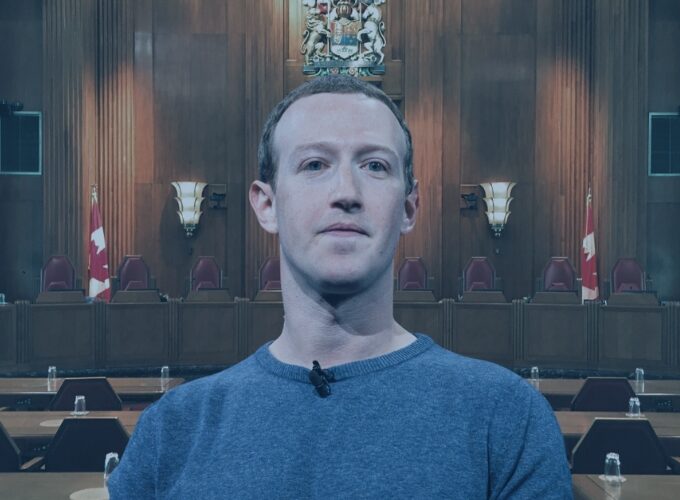
Meta is set to face off against the US Federal Trade Commission on April 14 in a landmark antitrust trial that could reshape the future of the $1.5tn company. If the FTC wins, Meta may be forced to divest WhatsApp and Instagram — its two most high-profile acquisitions.
The case accuses Meta of maintaining an illegal monopoly by acquiring potential rivals to neutralise competition, a strategy the FTC describes as “buy or bury.” The trial is the most serious legal challenge Meta has faced since the acquisitions were made in 2012 and 2014, for $1bn and $19bn respectively.
A new FTC, a familiar fight
It’s also the first major test for the FTC under Donald Trump’s new chair, Andrew Ferguson, who has promised to continue the agency’s hard line against Big Tech. Ferguson has framed Silicon Valley’s dominance as a threat to both competition and civil liberties, and pledged to enforce antitrust laws “vigorously.”
Meta is expected to argue that both acquisitions were approved by regulators at the time, and that they helped Instagram and WhatsApp grow — not wither. The company is also likely to point to the rise of TikTok and other social platforms as evidence of a competitive market.
The case will be overseen by Judge James Boasberg, who initially dismissed the FTC’s first complaint in 2021 for being “legally insufficient,” before allowing a revised version to proceed the following year. If Meta is found to have broken the law, the court will move into a second phase to determine remedies — including a potential breakup.

The trial follows a wave of antitrust actions brought against Big Tech by both Democratic and Republican administrations, with mixed results. While regulators have notched key wins — including a recent judgment against Google in a separate search monopoly case — other efforts have failed, such as attempts to block Meta’s acquisition of VR firm Within.
What happens next could define the limits of Big Tech power in a second Trump presidency — and set the tone for future enforcement.
You Might Also Like
Latest Article
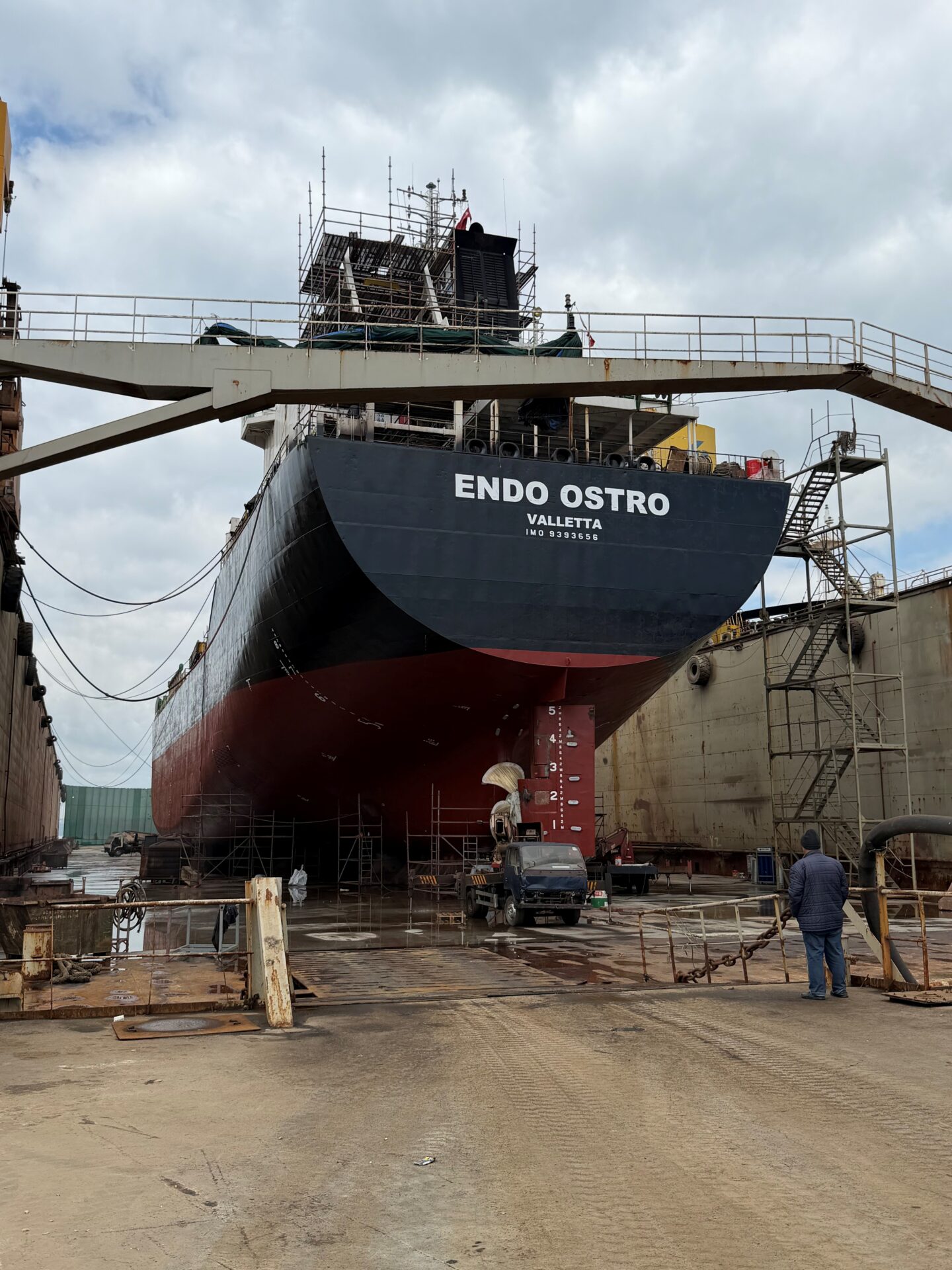
Endo Finance p.l.c. Launches €23 Million 5.75% Partially Secured Bond Issue
Malta-based Endo Finance p.l.c. (C 89481) has announced the launch of an issue of up to €23 million in 5.75% Bonds maturing in 2036, supporting the consolidation of the Endo Group’s financing structure and the continued development of its commercial vessel operations. The Bond Issue will be guaranteed by Endo Ventures Ltd and partially secured … Continued
|
24 July 2026
Written by Kim Vucinovic Cutajar

REVOLUT NAMED WORLD’S BEST DIGITAL BANK FOR 2026 AS REVENUE HITS £4.5 BILLION
|
24 July 2026
Written by Yannick Pace
GIANLUCA BORG NAMED CEO OF PG GROUP AFTER MORE THAN A DECADE IN SENIOR LEADERSHIP
|
23 July 2026
Written by Yannick Pace