

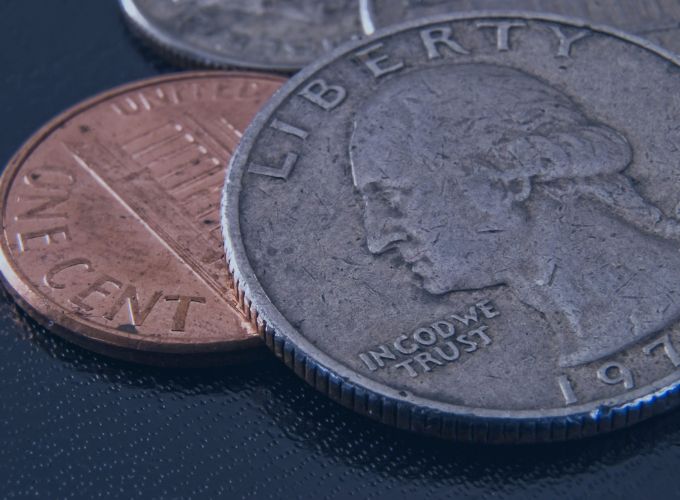


The United States has officially ended production of the penny, closing the chapter on a coin that circulated for more than 230 years but long outlived its economic usefulness. The U.S. Mint in Philadelphia struck the final batch on Wednesday, marking the end of a currency era that began in 1793.
Treasurer Brandon Beach presided over the final striking, calling the decision a practical move that will save taxpayers an estimated $56 million annually. The penny has been losing relevance for decades: once capable of buying a biscuit or a candle, today it costs nearly four cents to produce and is largely relegated to jars, drawers, and charity boxes.
During the last pressing, mint employees gathered in silence before breaking into applause as the final coins rolled out — a moment that blended nostalgia with inevitability. Billions of pennies will remain in circulation and continue to be legal tender, but no new ones will be made. The last U.S. coin to be discontinued was the half-cent in 1857.
Most penny production had already wound down over the summer. However, the final announcement triggered mixed reactions from consumers and retailers across the country. Some stores began rounding prices or offering incentives to customers willing to bring in their spare pennies. Others struggled with change shortages as supplies dwindled, citing limited guidance on how to transition away from the 1-cent denomination.
The policy shift was introduced by President Donald Trump, who argued that the penny’s production was wasteful as manufacturing costs far exceeded its face value. While many economists and retail associations have long supported eliminating the coin — noting that Canada, Australia, and several European countries have already phased out their smallest denominations — the rapid timeline caught some sectors off guard.
Opponents of the decision pointed to the coin’s cultural and historic significance. Pennies have been viewed as symbols of good luck, entry-point collectibles for children, and snapshots of American identity, from Lincoln’s portrait to national mottoes. Historians note that coins often act as mirrors of national values, documenting art, politics, and cultural milestones.
Despite sentimental reactions, the economic case proved decisive. Over the last century, roughly half of all U.S. coins minted were pennies, creating what many saw as a glut. Yet the small coin remained the most expensive to produce relative to its value, even as other denominations continued to rise in cost.
As the last pennies are auctioned to collectors, the coin that once powered everyday commerce now becomes part of American history — a reminder of how the economy evolves, and how even the smallest piece of currency can carry a big legacy.