
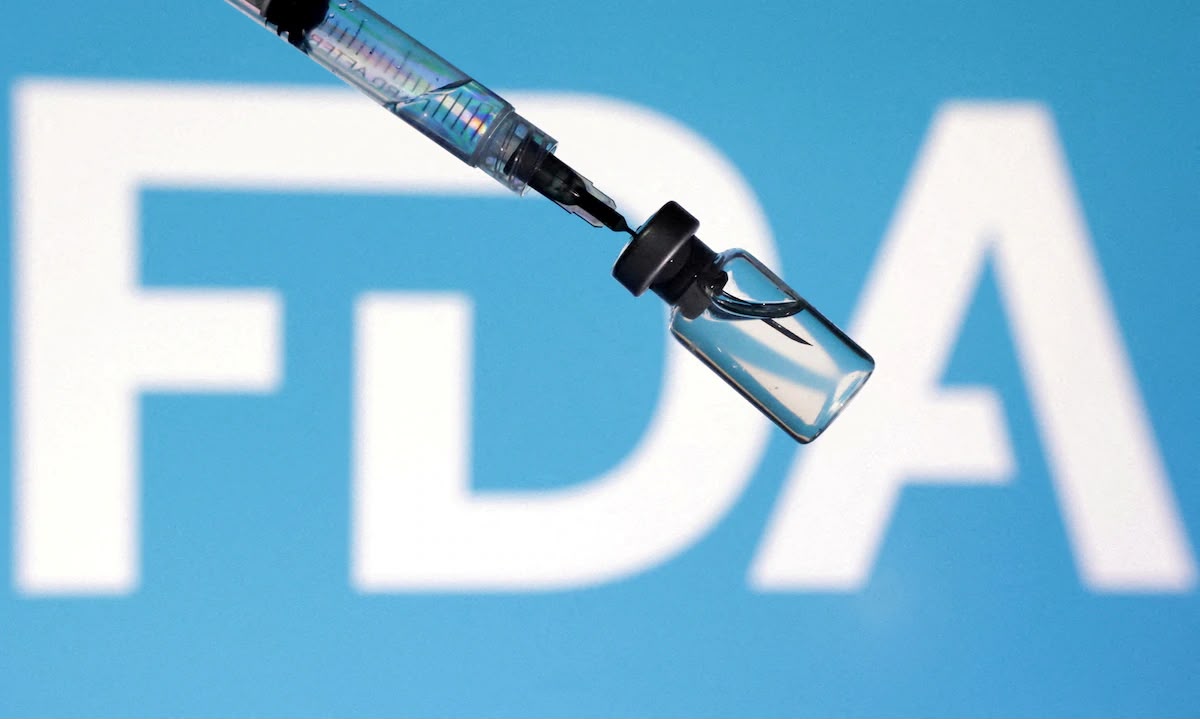


An FDA advisory panel began deliberating on Thursday on whether to recommend legalising the production of seven peptides – a decision that has drawn hundreds of industry figures to the agency’s Maryland campus and set the compounding sector on edge.
Shaun Noorian, founder and chief executive of Houston-based Empower Pharmacy, one of the United States’ largest compounding pharmacies, made the trip in person. “I wouldn’t miss it for the world,” he told Forbes. “The who’s who of the peptide space will be there.”
The room is expected to fill with compounders, telehealth founders and longevity influencers who have travelled specifically for the occasion – a turnout that reflects just how much commercial weight is riding on the panel’s recommendation.
The seven peptides currently sit in a legal grey zone. They are permitted only for research purposes, a restriction that has not stopped a sizeable illicit market from taking hold. Scientific data on their safety and efficacy remains thin and many sellers operating in that space do so entirely without regulatory oversight. Despite those conditions, the grey market for these compounds is estimated to be worth around three billion dollars.
A favourable recommendation from the panel would not immediately legalise commercial production, but it would represent a significant step towards a regulated framework – one that compounders like Empower Pharmacy are clearly positioning themselves to capitalise on. For an industry that has long operated in uncertain regulatory territory, formal oversight could ultimately be a stabilising force rather than a constraint.
The stakes are high on both sides. Regulators are weighing limited safety data against a market that already exists and is growing regardless of its legal status. Industry players, meanwhile, see an opportunity to bring a multi-billion-dollar sector into the open – on terms that could work in their favour.