
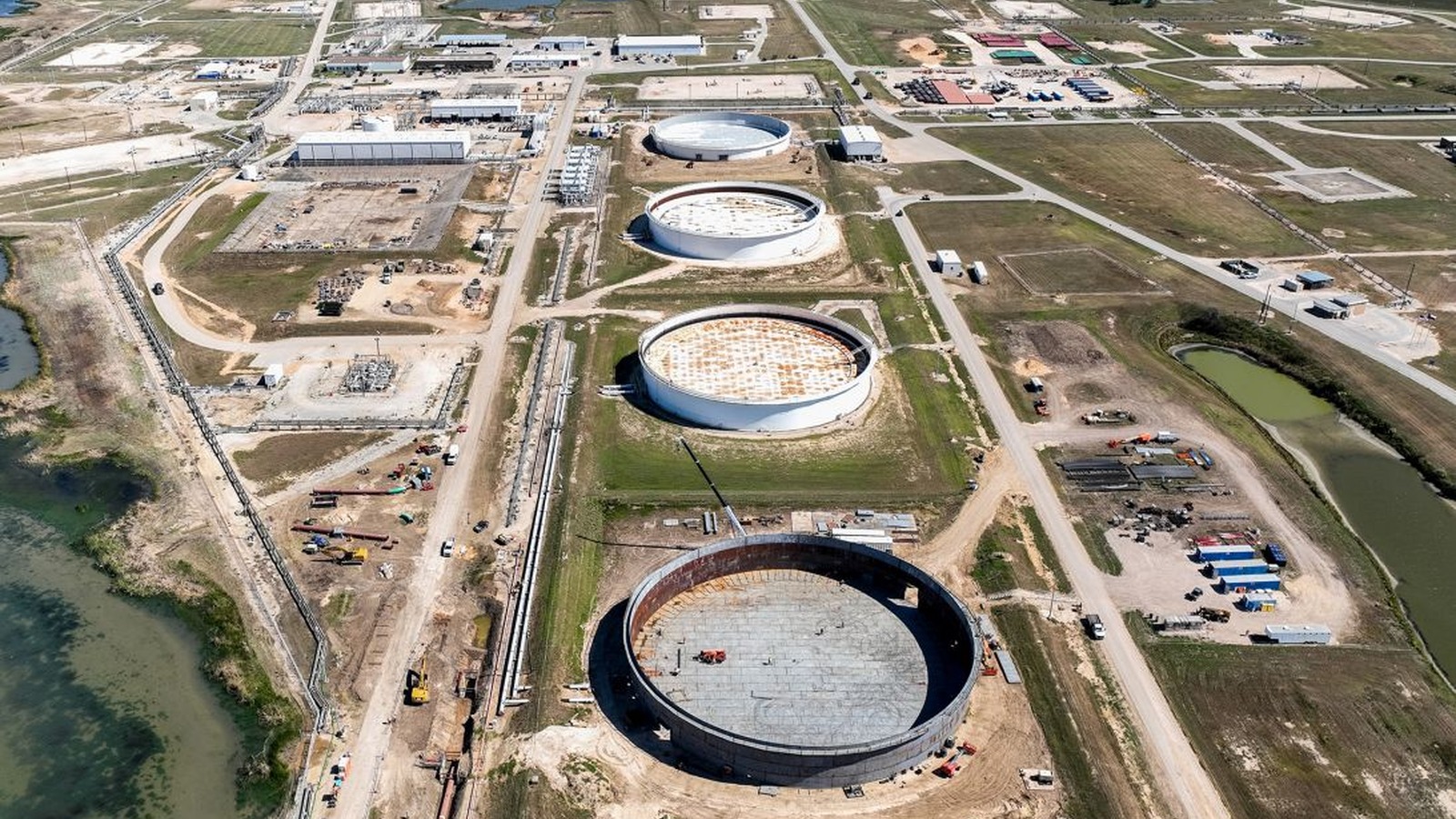


America’s crude oil reserves have fallen to their lowest level in more than four decades, dropping below 300 million barrels for the first time since 1983 as the Trump administration continues releasing supplies to cushion the impact of the Iran war.
Data from the US Energy Information Administration shows the Strategic Petroleum Reserve fell by six million barrels in a single week to 298.7 million barrels. The reserve stood at around 415 million barrels at the start of the year, meaning roughly 116 million barrels have been drawn down since January.
The sustained drawdown reflects the pressure the ongoing conflict has placed on US energy infrastructure, disrupting flows through the Strait of Hormuz and keeping global supply tight. Markets had briefly grown optimistic after comments from President Trump and other officials last week suggested a deal to reopen the Strait could be imminent, but those hopes faded over the weekend when Trump indicated the administration was prepared to let the economic weight of the conflict pressure Iran back to the negotiating table.
Oil prices responded sharply. Brent crude climbed five per cent on Monday to $87.82 a barrel, while West Texas Intermediate rose by the same margin to $82.28. Petrol prices in the United States have crept back above $4 per gallon, up from $3.88 a month ago, according to AAA.
Analysts are watching Wednesday’s US consumer price index reading closely. June’s inflation figure came in cooler than expected as energy costs eased during a period of cautious optimism over a potential ceasefire, but July is expected to tell a different story given the renewed escalation in tensions.
The broader concern is what happens if reserve drawdowns continue at this pace. Independent market research firm HFI Research warned earlier in the summer that dwindling global oil inventories could prompt countries to begin hoarding crude, potentially triggering what it described as real panic across markets.
For now, oil prices remain below their wartime peak of around $120 a barrel, suggesting traders have not yet priced in a worst-case scenario. Whether that composure holds will depend on how the Strait situation develops in the weeks ahead.