



Telegram has disclosed that around $500 million worth of its bonds remain frozen in Russia due to Western sanctions, highlighting the messaging platform’s lingering financial exposure to the country despite efforts by its founder to distance the company from Moscow.
The issue was first reported by the Financial Times, which said the bonds are immobilised within Russia’s National Settlement Depository, an institution targeted by EU, US and UK sanctions following Russia’s 2022 invasion of Ukraine.
Telegram has raised billions of dollars through bond offerings in recent years, including a $1.7 billion issuance in May aimed largely at refinancing and buying back existing debt. While the company has already repurchased most of the bonds due to mature in 2026, it confirmed to investors that $500 million remains trapped inside Russia’s financial system and cannot currently be accessed or repaid in the normal way.
The freeze complicates Telegram’s debt management strategy and underscores the practical challenges faced by global companies with legacy exposure to Russia. Although the sanctions are not directed at Telegram itself, they apply to the infrastructure holding the bonds, effectively blocking transactions involving Russian bondholders.
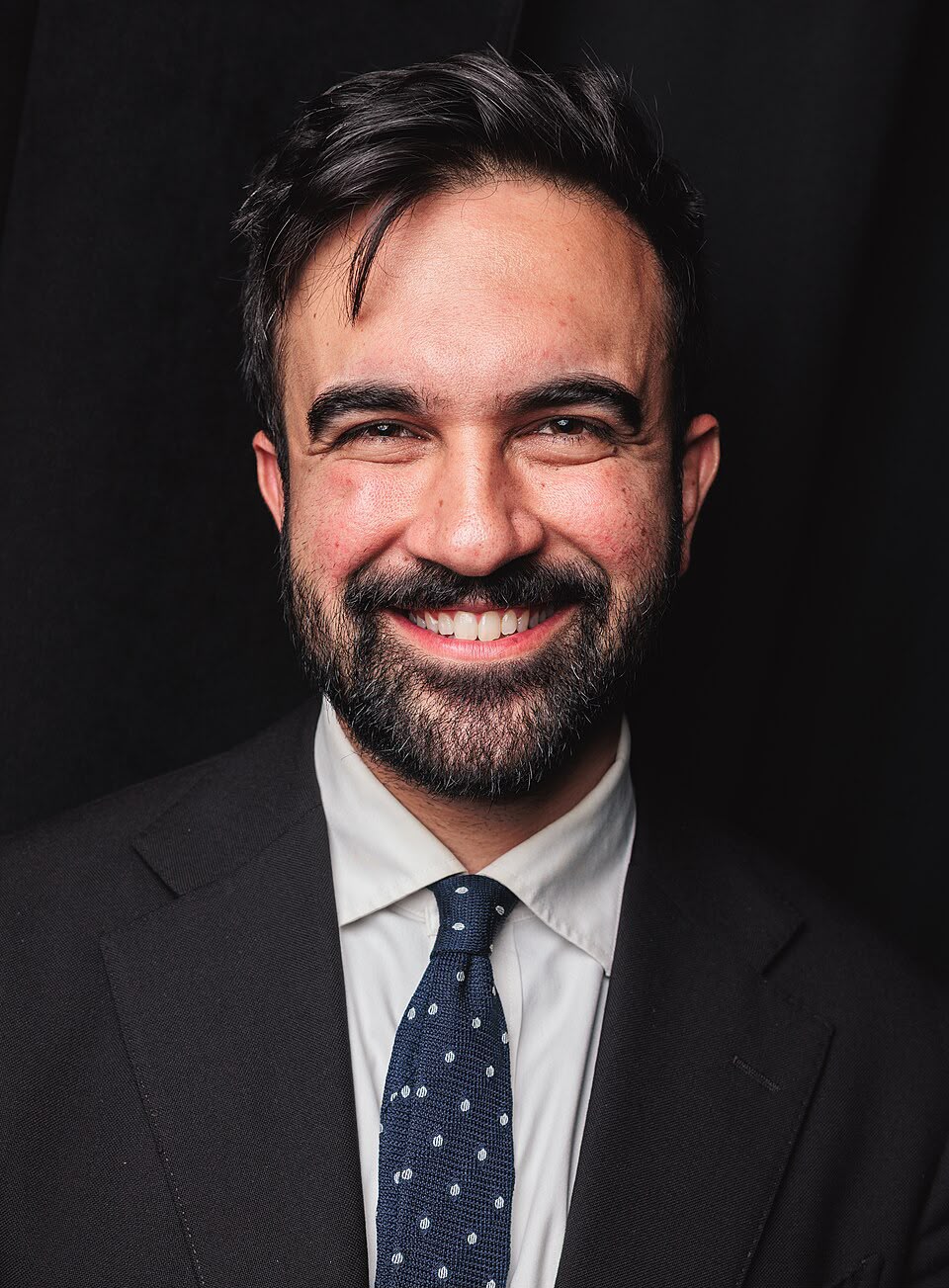
The situation is particularly awkward for Telegram founder Pavel Durov, who has repeatedly rejected claims that the company is influenced by the Kremlin. Durov left Russia in 2014 after refusing to comply with demands to share user data at his previous company, VKontakte, and has since positioned Telegram as a privacy-focused platform resistant to state interference.
Telegram is currently exploring a potential initial public offering, though those plans have been delayed amid ongoing legal proceedings involving Durov in France. Investors are closely watching both the sanctions issue and the legal case, as the company’s bonds include provisions allowing holders to convert debt into shares at a discount if an IPO goes ahead.
Despite these headwinds, Telegram’s financial performance has continued to improve. According to unaudited disclosures seen by the Financial Times, revenues rose sharply in the first half of 2025, driven by advertising, premium subscriptions and crypto-related income tied to the TON ecosystem. The company reported operating profits, though net results were affected by write-downs on its cryptocurrency holdings.
Telegram has told bondholders that it intends to repay the frozen bonds at maturity, with any actual payment to Russian holders dependent on how sanctions evolve. For now, the episode serves as a reminder that geopolitical risk can remain embedded in corporate balance sheets long after companies attempt to redraw their ties.