
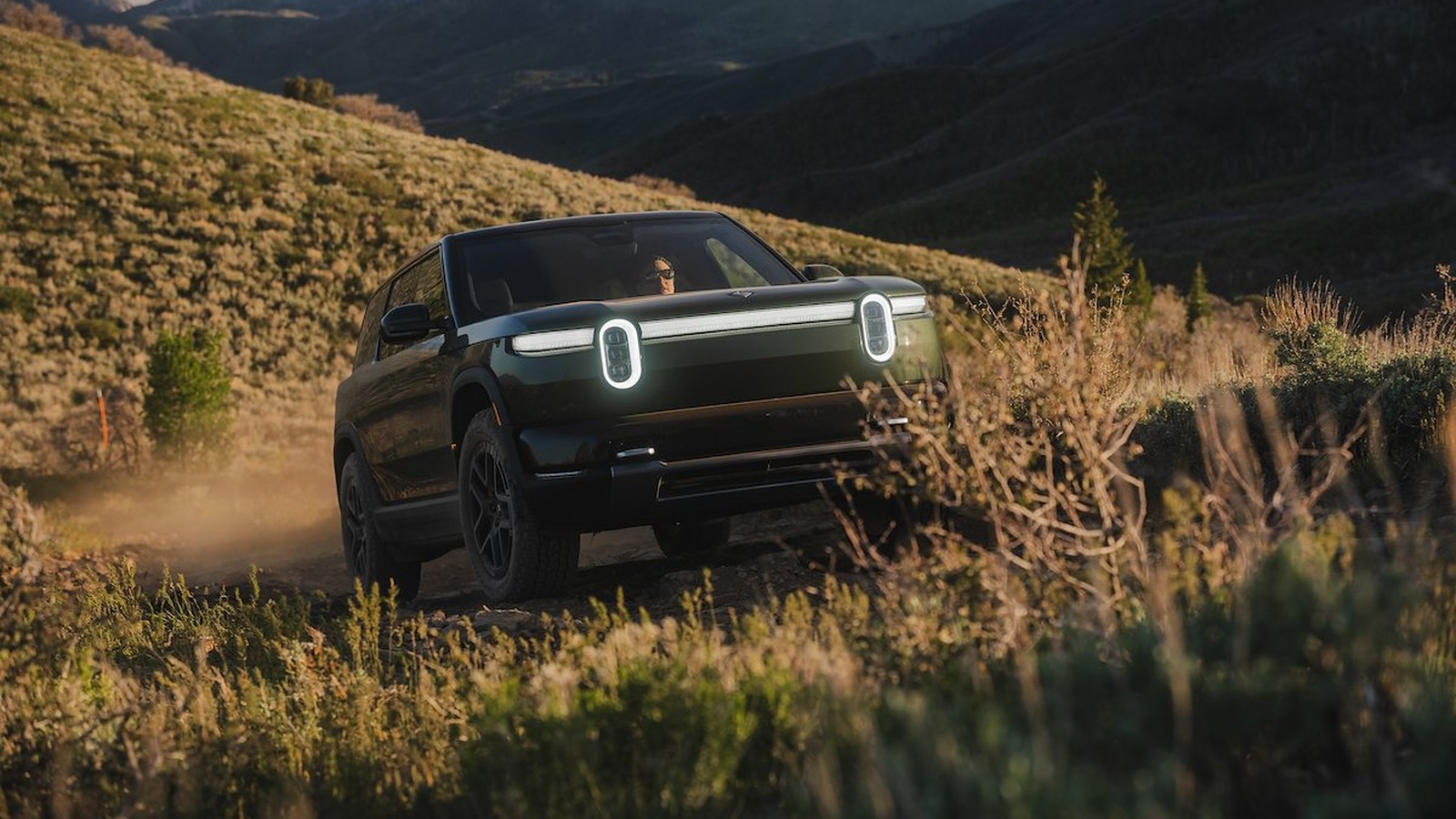


Rivian owners have filed a lawsuit alleging that the electric vehicle maker made false promises about the autonomous driving capabilities of its R1T truck and R1S SUV models. The class action complaint was lodged on Wednesday in the US District Court for the Central District of California, focusing on the first-generation models of the R1T and R1S.
The plaintiffs claim that Rivian misrepresented the vehicles' ability to perform hands-free driving, which is also known as Level 3 autonomy. This capability allows a vehicle to automatically handle steering, acceleration, and braking without the driver's hands on the wheel or eyes on the road in certain conditions such as highways or at low speeds.
The lawsuit alleges that Rivian falsely promised, over a five-year period and through a coordinated nationwide marketing campaign, that its Driver+ system would be standard in every vehicle it builds. The complaint cites Rivian CEO RJ Scaringe's appearance at TechCrunch Disrupt 2022, where he reportedly made representations about the company's autonomous driving ambitions.
Rivian has declined to comment on the lawsuit, citing pending litigation. However, the plaintiffs claim that the company knew its first-generation vehicles would never be capable of Level 3 autonomy and continued to tout their supposed capabilities to induce consumers to purchase them.
The lawsuit makes claims against Rivian for fraud, negligent misrepresentation, and unjust enrichment. It is not the first time an automaker has faced legal challenges over promises to deliver self-driving features – Tesla and its CEO Elon Musk have also been sued by owners who claim they were misled about the capabilities of its Full Self-Driving software.
Rivian's second-generation vehicles, which were revamped in 2024, do offer hands-free driving. The company equipped these vehicles with an advanced driver assistance system that includes 11 cameras, five radar sensors, and a computer that is 10 times more powerful than the previous system. A software update last year added "Universal Hands-Free" driving to second-gen R1 vehicles, allowing drivers to take their hands off the wheel on over 3.5 million miles of roads in the United States and Canada.
The lawsuit highlights the growing scrutiny faced by automakers over their promises to deliver self-driving features. Rivian's experience is a reminder that electric vehicle manufacturers must balance their marketing ambitions with the reality of their technology capabilities.