


Patients who stop taking obesity drugs regain weight almost four times faster than people coming off a traditional diet, according to new research that raises questions about the long-term effectiveness of medication-only approaches to weight loss.
The findings, published this week in BMJ medical journal, show that people who discontinue weight-loss drugs regain an average of around 0.4 kilograms per month, returning to their original weight in less than two years.
The study analysed data from 37 clinical trials involving more than 9,300 participants, comparing outcomes from pharmaceutical weight-loss treatments with behavioural programmes based on diet and physical activity. Researchers found that while drugs produced rapid initial weight loss, the benefits faded quickly once treatment stopped.
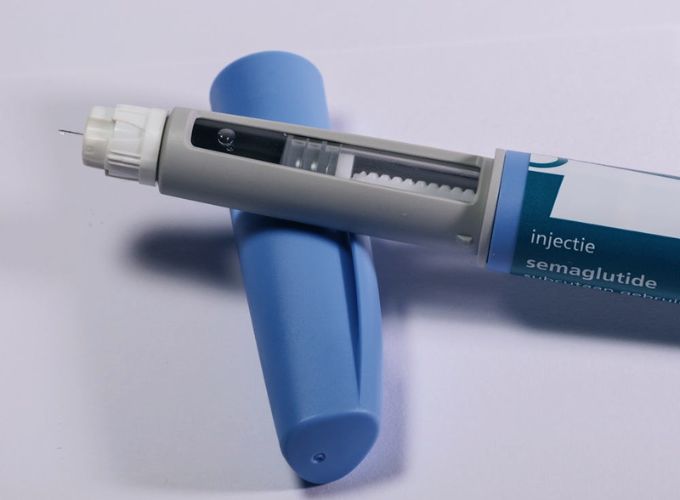
The rebound appeared even faster for newer obesity medications such as semaglutide and tirzepatide — the active ingredients in *Novo Nordisk’s Ozempic and Eli Lilly’s Mounjaro. Patients using these drugs were projected to return to their baseline weight in around 18 months after discontinuation.
The researchers noted that this is particularly significant given that around half of patients prescribed GLP-1 drugs stop using them within a year, often due to cost, side effects or access issues. The findings suggest that medication alone may not provide a durable solution for long-term weight management.
Beyond weight regain, the study also found that stopping obesity drugs led to the reversal of other health benefits achieved during treatment. Improvements in cholesterol levels, blood pressure and other cardiovascular and metabolic markers tended to diminish once medication was withdrawn.
In contrast, behavioural weight-management programmes focused on sustained lifestyle changes — such as calorie reduction and increased physical activity — were associated with slower and more gradual weight regain. While these approaches typically result in less dramatic initial weight loss, their effects appeared more durable over time.
Experts say the results should not come as a surprise. Obesity is increasingly viewed as a chronic condition, and many researchers argue that stopping treatment — whether pharmaceutical or behavioural — is likely to lead to relapse.
With nearly two billion adults worldwide affected by obesity, the study adds to growing debate about how weight-loss drugs should be used, funded and prescribed, and whether they should be seen as long-term therapies rather than short-term interventions.