


MeetInc.
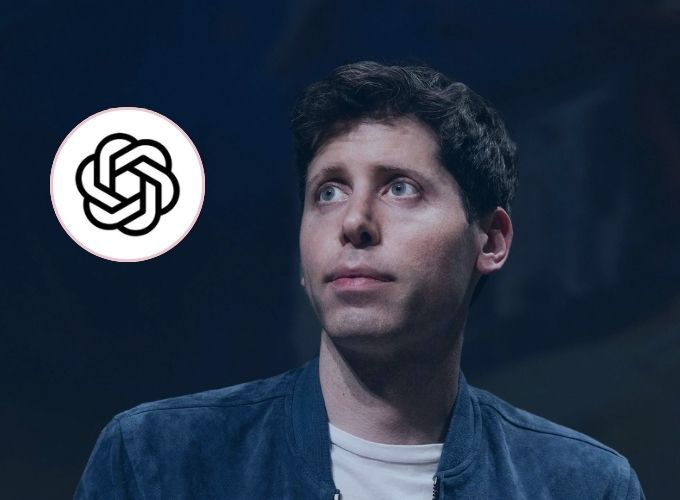
OpenAI CEO Sam Altman has announced that ChatGPT will soon allow a broader range of content — including erotica for verified adult users — as part of a shift toward what he called a “treat adult users like adults” principle.
The change, expected around December, comes after the company says it has successfully developed stronger safeguards to manage mental health–related risks.
“Now that we have been able to mitigate the serious mental health issues and have new tools, we are going to be able to safely relax the restrictions in most cases,” Altman said on X. “As part of our ‘treat adult users like adults’ principle, we will allow even more, like erotica for verified adults.”
Altman said the company had initially made ChatGPT “pretty restrictive” to avoid potential harm but now feels ready to allow more personalisation and creative freedom. In the coming weeks, users will also be able to adjust the chatbot’s tone and personality — from professional and restrained to expressive or conversational — according to their preferences.
The decision is expected to reignite debate about the regulation of AI companions and the boundaries of acceptable content in generative systems. U.S. lawmakers are already considering restrictions: Senator Josh Hawley is reportedly circulating a draft bill that would ban AI companions for minors.
While Altman did not specify what form erotica-related content would take or how OpenAI would verify adult users, the company’s move aligns with a broader pattern in technology history — where adult entertainment has often driven the adoption of emerging media, from VCRs to streaming video.
Competitors such as Elon Musk’s Grok have already permitted sexual role play in their AI companions, while Meta has faced criticism after reports that its chatbots — including those modelled after celebrities — engaged in inappropriate conversations with minors.
For OpenAI, the shift reflects a growing emphasis on user autonomy and customisation as it expands its paid ChatGPT services. But it also poses fresh regulatory challenges in balancing creative freedom with safety and ethical oversight in AI systems.
You Might Also Like

Latest Article
NSO Report Finds That Malta’s Research And Development Expenditure Reaches €140.2 Million In 2024
NSO report finds that Malta invested €140.2 million in research and development (R&D) during 2024, marking a significant increase of €19.2 million compared to the previous year. The total expenditure represented 0.6% of the country’s Gross Domestic Product (GDP), reflecting continued investment in innovation across multiple sectors. The NSO data shows that Basic Research accounted … Continued
|
28 July 2026
Written by Kim Vucinovic Cutajar

MUSK’S NET WORTH FALLS BELOW $700BN AS SPACEX SHARES DROP A FURTHER 4.8%
|
28 July 2026
Written by Yannick Pace

JOHNSON & JOHNSON AGREES $5.5BN SETTLEMENT OVER TALC CANCER LAWSUITS
|
28 July 2026
Written by Yannick Pace