

Only one in three family businesses in Malta has a written succession plan, advisers warned at a Malta Business Network panel in Valletta, cautioning that informal trust cannot do the work of proper governance.
The warning drew on a survey of 150 family firms. Of those, 142 had grown their turnover but half said profits had flatlined. Some 83% reported a working board, half had independent directors and dividend policies were becoming more common. The figures were presented at the Malta Chamber of Commerce.
Chamber president William Spiteri Bailey opened the event, calling family firms a central part of the economy and arguing they must be ready for both the present and the future. The management playbook of the past two decades he said, would not carry businesses through the next two.
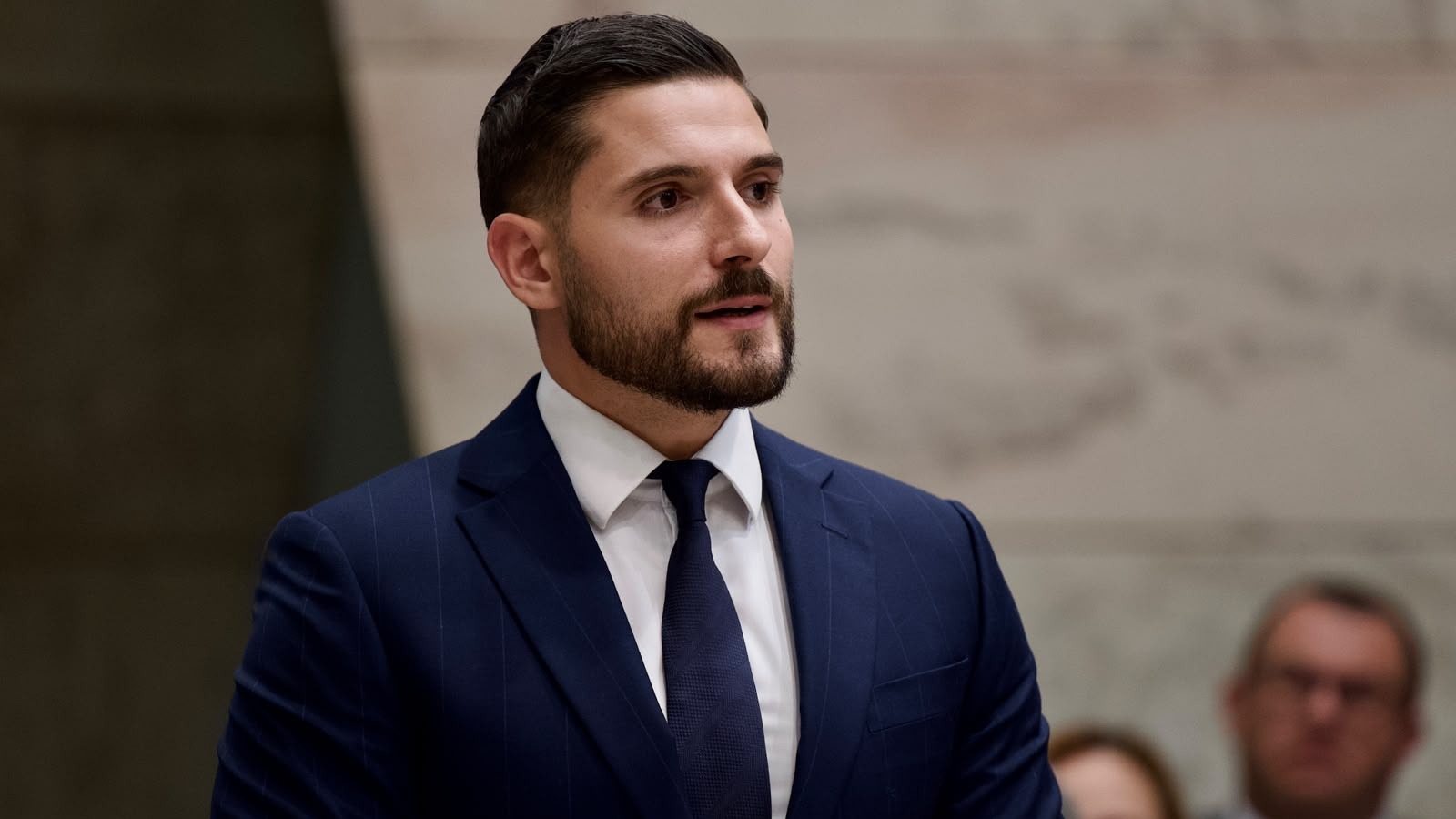
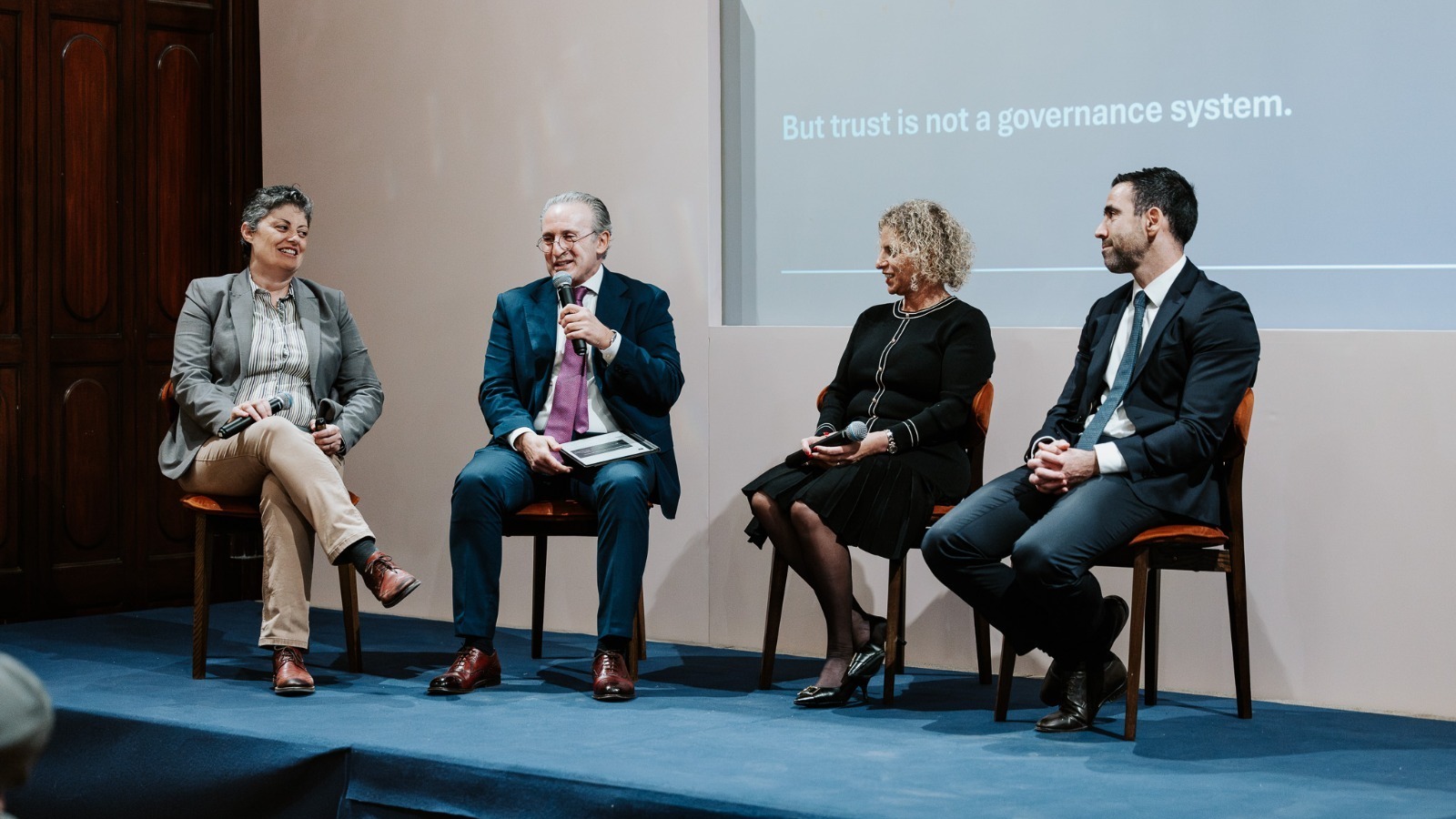
Former Chamber president Marisa Xuereb moderated the panel, which featured professional director and former chief executive Franco Azzopardi, Vassallo Group chairperson Nathalie Briffa Farrugia and Camilleri Preziosi partner Andrew Caruana Scicluna.
Briffa Farrugia traced the Vassallo Group transition, which got under way in 2021 after her father stepped down, though she said the real preparation had started long before. Family members become shareholders at 18 and there are now seven of them. A founder tends to do everything, she said, so handing over means spreading responsibility more widely. “The test of your success is if the company keeps going when you are not there,” she said, adding that owners must learn to let go of executive roles and think as shareholders.
Azzopardi, a former president of the Malta Institute of Accountants, put it bluntly: family businesses run on trust, but trust is not governance. He recalled pushing one company to restructure as though it were listed, rewriting its memorandum and articles so an owner who wanted out could leave cleanly. The board, he said, should always be the starting point and paying relatives more than staff only drives good employees away. Articles, he noted, are drafted while everyone agrees and only tested the moment someone falls out. A family charter may be full of heart he added, but the real question is whether it has teeth.
Caruana Scicluna said Malta’s family office framework works for both overseas families and local firms, describing a structure that runs from beneficiaries through a private trust company into a SICAV and its sub-funds. Non-prescribed funds are taxed at zero, a route he said suits wealth above five million euros once operating costs of around 75,000 euros are factored in. Trouble arrives he said, where there is no successor or the next generation is too splintered to agree.
Briffa Farrugia said emotions ran high in family firms and that consultants could help shoulder some of that weight, which might explain why certain heirs show little enthusiasm for stepping in. From the floor, Pier Massa said a strategy without a plan for change was just paper.
Closing out, Azzopardi said a budget was not a strategy and that non-executive directors obsessed with compliance added little until they helped a family break free of day-to-day firefighting. The Malta Business Network’s November session will look at the trends and outlook for Malta’s supermarket sector.