
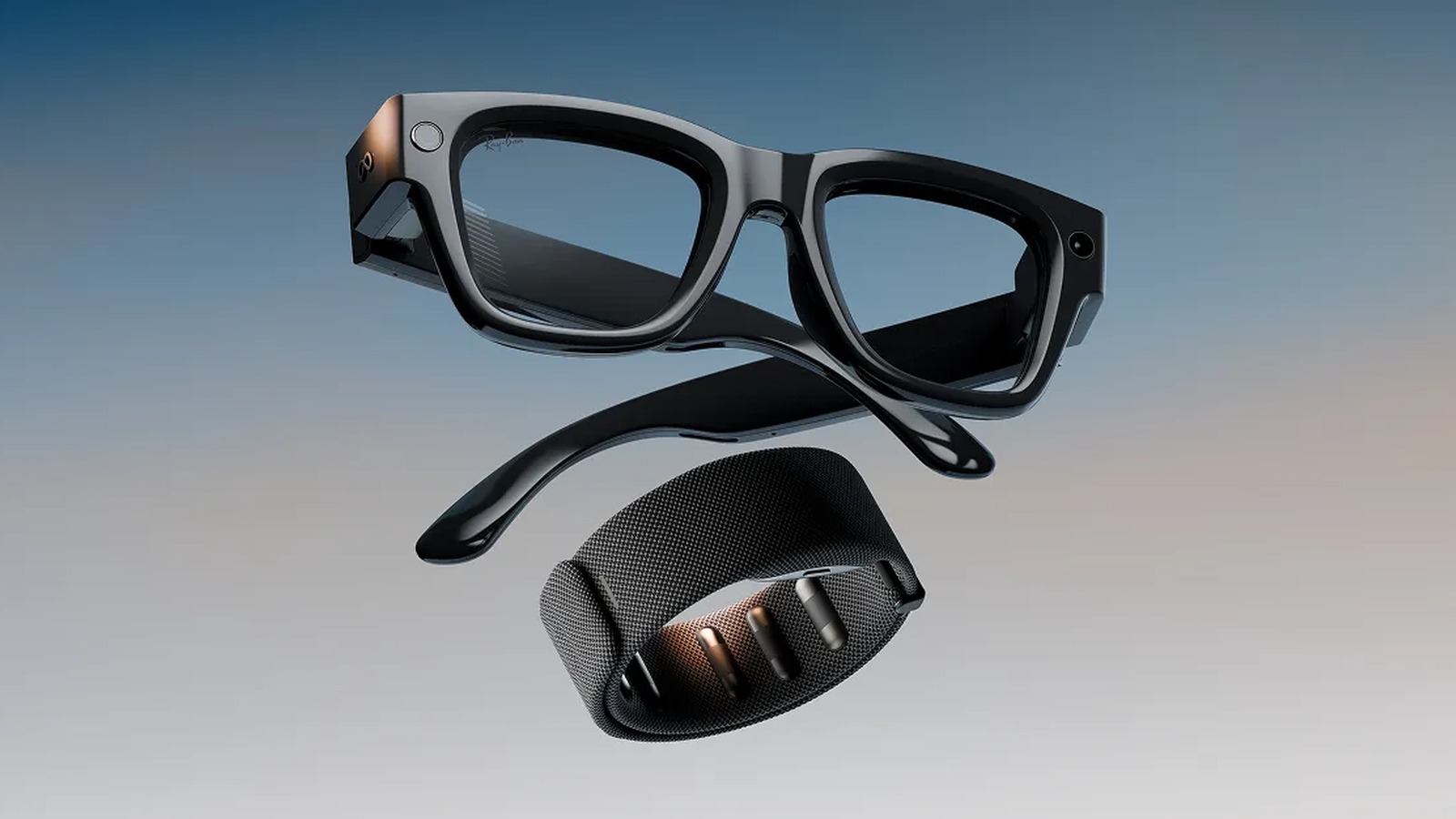


His Majesty’s Courts and Tribunals Service has banned Meta smart glasses from all criminal, civil and family courts in England and Wales, with any pair brought into a judicial building to be confiscated on entry and returned only when the owner leaves.
The move follows growing concern over the glasses’ capacity to record video covertly while worn, with backlash spreading across restaurants, theatres and pubs in the UK and courts in New York announcing a comparable prohibition last month.
Clear restrictions already exist on taking images or video within courts and tribunals and that Meta glasses fall squarely within that prohibition. Smartphones remain permitted inside court buildings, but strictly on the understanding that they will not be used to record proceedings. Capturing images or footage without official permission in a UK court is a criminal offence that can be prosecuted as contempt of court.
The announcement follows a notable incident earlier this year in which a claimant was accused by a high court judge of wearing smart glasses during cross-examination and receiving coaching through them while giving evidence. The individual denied the allegations.
In February, members of the security detail for Meta chief executive Mark Zuckerberg were observed wearing the glasses during a high-profile trial in California concerning social media addiction. The presiding judge warned the guards they risked contempt of court if any footage had been recorded.
Privacy concerns have been building for some time, particularly around the glasses being used to film people without consent. Critics have labelled them “pervert glasses” and venues including Wetherspoons have already moved to exclude them. Meta has noted that a pulsing light is visible when the glasses are recording and that tamper-detection technology is designed to prevent users from obscuring it, though the company declined to comment directly on the court ban.
The glasses sell for between £269 and £469 and shifted around seven million units globally last year. Whether the HMCTS ruling prompts further institutional bans across other public settings in the UK is now the more immediate question for the industry.