


MeetInc.
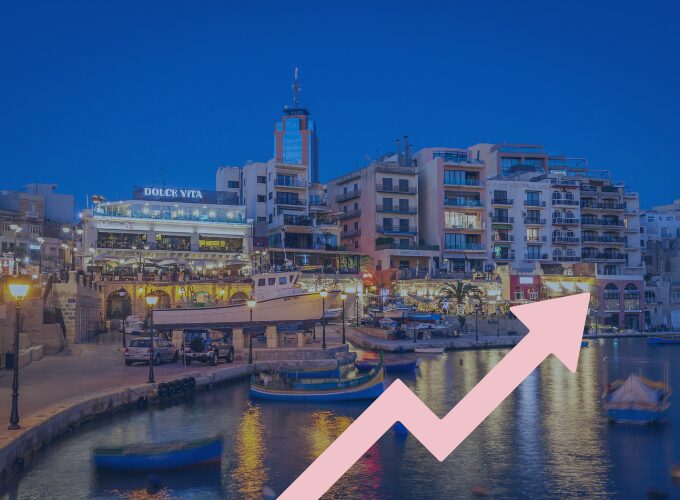
Malta’s property market continued its recovery in 2024, with €3.5 billion worth of transactions and a 3.4% increase in sales — but concerns around sustainability, regulation and construction standards remain, according to the latest edition of The Malta Property Landscape report.
The fourth edition of the report, produced by Grant Thornton Malta in collaboration with Dhalia, was launched this week at a dedicated conference featuring key players in the sector. Covering data from 2013 to 2024, the report traces long-term trends in both the residential and commercial markets while highlighting pressing policy gaps.
Apartments continue to dominate both new supply and existing housing stock, with the Northern Harbour and Northern regions showing the most activity. Analysts attributed growth to a range of factors including population growth, tourism, low interest rates and sustained investor interest. First-time buyer schemes and incentives for properties in Urban Conservation Areas have also helped fuel demand.
But despite the upbeat figures, the report flags deeper structural issues that could undermine future stability — including concerns over build quality, a lack of mandatory construction standards, and the need for energy-efficient retrofitting.
Experts are calling for tighter enforcement, centralised regulation and greater transparency through building logbooks and EPCs. “As we set the direction toward Vision 2050, we must build on the progress achieved and embrace bold, forward-thinking initiatives,” said Justice and Construction Reform Minister Jonathan Attard at the launch.
Dhalia CEO Adrian Grech added that the report’s strength lies in pairing national data with insights from the agency’s frontline operations. “Every datapoint reflects conversations with buyers, sellers and tenants,” he said. “Our goal is a transparent, sustainable and responsive property market.”
Two panel discussions at the event addressed the rental market and long-term future of property in Malta, with both sessions spotlighting the growing role of technology. AI-powered pricing, virtual tours and advanced analytics are already helping investors, lenders and agencies adapt to a more complex and data-driven landscape.
As the country faces mounting pressure to meet EU energy and housing targets, the report argues that robust regulation, smarter design, and greater investment in digital solutions will be key to future-proofing Malta’s most valuable economic sector.
You Might Also Like
Latest Article
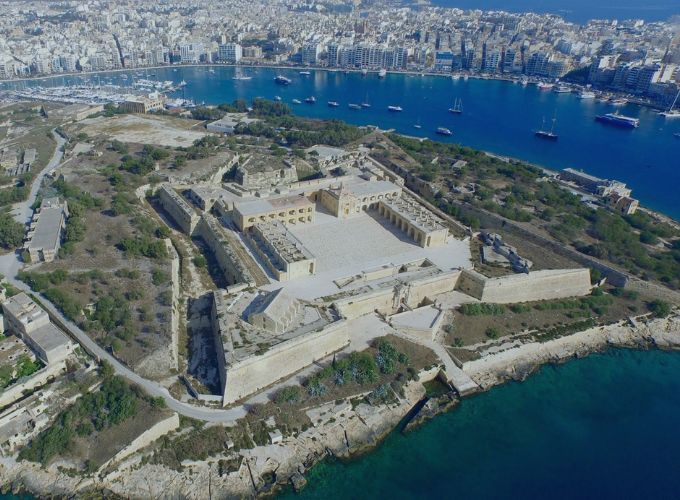
MIDI To Receive €43M As Manoel Island Concession To Be Rescinded
MIDI plc has reached an in-principle agreement with the Government of Malta to partially rescind its long-standing concession over Manoel Island and Fort Tigné, in a deal expected to result in a net payment of around €43 million to the company. The agreement would see the emphyteutical concession over Manoel Island and Fort Tigné terminated, … Continued
|
17 March 2026
Written by MeetInc.

Navigating Change In A Shifting Media Landscape
|
16 March 2026
Written by Chris Mifsud

Malta To Allow 16-Year-Olds To Open Companies Under New ‘Youth Enterprise’ Legal Framework
|
13 March 2026
Written by MeetInc.
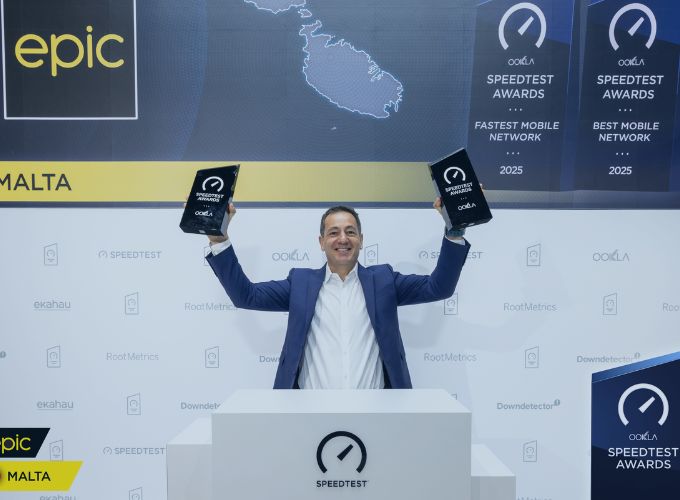
Epic Wins Malta’s Fastest Network Award At Mobile World Congress
|
13 March 2026
Written by MeetInc.