
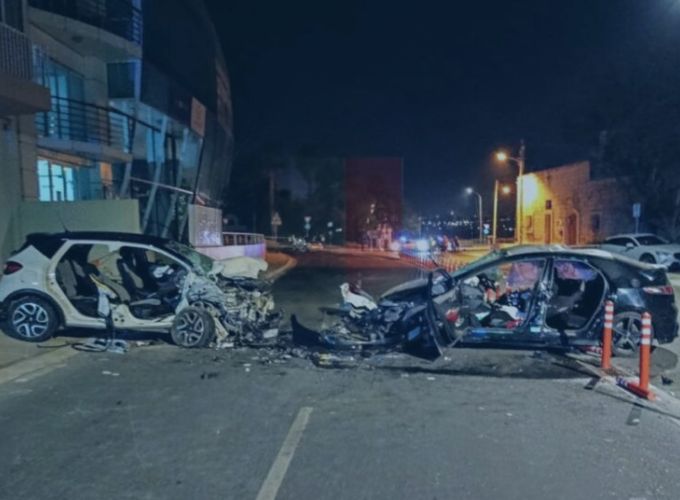


Malta’s insurers have warned that the government’s new National Alcohol Policy does not go far enough in addressing one of the country’s most persistent public safety challenges: drink-driving.
The Insurance Association Malta (IAM), which represents all insurance companies operating on the island, welcomed the policy’s release for public consultation but expressed concern at what it described as a lack of urgency and enforcement. The strategy was published 18 months later than originally planned and, unlike its predecessor covering 2018 to 2023, contains no dedicated section on drink-driving.
“With Malta still reeling from a tragic number of road fatalities, it is disappointing that proven measures, such as random breath testing and mandatory alcohol testing after accidents, remain absent,” the association said in a statement.
IAM has long argued that more stringent enforcement is essential not only to save lives but also to reduce the economic burden of accidents on both households and businesses. Insurers shoulder significant costs from alcohol-related crashes, which lead to higher payouts, increased premiums, and added pressure on the wider system. Stronger deterrents, they argue, would directly reduce claims and improve road safety in a way that benefits both the public and the insurance market.
The association pointed to the policy’s own data showing that alcohol consumption in Malta rose by 23 per cent between 2010 and 2019, at a time when European averages declined by a similar margin. Nearly half of Maltese adults aged 20 to 49 admit to drinking more than six glasses of alcohol a week, suggesting that high consumption levels cut across age groups.
IAM said that while education is important, it must be matched by credible deterrents if repeat offences are to be reduced. It has advocated for measures already adopted in other European countries, such as random roadside checks, mandatory reporting of driving-under-the-influence cases to insurers, and the introduction of alcolock devices that prevent a vehicle from starting if the driver is over the limit.
The insurers also stressed the importance of practical alternatives, such as subsidised taxi services during major events, to give people safer options. They argued that without a balance of education, deterrence, and alternatives, the new policy risks being remembered as another missed opportunity.
“Educating drivers on the risks is vital, but it must be matched by strong deterrents that make repeat offences far less likely,” IAM said, warning that drink-driving will remain a preventable but deadly threat on Malta’s roads unless the policy is strengthened.