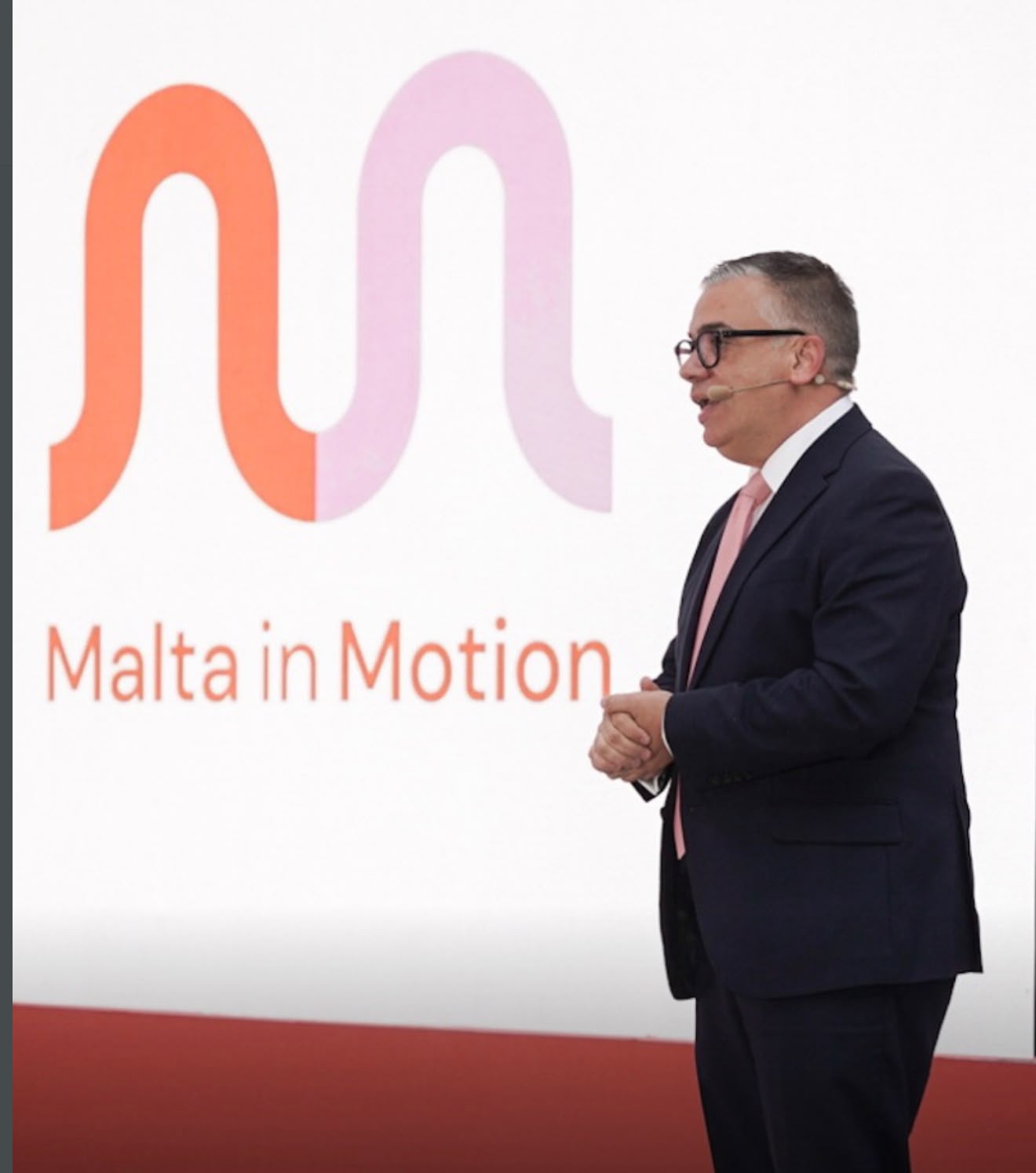


The government intends to set up a dedicated agency during 2027 to deliver Malta in Motion, Transport Minister Chris Bonett told parliament on Tuesday.
A project on this scale, which brings together different modes of transport and runs over several years, needs continuous coordination, Bonett said. The agency would oversee a programme that ties together buses, ferries, walking, cycling, parking and a proposed rail service.
One idea the government is exploring is building larger car parks on the outskirts of towns, linked to circular bus routes that serve their centres. Under that model, visitors would leave their cars at the edge of a town in a designated car park and take a local bus for the rest of the journey.
Bonett pointed to Marsaskala as one of the first places where the approach could take shape. He said a car park was being built near the Family Park, where visitors would be able to catch the town’s existing circular bus and he referred to a planned fast ferry service for the area. Bonett has previously described the work in Marsaskala as part of a broader regeneration of the town, with several other infrastructural interventions under way, including the reconstruction of the arches area to improve safety.
Malta in Motion is the government’s wider transport plan, launched at a national conference after months of consultation with the public and experts, which Bonett described at the time as a national shift in how people move.
The Ministry for Sustainable Mobility has since opened a public survey called Your Journey, Your Say, inviting people across the Maltese Islands to describe how they actually get around. Bonett has argued that input from the public is central to keeping the plan grounded in daily life.
“Malta in Motion is a plan that aims to make a real difference in people’s lives, and that is why we want people to be part of this process,” he said.
The plan has not been without criticism. Nationalist figures have pointed to the cost of congestion, citing government documents that put the price of traffic at €770 million in 2025 or 3.1% of GDP, rising to €900 million a year by 2030.