


The US Federal Reserve has cut interest rates to their lowest level in three years after a tense and divided meeting that revealed widening fractures inside the central bank over how to balance cooling inflation with a softening labour market. The Federal Open Market Committee voted to reduce the benchmark rate by 0.25 percentage points to a range of 3.5% to 3.75%, marking its third consecutive cut and broadly matching market expectations.
The decision came amid conflicting signals in the US economy. Policymakers acknowledged that “downside risks to employment rose in recent months” as hiring slowed and the jobless rate edged higher, while at the same time warning that inflation remained “somewhat elevated” and still above the Fed’s 2% target. Markets initially welcomed the move, with the S&P 500 closing 0.7% higher and Treasury yields falling.
However, the vote underscored significant discord within the Fed. Three of the twelve voting members dissented — the largest internal revolt since 2019. Chicago Fed President Austan Goolsbee and Kansas City Fed President Jeffrey Schmid favoured holding rates steady, while governor Stephen Miran, a close ally of President Donald Trump, argued for a deeper 0.5-point cut. Several non-voting officials also signalled in the Fed’s “dot plot” projections that they would have preferred no change at all.
The political backdrop added further pressure. Trump, who has repeatedly criticised Fed Chair Jay Powell, said the central bank should have cut rates “at least double” and described Powell as “a stiff”. The president has begun interviewing candidates to replace him when his term ends in May 2026, with Kevin Hassett widely viewed as the frontrunner.
Powell, meanwhile, suggested the bar for additional rate cuts in 2026 is high. He noted that interest rates are now “within a broad range of estimates of [their] neutral value”, adding that policymakers are “well positioned to wait to see how the economy evolves”. The latest projections show officials expect just one more quarter-point cut next year, though views vary sharply: one member expects six, while three anticipate that rates could even rise.
The Fed also announced steps to support liquidity in money markets, confirming it will resume purchases of short-term Treasuries and halt further balance-sheet reductions.
The debate is likely to intensify in the months ahead. Doveish officials argue that labour-market weakness is more alarming than headline unemployment suggests, while hawkish members warn that persistent services-sector inflation limits the room for further easing. With the economic outlook uncertain — and presidential pressure mounting — the Fed enters 2026 with its most divided leadership in years.
You Might Also Like
Latest Article
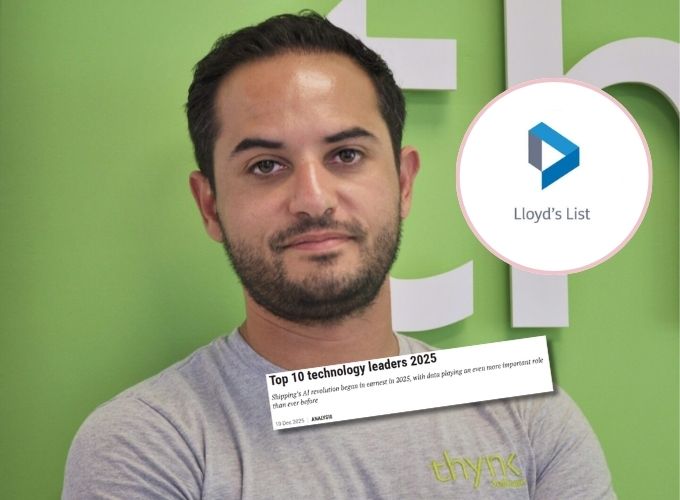
Marlon Grech Ranked Among Lloyd’s List’s Top 10 Global Technology Leaders For 2025
Maltese technology leader Marlon Grech has been ranked eighth in Lloyd’s List’s prestigious Top 10 Technology Leaders for 2025, placing him among the most influential figures shaping the future of global shipping. Grech, who serves as Chief Product and Technology Officer at maritime vetting and sustainability platform RightShip, makes his first appearance on the annual … Continued
|
12 December 2025
Written by MeetInc.

St Thomas Hospital Boosts Emergency Department With New 24/7 Service
|
12 December 2025
Written by MeetInc.

Mediterranean College Of Sport Showcases Malta To Chinese Students Via TikTok During Shanghai Visit
|
12 December 2025
Written by MeetInc.