

Europe must move faster to regulate artificial intelligence and prepare its workforce for its impact, according to new findings presented at a major EU conference on the future of work.
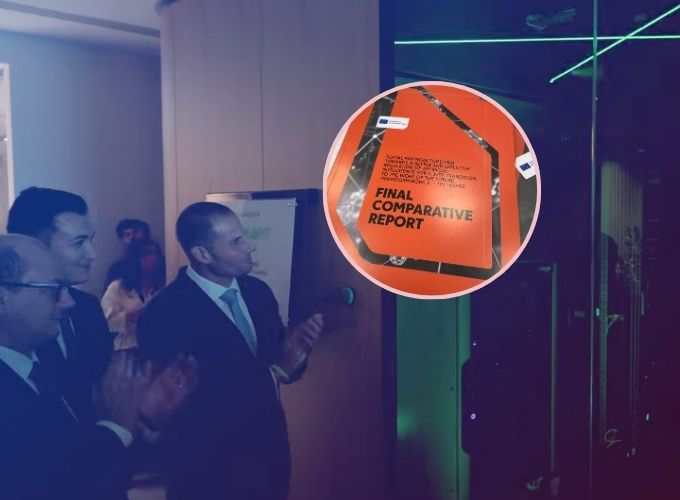
The conclusions form part of the final comparative report of the TransFormWork 2 project, presented this week at a conference in Sofia attended by policymakers, employers and worker representatives from across the European Union, including The Malta Chamber of Commerce, Enterprise and Industry.
The report outlines a clear warning: while the EU has already established a strong regulatory foundation for artificial intelligence — including the recently adopted AI Act — implementation remains uneven and too slow to keep pace with technological change.
According to the findings, existing EU frameworks provide a “blueprint for trustworthy AI”, emphasising transparency, ethics and inclusion. However, without faster adoption at national and company level, AI risks widening inequalities, eroding trust and undermining competitiveness.
A central theme emerging from the discussions is the importance of maintaining the “human in control” principle, ensuring that AI systems support — rather than replace — human decision-making in the workplace.
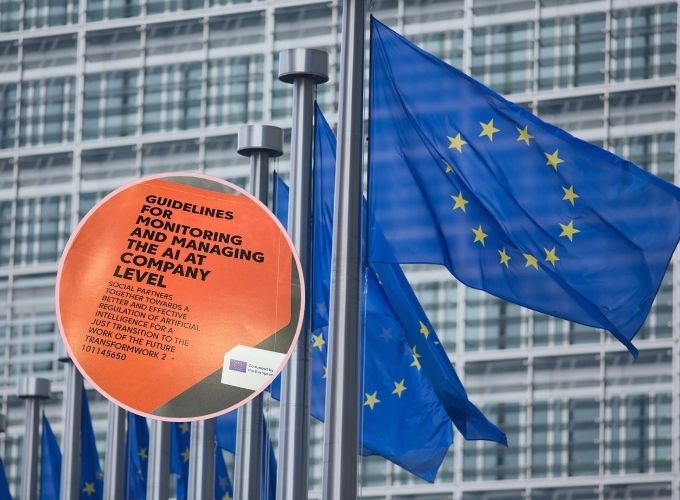
The report sets out a series of recommendations across three levels: EU, national and company.
At EU level, it calls for the launch of a 2026–2030 Social Partners Action Programme on AI, including dedicated funding for reskilling and upskilling through EU instruments such as ESF+. It also proposes extending platform work protections to AI-driven systems across sectors.
At national level, governments are encouraged to introduce AI charters by 2027, promote collective bargaining provisions that address AI deployment, and establish tripartite observatories to monitor the impact of algorithmic systems on employment.
The recommendations also stress the need to significantly increase investment in workforce training, ensuring employees are equipped with the skills required in an AI-driven economy.
At company level, the report highlights the importance of awareness and compliance. Organisations are urged to carry out AI impact assessments before deployment, ensure alignment with GDPR and other legal frameworks, and provide in-house or externally supported training for employees affected by AI adoption.
Underlying all recommendations is a broader call for stronger social dialogue — involving employers, workers and policymakers — to manage the transition in a coordinated and inclusive way.
The report warns that failure to act could lead to fragmented regulation across Europe and missed economic opportunities, at a time when global competition in AI is intensifying.
As discussions at the Sofia conference continue, the message is clear: Europe has laid the groundwork for responsible AI — but the next phase will depend on how quickly and effectively those principles are put into practice.
You Might Also Like

Latest Article
‘Job Market Catastrophe Is On The Way,’ Maltese AI Expert Tells European Work Conference
Artificial intelligence is already reshaping labour markets at a pace institutions are struggling to keep up with, with the potential for significant job disruption in the years ahead, according to warnings delivered at a European conference on the future of work. Speaking at the TransFormWork 2 conference in Sofia, Alexei Dingli said a “job market … Continued
|
27 March 2026
Written by Yannick Pace
Europe Urged To Accelerate AI Regulation And Workforce Reskilling
|
27 March 2026
Written by Yannick Pace

Malta’s Deficit Nearly Doubled In 2025 As Spending Outpaces Revenue
|
27 March 2026
Written by Yannick Pace