


The European Union is considering new rules that could force companies to diversify supply chains away from China, as Brussels steps up efforts to reduce strategic dependence on Chinese imports.
According to reporting by the Financial Times, the proposed measures would require companies in certain sectors to source critical components from at least three different suppliers rather than relying heavily on a single country.
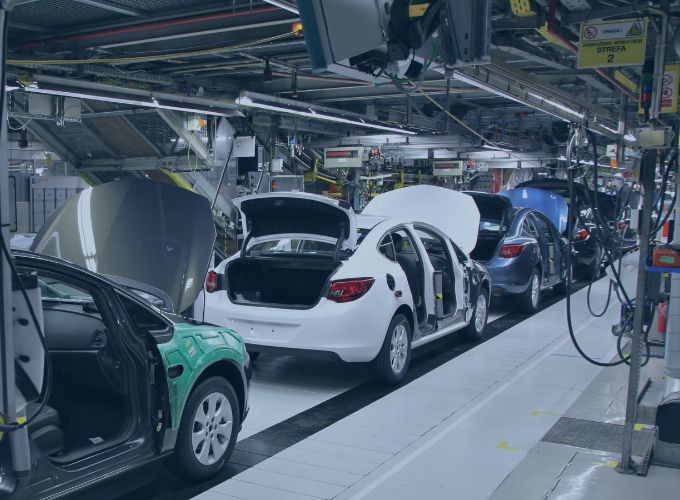
The plans are expected to target industries such as chemicals and industrial machinery, where European manufacturers have raised concerns about growing exposure to cheap Chinese imports and supply disruptions.
Under the proposal, companies would face limits on how much they can purchase from one supplier, with ceilings expected to range between 30% and 40%. Remaining supply would need to come from multiple alternative suppliers located across different countries.
The initiative forms part of a broader EU strategy aimed at reducing economic vulnerabilities and responding to what officials describe as the “weaponisation of trade”.
The issue gained urgency after China imposed export controls on rare earth magnets and other critical technologies last year, disrupting supply chains and temporarily affecting European manufacturing operations, including parts of the automotive sector.
Maroš Šefčovič is reportedly pushing for a stronger industrial response, including potential tariffs on Chinese chemicals and machinery imports, as the bloc seeks to address its widening trade imbalance with China.
EU officials say the proposals are still at an early stage and are expected to be discussed during a European Commission meeting focused on China later this month.
The measures would not be limited exclusively to China. Officials also pointed to broader supply concentration risks involving materials sourced from only a handful of countries, including helium and cobalt.
The debate reflects a wider shift in global trade policy, as governments increasingly prioritise resilience and strategic autonomy over pure efficiency.
Rather than relying on the lowest-cost supplier, policymakers are now placing greater emphasis on diversified and geographically balanced supply chains — particularly in sectors viewed as economically or strategically sensitive.
The proposals also come as European industries face growing pressure from Chinese manufacturing capacity and state-backed industrial expansion, which many EU companies argue is distorting competition.
If advanced, the measures could represent one of the EU’s most significant interventions yet into private-sector supply chain strategy.