
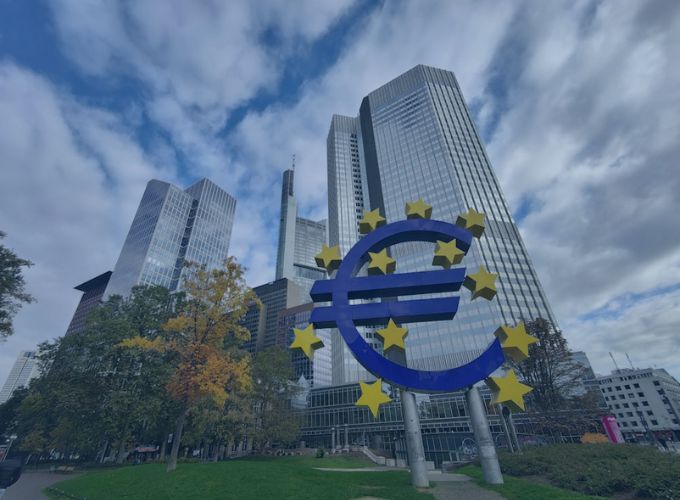


The European Union is accelerating plans for a digital euro after the United States passed landmark stablecoin legislation, according to reporting by the Financial Times. The move reflects growing concerns in Brussels and Frankfurt that the dominance of dollar-backed digital tokens could erode the euro’s role in global payments.
The US Congress last month approved the so-called Genius Act, providing a regulatory framework for the $288 billion stablecoin market, which is largely dollar-denominated. According to people close to the talks, the swift passage of the law has “rattled” European officials, spurring renewed urgency to develop a competing euro-based alternative.
The FT reports that policymakers are now weighing whether to issue the digital euro on a public blockchain, such as Ethereum or Solana, rather than the private, centralised systems previously envisaged. A public blockchain would allow for greater interoperability and global circulation, though it raises privacy concerns given that most transactions would be visible.
Supporters argue that a digital euro, backed directly by the European Central Bank, would give households and businesses access to secure public money in digital form as cash usage declines. It would also help safeguard the euro’s international standing, at a time when stablecoins such as those issued by Circle and Tether are increasingly embedded in financial markets.
ECB Executive Board member Piero Cipollone has previously warned that the promotion of US-backed stablecoins could result in euro deposits migrating abroad, strengthening the role of the dollar in cross-border payments and undermining Europe’s financial autonomy.
China has already rolled out trials of its own central bank digital currency, while the UK is considering a digital pound. Several euro-denominated stablecoins already exist, the largest being Circle’s EURC with a market cap of around $225 million, but an ECB-issued token would carry far more weight and signal the bloc’s commitment to digital money.
The ECB told the FT it is examining “different technologies — both centralised and decentralised — in the development of the digital euro, including distributed ledger technologies.” No decision has yet been taken on the final design.