
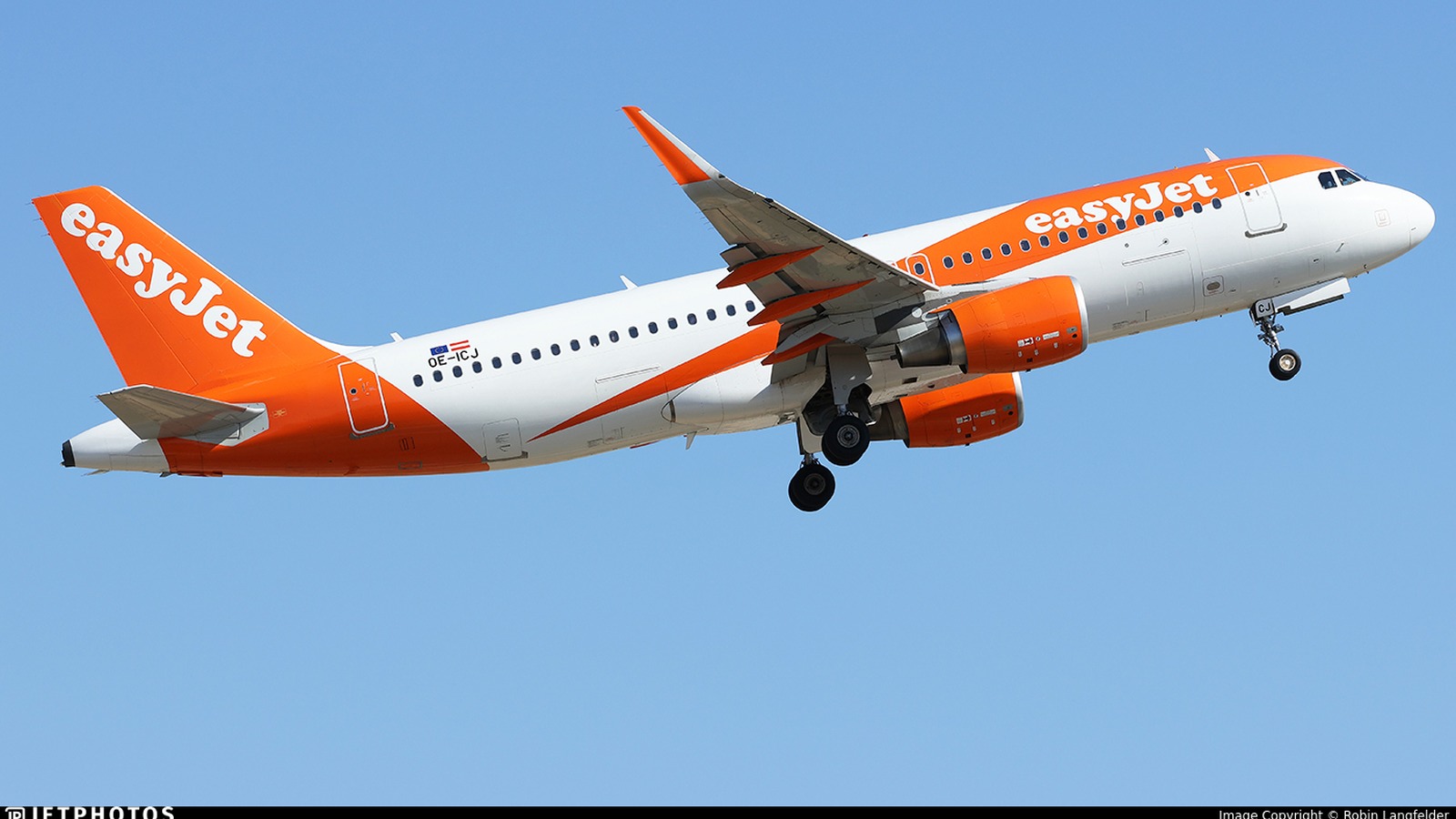


EasyJet has agreed to a £5.7 billion takeover by US private equity firm Apollo after rival bidder Castlelake withdrew from the contest, bringing months of uncertainty over the airline’s ownership to a close.
Castlelake had made a series of approaches for the carrier since late May, with EasyJet initially rejecting advances it described as undervaluing the business. The two parties eventually reached an agreement in principle in early July, only for Apollo to enter with a higher offer. Castlelake has since confirmed it is stepping back entirely.
Apollo also owns The Restaurant Group, the parent company of Wagamama. Under the terms of the deal, EasyJet shareholders will receive £7.15 per share. Apollo has described itself as highly supportive of the airline’s existing strategy and sees meaningful scope to accelerate its operational and commercial ambitions. The firm has committed to making no redundancies for at least 12 months following completion, though it acknowledged that a limited number of roles tied to maintaining a public-listed structure could be affected should EasyJet delist from the stock exchange.
EasyJet is one of Europe’s largest airlines, operating around 1,200 routes across 35 countries and employing more than 19,000 people. Founded by Sir Stelios Haji-Ioannou in 1995, the carrier launched its first flights from Luton to Glasgow and Edinburgh before expanding internationally the following year. The Haji-Ioannou family retains approximately 15% of the business and has signalled its intention to remain as long-term major shareholders under the new ownership structure.
That family stake could serve a practical purpose. EU regulations require EasyJet’s owners to be majority EU-based, and Apollo intends to satisfy that requirement by ensuring the Haji-Ioannou family and other EU-based shareholders hold around half of the business.
The transaction still requires regulatory approval. Investment analyst Danni Hewson of AJ Bell noted that while the offer represents a clear premium to where shares were trading before recent geopolitical turbulence, it remains well below the company’s pre-pandemic peak. She also flagged that losing another recognisable name from London’s public markets would be felt by retail investors who value familiar, accessible businesses.
Apollo’s framing is firmly growth-oriented rather than restructuring-led, and EasyJet’s leadership appears to have found that case persuasive. For an airline of this scale, the next chapter looks set to unfold away from public markets.