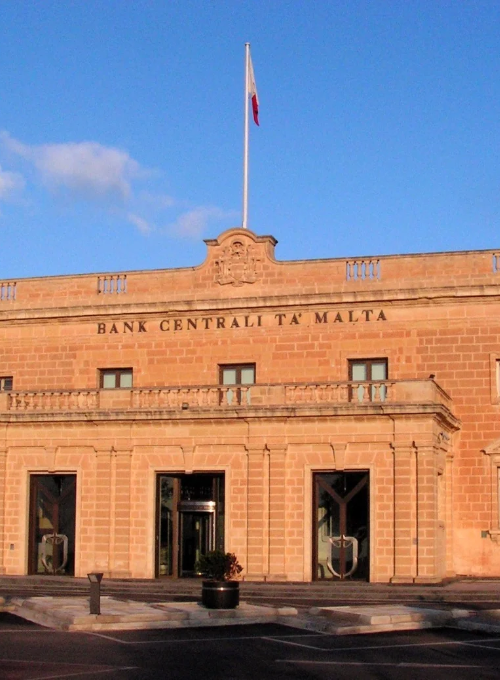


Economic activity in Malta is running a little below its long-run average, the Central Bank of Malta said in its October Economic Update, issued on 29th October. Its Business Conditions Index put September conditions beneath their long-term norm, and the rest of the figures told a patchy story.
Factory output ticked up in August, yet retail trade shrank in year-on-year terms. Services production edged higher in July, again measured against a year earlier, while tourism kept up a strong run through August. Consumer sentiment carried on improving in September, helped by households planning big purchases over the next year.
Property, after an unusually busy stretch on the supply side, has cooled in recent months. Commercial building permits were up on the previous month, but residential approvals slipped, and both sat below their levels of a year before. Demand softened too: final residential deeds and promise-of-sale agreements signed in September fell short of August and of the same month last year.
The jobless rate stayed put at 3.4% in August, level with July. Households grew more optimistic about work in September, with their unemployment expectations easing, a sign they foresee fewer people out of a job in the coming months.
Inflation on the Harmonised Index of Consumer Prices climbed to 2.4% in September, from 2.0% in August, though it stayed under the euro area figure. The Bank put that gap down to energy prices in Malta holding steady. On the Retail Price Index, inflation reached 2.9% in September.
The Consolidated Fund ran a surplus in August that was narrower than a year earlier, as government spending rose faster than revenue. Over the twelve months to August, growth in both residents’ deposits and lending eased from the pace recorded to July.
The Central Bank of Malta is the country’s national central bank within the Eurosystem. It served in that role from 1968 to 2007, issuing the Maltese lira before Malta joined the euro.