

Software and screening tools cannot carry the weight of sanctions compliance on their own, Bank of Valletta told local businesses at a webinar on recognising and managing international sanctions risk. Staff, the bank said, need to be ready to probe a transaction or a relationship the moment something looks off.
The session walked attendees through how sanctions filter into routine commercial activity, from payments and supplier arrangements to customer checks and cross-border trade. The aim was practical: help firms spot trouble early and handle international business with more assurance.
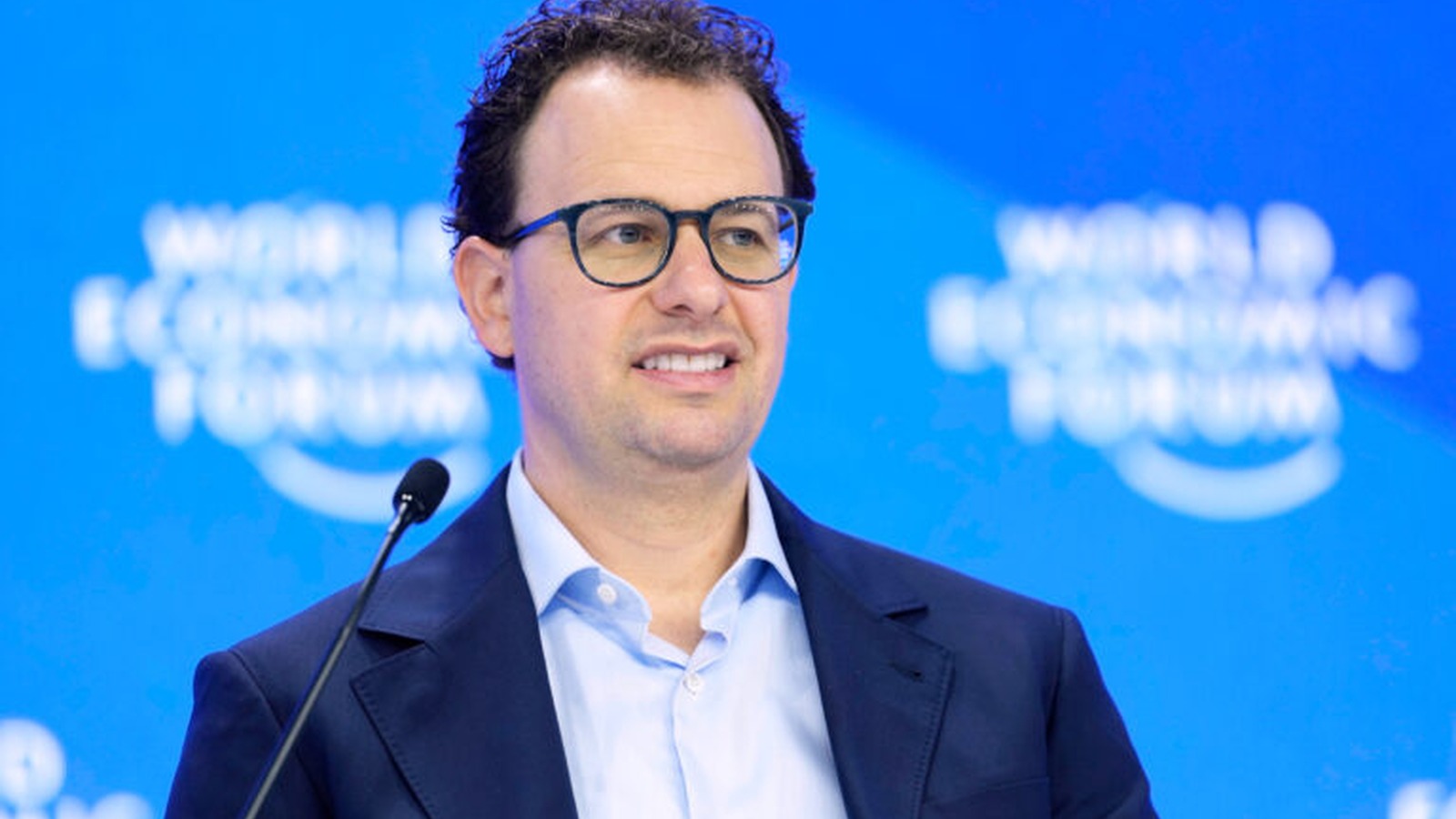
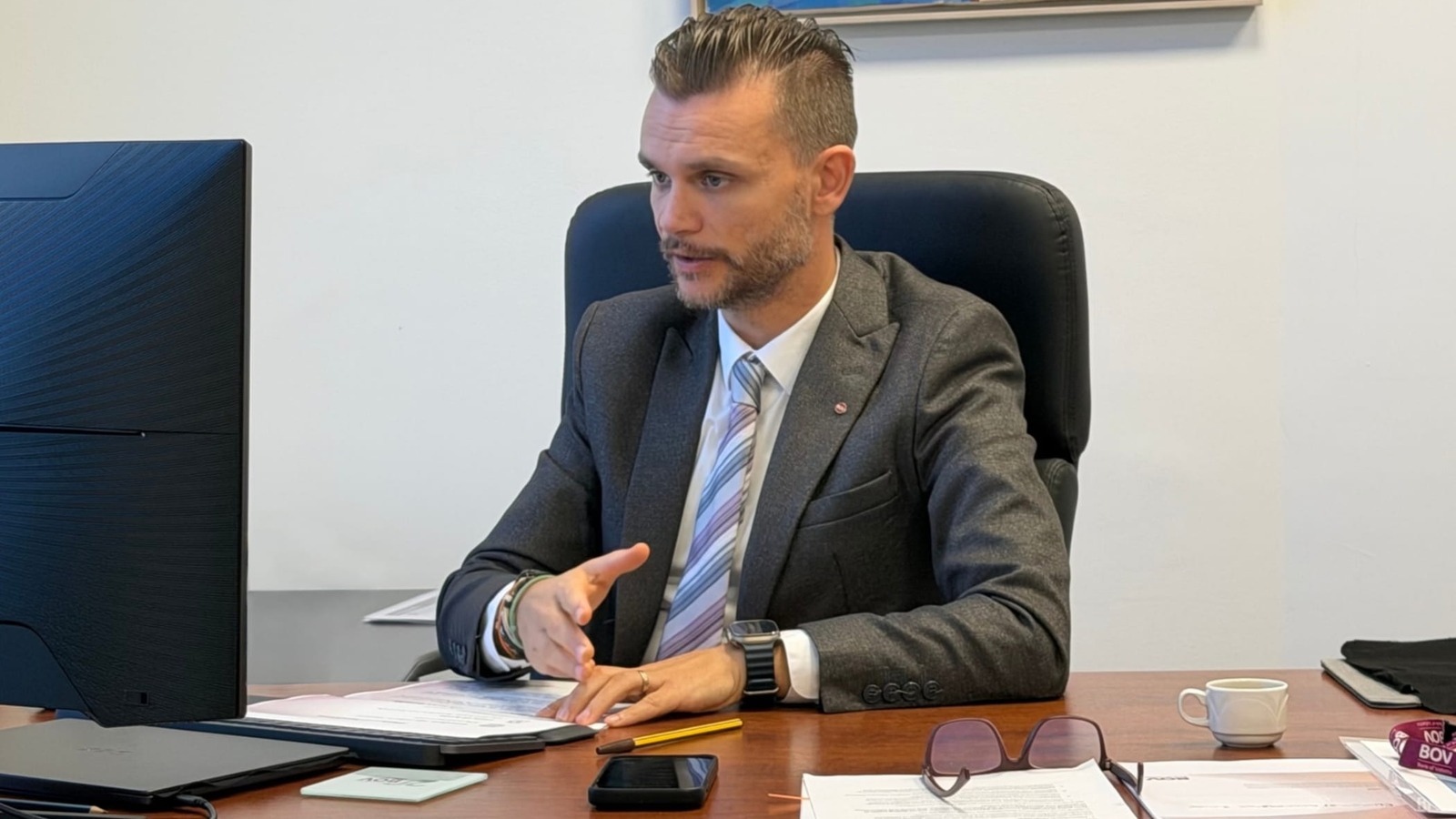
Two senior figures led the discussion. BOV Chief Executive Officer Kenneth Farrugia and BOV Group Chief Anti-Financial Crime Officer and MLRO Ryan Caruana took attendees through what companies should be weighing up as financial crime risks keep shifting.
Farrugia opened by making the point that sanctions reach far beyond the technical. Their consequences, he said, land on businesses and the broader public alike, flowing through international payments, trading relationships, imports and exports, investments and supply chains. That can mean a firm has to work out who really owns or controls a counterparty, where goods are heading, who will end up using them and whether anyone in the chain is acting as a go-between.
“This is why awareness, thorough checks and responsible decision-making are essential. Compliance systems and screening tools play an important role, but technology alone is not enough. Individuals and businesses must be prepared to ask the right questions, obtain sufficient information and seek appropriate guidance whenever a transaction or relationship raises concerns,” said Farrugia.
Caruana fielded questions from the floor, where many of those present came from the business community. He pressed organisations to keep an eye on updates from the European Union, the United Nations, the US Department of the Treasury’s Office of Foreign Assets Control, the Office of Financial Sanctions Implementation and the Malta Sanctions Monitoring Board and to track geopolitical developments that might touch their customers, their transactions or the jurisdictions they deal with.
Firms should know which sanctions rules apply to them and run solid controls to match, he said, pointing to customer and payment screening, escalation routes, risk assessments and staff training. When regulations or legislation change, policies and screening systems ought to move quickly to catch up and anything significant should reach management and the relevant stakeholders.
Caruana also set out the part played by sanctions compliance officers and MLROs, whose job is to keep institutions on the right side of the rules and clear of prohibited transactions or relationships. That work, he said, also shields an organisation from regulatory, financial and reputational damage.