


Berkshire Hathaway has added roughly 48 million Alphabet shares in the second quarter of 2026, expanding its stake in Google’s parent company by approximately 17 billion dollars and cementing Alphabet as the third largest holding in its equity portfolio.
Berkshire now holds close to 106 million Alphabet shares across both Class A and Class C classes, with the position currently valued at around 36.6 billion dollars. That puts it roughly 1.5 billion dollars ahead of Coca-Cola, though it remains well behind Apple at 69.7 billion dollars and American Express at 51.9 billion dollars.
The filing was submitted to the SEC after the market close on 14th August. Around 60 per cent of the newly added shares were acquired directly from Alphabet through a 10 billion dollar private placement announced by both companies in early June; the remainder appears to have been bought on the open market.
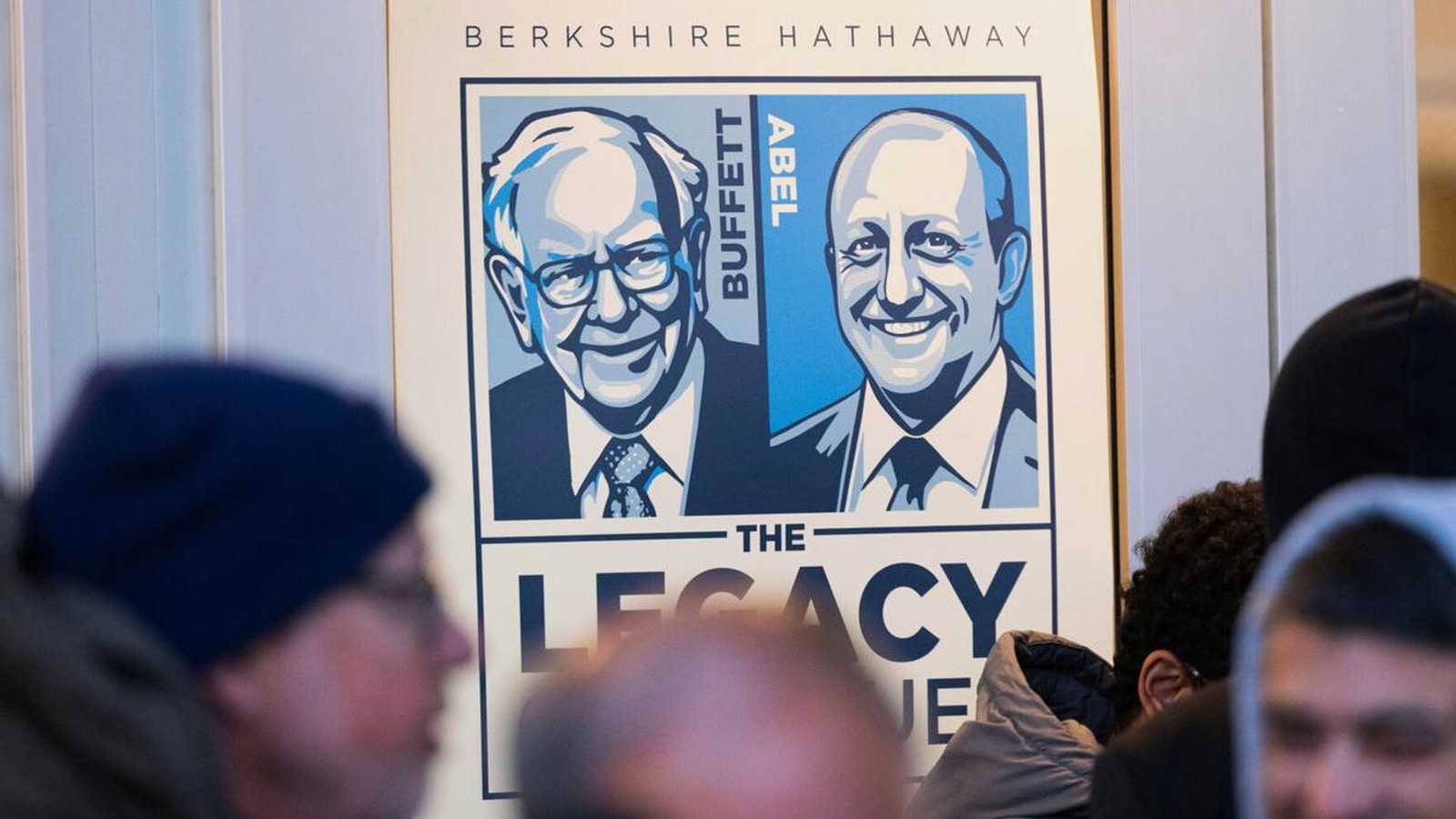
Chief executive Greg Abel also lifted Berkshire’s position in Delta Air Lines by 44 per cent to around 57.3 million shares, now valued at approximately 5.1 billion dollars. Delta had returned to the portfolio in the first quarter of this year, years after Warren Buffett exited airline holdings at a loss during the early months of the Covid-19 pandemic. Elsewhere, Berkshire added roughly 280 million dollars to its Lennar stake and increased its Macy’s holding by 142 per cent, though the absolute figure there was modest at around 100 million dollars.
Berkshire’s cash reserves stood at approximately 365.5 billion dollars as of 30th June, down eight per cent from the end of the first quarter.
On the disposals side, Bank of America was trimmed by just under six per cent, but the scale of that position meant the reduction amounted to around 1.7 billion dollars, making it the largest single dollar cut of the quarter. Capital One was reduced by 58 per cent, while Ally Financial saw a seven per cent trim.
Not everyone has greeted the flurry of activity warmly. Investor Michael Burry, widely known for anticipating the 2008 subprime mortgage crisis, published a critique on Substack in which he argued that his central anxiety about the post-Buffett era had materialised: that Abel would lack the discipline to wait for genuinely compelling opportunities rather than deploying capital under pressure. Burry stopped short of recommending a short position on Berkshire, but declared the company no longer an attractive investment in his view.
Berkshire shares slid more than three per cent across the week, even as the company confirmed it had resumed buybacks to the tune of 4.5 billion dollars during the quarter.