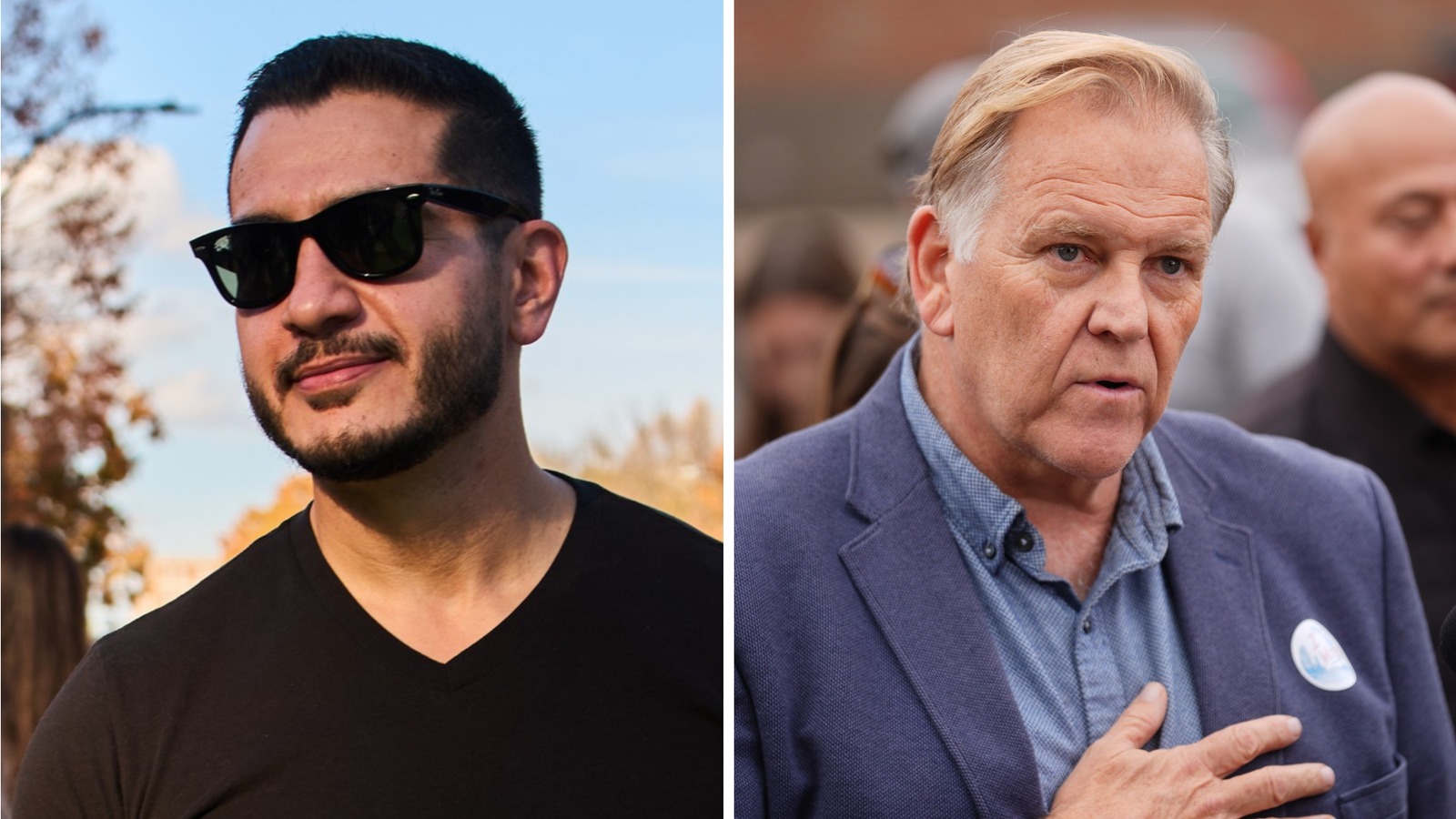


Abdul El-Sayed has won Michigan’s open US Senate seat, defeating Republican Mike Rogers in one of the most closely watched races of the 2026 midterms. The Democrat will serve a six-year term starting in 2027 and becomes the first Muslim elected to the Senate.
El-Sayed, a former Wayne County health director, ran on an openly progressive platform built around universal healthcare, wagering that the agenda could carry a state Donald Trump won two years earlier. He first had to survive an expensive and bruising Democratic primary, edging past establishment-backed Representative Haley Stevens on 4th August.
The seat opened when two-term Democratic Senator Gary Peters announced his retirement, a rare vacancy that turned Michigan into a focal point in the national fight for control of the chamber. Since the August primary the race pulled in well over $100 million in advertising. Democrats needed to pick up four seats to take the majority and any loss could have put that out of reach. No Republican had won a Senate race in the state since 1994.
The contest stayed bitter to the end. Republicans repeatedly tried to tie El-Sayed to terrorist organisations despite no evidence and Trump called him a “jihadist” on several occasions. On his final day of campaigning, El-Sayed told supporters: “When they come for our union rights, we won’t back down. When they come for our healthcare, we won’t back down. When they come for our public schools, we won’t back down.”
Rogers put the stakes to his own voters in different terms. “Our base is fired up. They understand the risk of having the Democrat Socialists of America have their first statewide candidate going into the United States Senate,” he said on Tuesday.
For Rogers it was a second run at the Senate after he lost Michigan’s 2024 race by fewer than 20,000 votes, when then-Representative Elissa Slotkin prevailed even as Trump carried the state by more than a percentage point. This time he ran without Trump at the top of the ballot and against high gas prices and other costs that weighed on Republicans nationally. He faced no serious Republican primary challenge, which let him raise money and prepare while Democrats fought through their costly contest.
The campaign split Michigan’s large Jewish, Muslim and Black communities over US support for Israel and accusations of antisemitism. In the final days, Stevens endorsed Rogers, saying El-Sayed had not done enough to address the Jewish community’s concerns. During the primary, El-Sayed faced nearly $60 million in outside spending, including close to $30 million from AIPAC, its largest investment in a single race.